

 Book an Appointment

Back or neck pain doesn’t usually arrive loudly. It builds. A missed stretch here, a restless night there, until every day movement starts feeling like effort. Many people looking for a spine specialist hospital in Bangalore aren’t just seeking treatment; they’re hoping for something that doesn’t put their lives on pause. That’s where endoscopic orthopaedic & spine surgery has started to shift expectations. It’s not dramatic on the outside. No large incisions, no long hospital stays in many cases. But internally, the difference is significant. At Bangalore Hospitals, this approach is supported by experienced specialists and structured recovery systems, which makes the entire process feel less overwhelming for patients walking in with uncertainty.
What Makes Endoscopic Spine Surgery Feel Different?
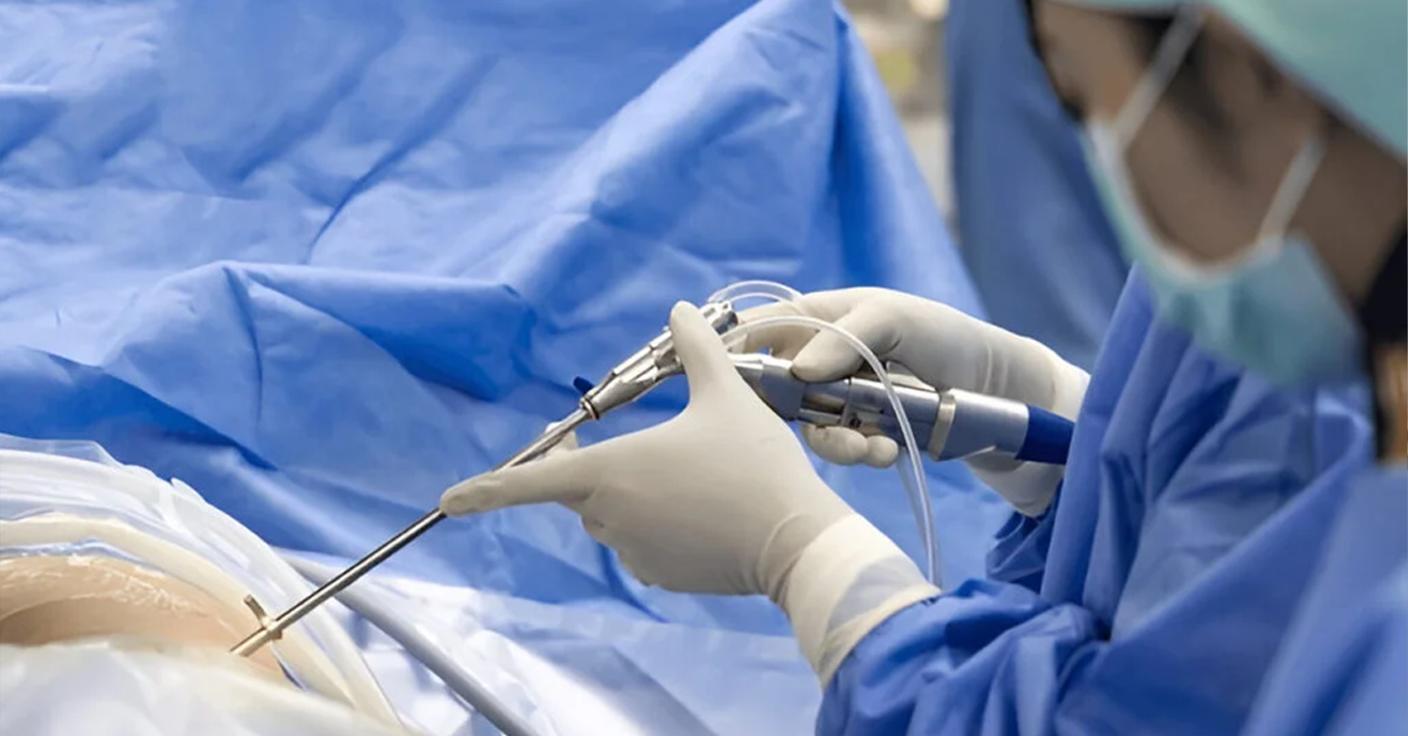
Endoscopic spine surgery uses a thin tube with a camera. That’s the technical explanation. But what it really changes is how much of your body needs to be disturbed to fix one problem. Instead of opening up a large area, surgeons work through a small incision, focusing only on where it matters. You’re not dealing with unnecessary muscle disruption. Recovery, naturally, tends to feel lighter. Not effortless but more manageable.
Why Traditional Spine Surgery Isn’t Always the First Choice Now
There was a time when spine surgery meant preparing for a long recovery. Larger cuts, more healing time, more caution afterwards. Endoscopic methods take a different route. Smaller openings. Less blood loss. Shorter hospital stays. Most importantly, people often find themselves getting back to routine faster than they expected. That shift alone is why this technique is being discussed more often in orthopedic & spine surgery today.
Where Endoscopic Spine Surgery Actually Helps
It’s not a blanket solution. And that’s important to say upfront. But for conditions like herniated discs, nerve compression, spinal stenosis, and certain chronic lower back issues, it fits well, especially in early to moderate stages. In many lumbar spine cases, particularly those involving sciatica, endoscopic procedures are already becoming a preferred approach when clinically appropriate.
Cervical vs Lumbar: Two Very Different Conversations
Cervical Spine Care
The neck is a delicate territory. In some cases, endoscopic decompression can relieve nerve compression without the need for more extensive procedures. But when there’s instability or advanced degeneration, traditional methods like fusion are still necessary.
Lumbar Spine Care
The lower back is where endoscopic techniques have found a stronger foothold. Disc-related issues here respond well, and patients often notice the difference during recovery, less stiffness, more mobility, sooner than expected.
What Patients Usually Notice First
It’s not technology. It’s how they feel afterwards. Less visible scarring. Lower levels of post-operative discomfort. Reduced reliance on strong pain medication. And a quicker return to everyday routines, work, walking, and even sitting comfortably. These are small wins individually, but together, they change the recovery experience.
Why Specialist Experience Still Matters More Than Technology
Even with advanced tools, spine surgery is still about precision around sensitive nerve structures. That doesn’t change. Endoscopic systems offer magnified visuals, which help. But outcomes still depend heavily on the surgeon’s experience and judgement. Some conditions will still require conventional surgery. Knowing when not to use a minimally invasive method is just as important as knowing when to use it.
Understanding Spinal Cord Operation Cost Without Overthinking It
Costs vary. There’s no single number that fits every case. It depends on the complexity of the condition, the technology involved, the surgeon’s expertise, and the duration of recovery support needed. Endoscopic surgery does involve advanced equipment, but shorter hospital stays and faster recovery sometimes balance the overall expense in ways people don’t initially expect.
Choosing the Best Hospital for Spine Surgery in Bangalore
This decision usually comes down to trust, not just infrastructure. You’re looking for a place that has the equipment, yes, but also a team that works together. Diagnosis, surgery, rehabilitation, follow-up. It should feel connected, not fragmented.
How Bangalore Hospitals Approach Spine Care
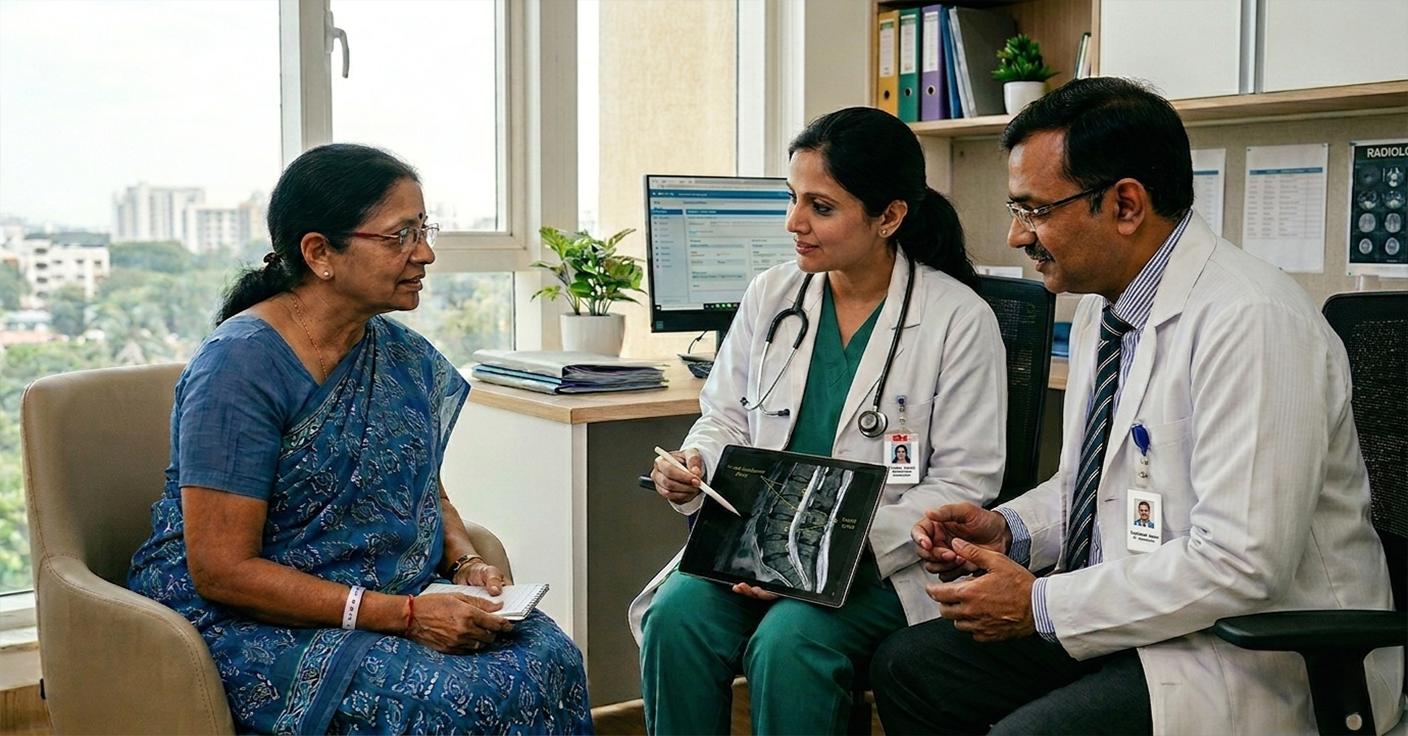
At Bangalore Hospitals, the focus isn’t just on performing the procedure. It’s on what happens before and after. They handle disc-related conditions, nerve compression, and spine injuries using minimally invasive techniques where suitable. What stands out is that the integration of neurorehabilitation, physiotherapy, and structured follow-ups is built into the process rather than added as an afterthought. Patients aren’t left figuring out recovery on their own. There’s a system guiding them through it.
A Quick Look: Traditional vs Endoscopic Spine Surgery
|
Aspect |
Traditional Spine Surgery |
Endoscopic Spine Surgery |
|
Incision Size |
Larger |
Small, targeted |
|
Muscle Impact |
More disruption |
Minimal disruption |
|
Hospital Stay |
Longer |
Usually shorter |
|
Recovery Time |
Extended |
Often quicker |
|
Pain Levels |
Higher post-op discomfort |
Generally lower |
Final Thoughts
Endoscopic spine surgery hasn’t replaced traditional methods, and it shouldn’t. But it has introduced a more measured, less disruptive way of treating specific spinal conditions. For many patients, that difference shows up not in the operating room, but in the weeks that follow. Moving a little easier, sleeping a little better, and getting back to normal without feeling like recovery has taken over their life. With a structured orthopaedic & spine surgery care approach at Bangalore Hospitals, the experience feels less clinical and more guided. And when you’re dealing with something as sensitive as the spine, that kind of clarity matters.
FAQ
Patients with disc herniation, nerve compression, or early degenerative changes may be considered, depending on clinical evaluation.
Many people return to light activity within a few weeks, though full recovery depends on the condition and rehabilitation.
No. More complex conditions like severe instability or advanced degeneration may still require traditional surgical approaches.