

 Book an Appointment

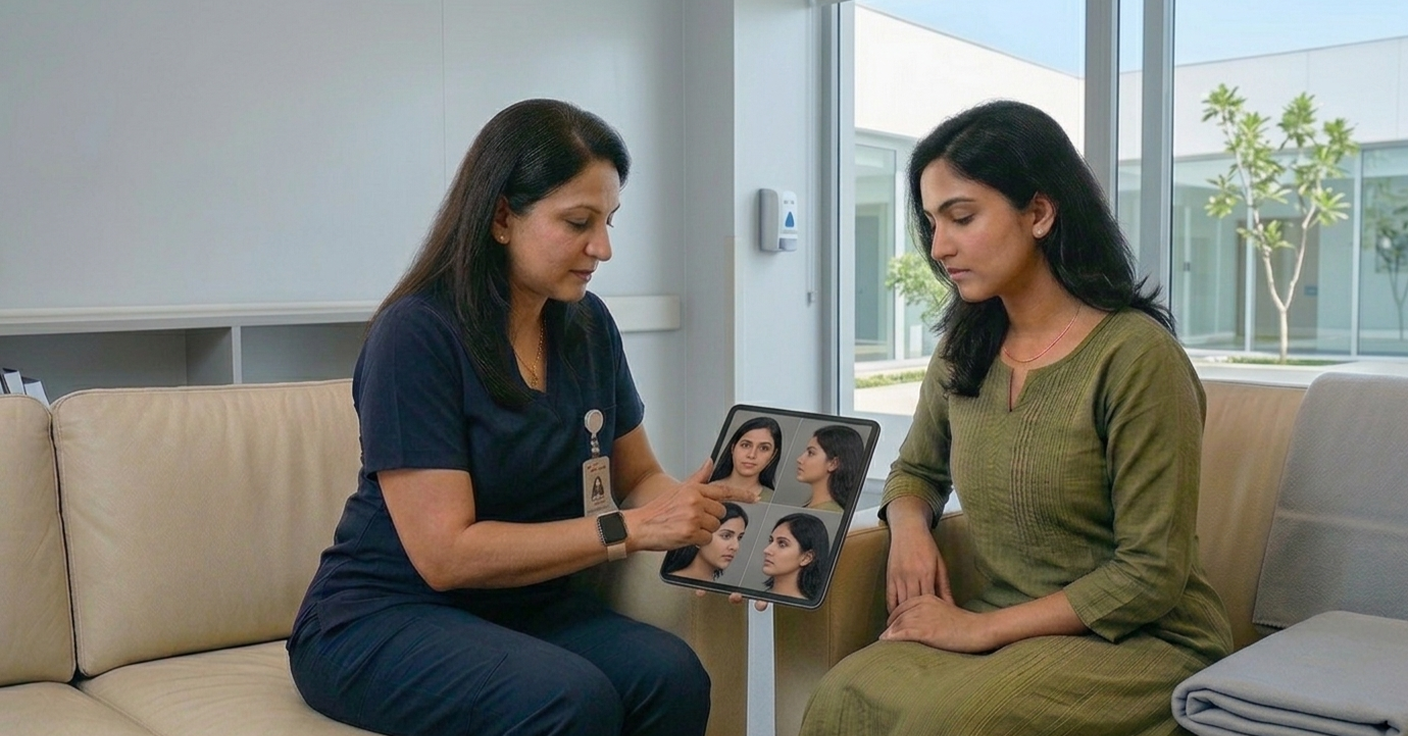
Concerns about safety, recovery time, and whether the results will look natural tend to linger with patients long after the first consultation. In a city like Bangalore, where cosmetic procedures are widely available, the decision is rarely about access. It is about confidence in the process.
We’ve noticed that most patients today are not just asking what procedure is required. They are asking how it will be planned, how precisely it will be performed, and how outcomes will be tracked over time. This is where plastic surgery technology has started to shape decisions in a more grounded way.
At Bangalore Hospitals, these questions are not treated as secondary. They form the basis of how treatment pathways are explained, reviewed, and executed.
Where Plastic Surgery Technology Changes The Process
Technology now sits at every stage of treatment. Consultation, planning, surgery, and recovery are all influenced by digital systems and precision tools.
The shift is subtle. Surgeons still rely on experience, but they no longer rely solely on estimation. Computer-assisted planning, imaging systems, and refined instruments reduce variation. That consistency directly impacts plastic surgery outcomes.
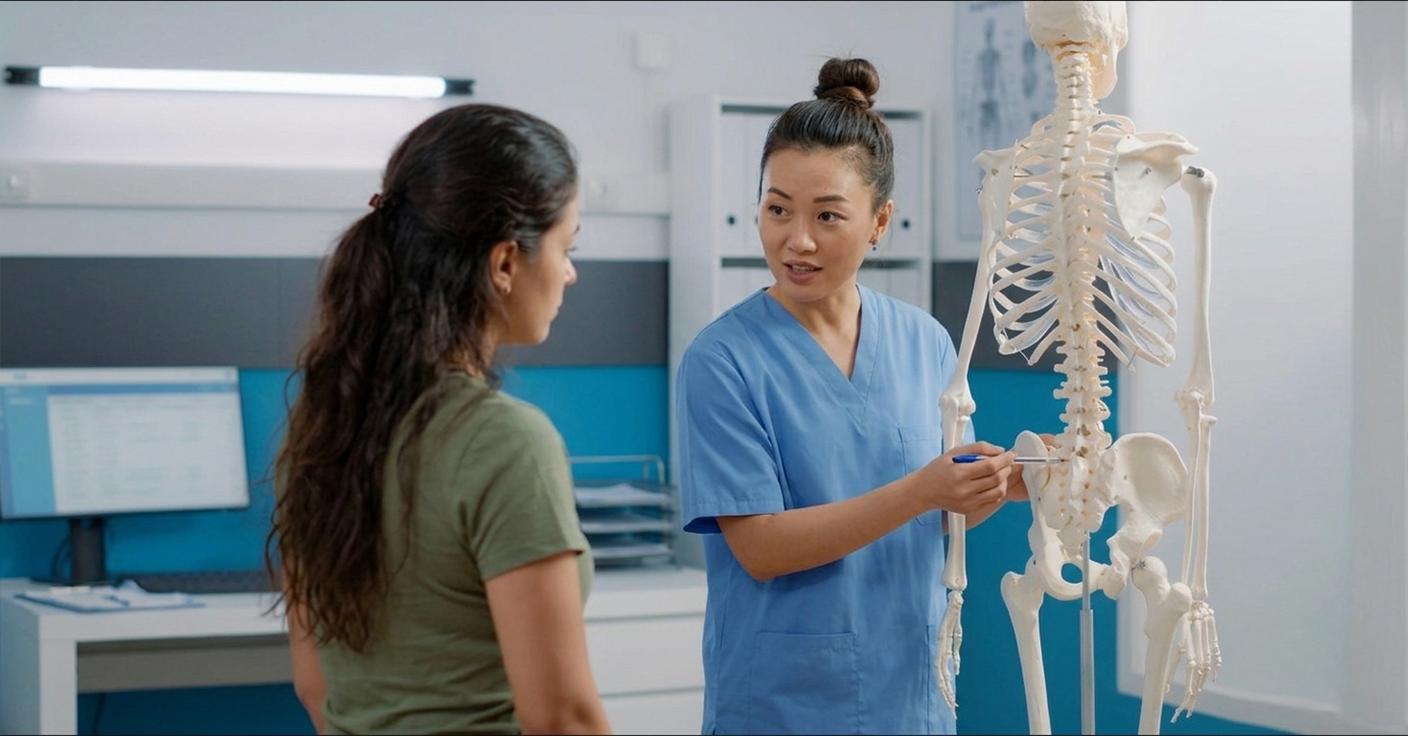
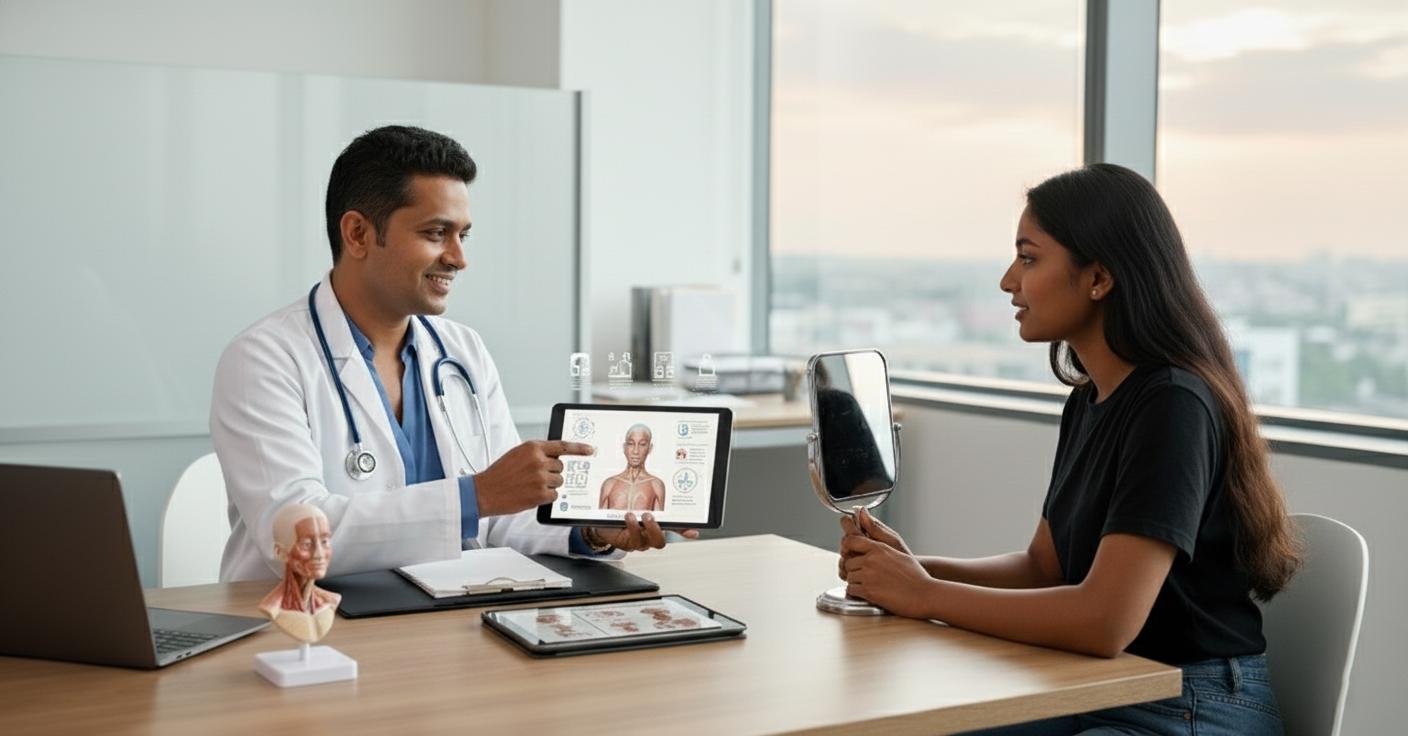
Patients often notice this during consultations. The conversation becomes more specific. Expectations are clearer. There is less ambiguity.
Planning With Greater Accuracy Before Surgery
How Imaging Has Replaced Assumptions
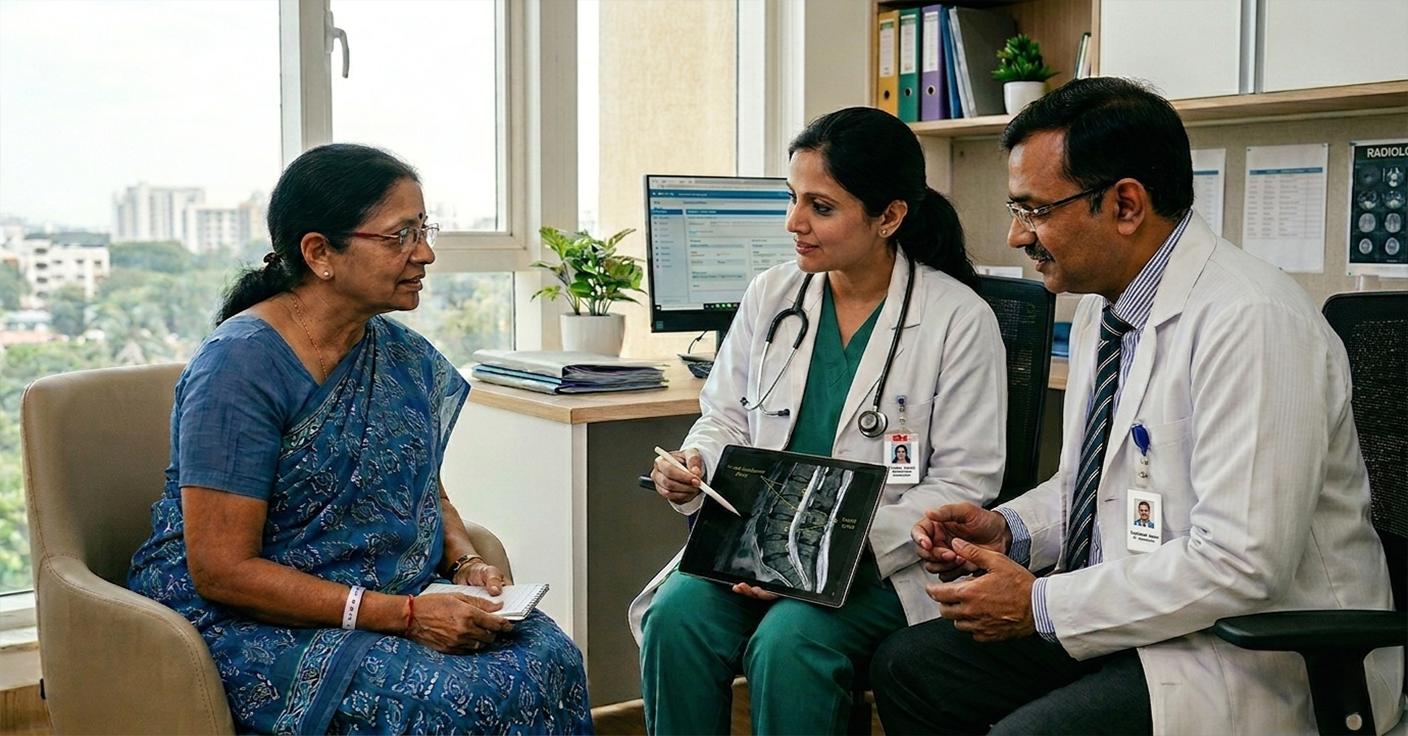
Pre-surgical imaging has altered how procedures are prepared. High-resolution scans and 3D visualisation allow surgeons to examine structural details before making decisions.
Tissue depth can be assessed with more clarity. Anatomical variations are easier to identify. Incision placement can be mapped with intent rather than adjustment during surgery.
This reduces the margin of guesswork. Not entirely, but enough to improve predictability in advanced cosmetic surgery.
The Shift Towards Controlled Interventions
Minimally Invasive Surgery And Its Role
There has been a steady shift toward minimally invasive cosmetic procedures. The approach is straightforward. Reduce disruption, improve recovery.
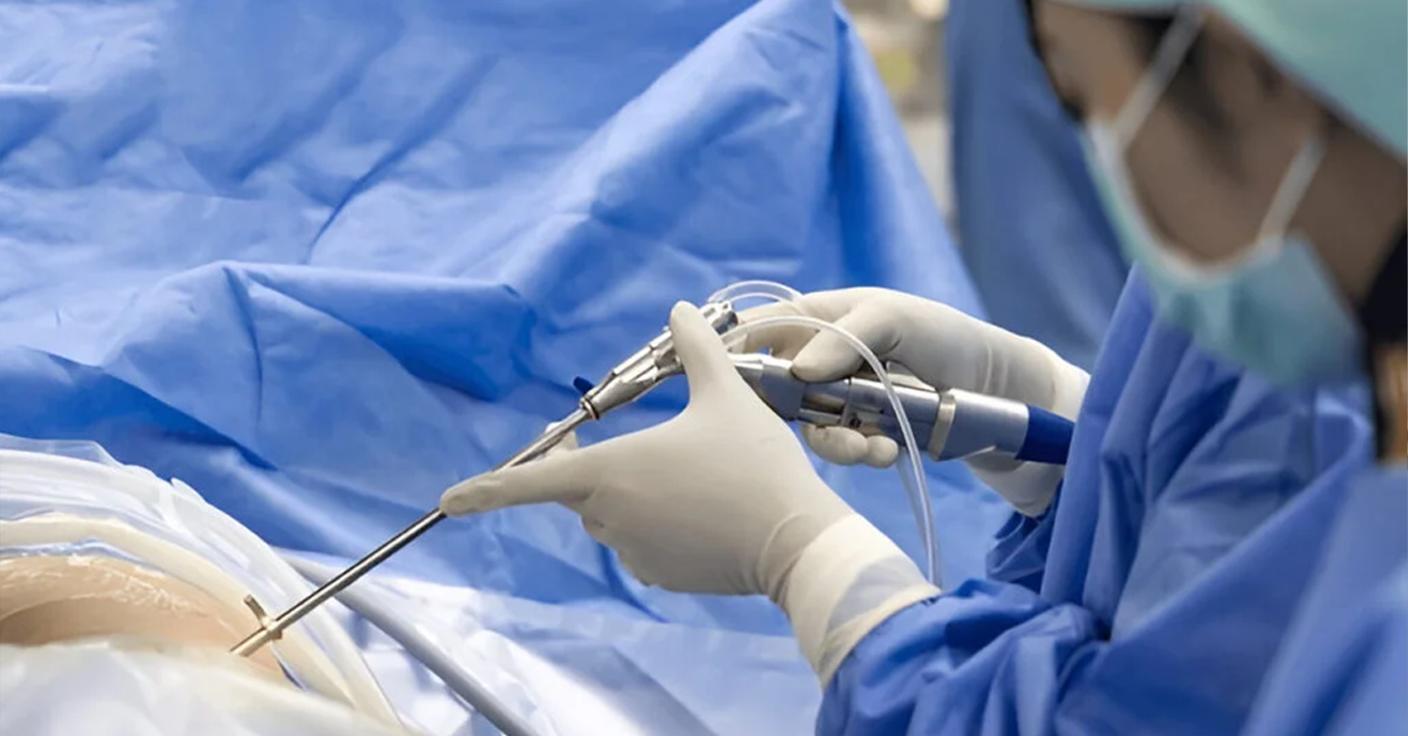
Endoscopic methods, laser-assisted treatments, and small-incision techniques rely on specialised tools and imaging support. These approaches limit visible scarring and shorten recovery timelines in many cases.
They are not universally applicable. Some procedures still require traditional methods. But where suitable, minimally invasive surgery has become an important component of advanced cosmetic surgery.
Surgical Innovations That Refine Outcomes
What Has Quietly Evolved
A large part of progress in cosmetic care comes from surgical innovations that are not immediately visible to patients.
Energy-based systems are now used for skin tightening. Fat grafting techniques have become more controlled. Micro-instrumentation enables more precise changes during procedures. The materials used for implants are now more compatible and last longer.
Robotic-assisted tools are also used in some procedures.
These changes help make the results of plastic surgery more stable. Not big changes, but steady progress in all cases.
Safety Through Modern Surgical Techniques
Where Systems Reduce Risk
The use of modern surgical techniques has strengthened safety practices across cosmetic procedures.
Monitoring systems track patient vitals continuously during surgery. Precision tools reduce unnecessary operating time in certain cases. Sterilisation processes are structured and less dependent on manual variability.
Digital medical records support consistency across departments. When multiple teams are involved, this continuity becomes critical.
Safety, in this context, is not a single protocol. It is a system working without gaps.
Measuring Plastic Surgery Outcomes With More Clarity
Outcome evaluation has moved beyond visual assessment.
Digital photography, software-based analysis, and structured follow-up systems allow surgeons to track symmetry, contour, and healing progression over time. These tools help identify patterns that may not be immediately visible.
Changes to follow-up care become more specific. Planning for the future is easier with recorded data than with memory.
This change has made it easier to measure the outcomes of plastic surgery, even when they aren’t fully quantifiable.
How Bangalore Hospitals Use Technology in Patient Care
Bangalore Hospitals uses technology as part of a structured care pathway instead of on its own.
Imaging and diagnostics are used at the beginning of the consultation phase. There are set rules for planning surgery. When choosing between minimally invasive and endoscopic options, suitability is more important than preference.
Operating rooms are always ready to handle advanced cosmetic surgery procedures. Post-operative monitoring continues through scheduled follow-ups and outpatient care systems.
Rehabilitation is aligned with surgical planning from the beginning. That continuity reduces gaps during recovery.
Recovery In A More Connected System
Digital Support During Healing
Recovery has extended beyond hospital visits.
Teleconsultations allow doctors to assess healing progress without delay. Electronic records maintain continuity across appointments. Patients receive structured guidance through reminders and follow-up systems.
This does not replace an in-person evaluation. But it reduces uncertainty during early recovery, where most patient concerns arise.
Consistency during this phase often influences overall satisfaction more than the procedure itself.
Final Thoughts
Plastic surgery has not become simpler. It has become more structured and more deliberate.
Technology has introduced consistency where variability once existed. It has improved planning, refined execution, and made follow-up more connected. The result is not perfection, but a more predictable pathway.
In Bangalore, where patient expectations continue to evolve, this shift is shaping decision-making.
At Bangalore Hospitals, the focus remains on integrating these systems without overcomplicating care. The aim is steady outcomes, supported by clear processes.
That balance tends to matter more than any single technology.
FAQs
It supports accurate planning, precise execution, and structured monitoring, leading to more consistent plastic surgery outcomes.
No. Minimally invasive surgery depends on the procedure type and individual condition. Not all cases qualify.
Ask about imaging methods, surgical techniques, recovery monitoring, and how outcomes will be evaluated over time.