

 Book an Appointment

Back pain rarely announces itself as serious. It lingers. A little stiffness in the morning, a dull pull after sitting too long. Then one day, it starts interfering with sleep, with work, with how you move through the day. We see this pattern often. And when basic treatments stop helping, the conversation shifts toward surgery.
That’s usually where hesitation begins. Not because surgery is unfamiliar, but because the information around it often feels either too clinical or too vague. Most people aren’t just asking what the procedure is. They want to understand outcomes, risks, and, yes, the cost of spine surgery, especially when considering a spine hospital in Bangalore.
This guide breaks that down without overcomplicating it.
What Does Back Surgery Really Mean and When Is It Considered?
Back surgery isn’t a starting point. It’s typically the last step after medication, physiotherapy, and lifestyle adjustments haven’t delivered relief.
The goal is straightforward: relieve nerve pressure, stabilise the spine, or correct structural issues that won’t resolve on their own.
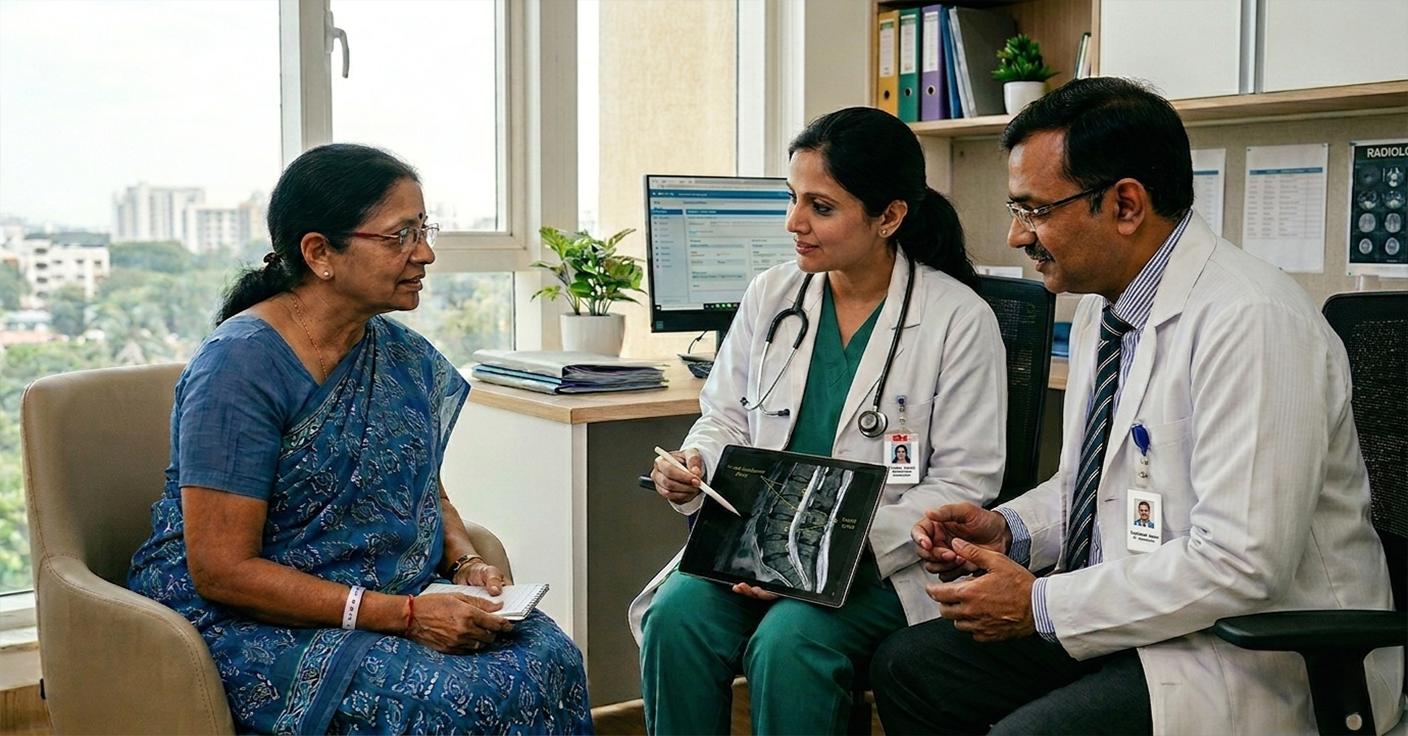
In practice, it’s usually recommended when pain persists for months, mobility declines noticeably, or nerve compression begins to affect strength or sensation. Imaging, like MRI or CT scans, often confirms what the body has already been signalling.
A good specialist doesn’t rush this decision. They rule out every non-surgical path first.
The Surgeries You’ll Hear About Most Often
Microdiscectomy: Small Correction, Noticeable Relief
Often performed in cases of “slipped disc,” this procedure removes the portion of a herniated disc pressing on a nerve. It’s precise. The incision is small, and the surrounding tissues are largely left undisturbed.
Patients dealing with radiating leg pain, classic nerve compression, tend to respond well here. Recovery is relatively quicker, but it still requires discipline post-surgery.
Laminectomy: Making Space Where It’s Missing
This one is more about getting better than fixing things.
The surgeon makes room for the spinal cord and nerves by taking out part of the vertebra called the lamina. People often use it when they have spinal stenosis, which is when the spine narrows and causes constant pain or imbalance.
The change isn’t just for looks. It’s useful, and that’s often the most important thing.
Spinal Fusion: Choosing Stability Over Movement
Spinal fusion connects two or more vertebrae, limiting movement in that segment. Bone grafts and implants help stabilise the structure.
There’s a trade-off. You gain stability but lose some flexibility.
It’s typically advised in cases of instability, degenerative disc disease, fractures, or post-tumour reconstruction. For many, reducing painful movement actually improves overall function.
Cervical Bone Fusion (ACDF): When the Neck Needs Intervention
Cervical spine issues show up differently: neck pain, arm tingling, weakness.
ACDF (Anterior Cervical Discectomy and Fusion) removes the damaged disc and stabilises the area. It’s a widely accepted solution for long-term cervical spine stability, especially when nerve symptoms persist.
Disc Replacement Surgery: Keeping Movement Intact
Here, the damaged disc is replaced with an artificial disc rather than being fused.
The benefit is that clear motion is preserved. But not everyone qualifies. If the spine shows signs of instability, fusion is often the safer choice. Selection matters here more than preference.
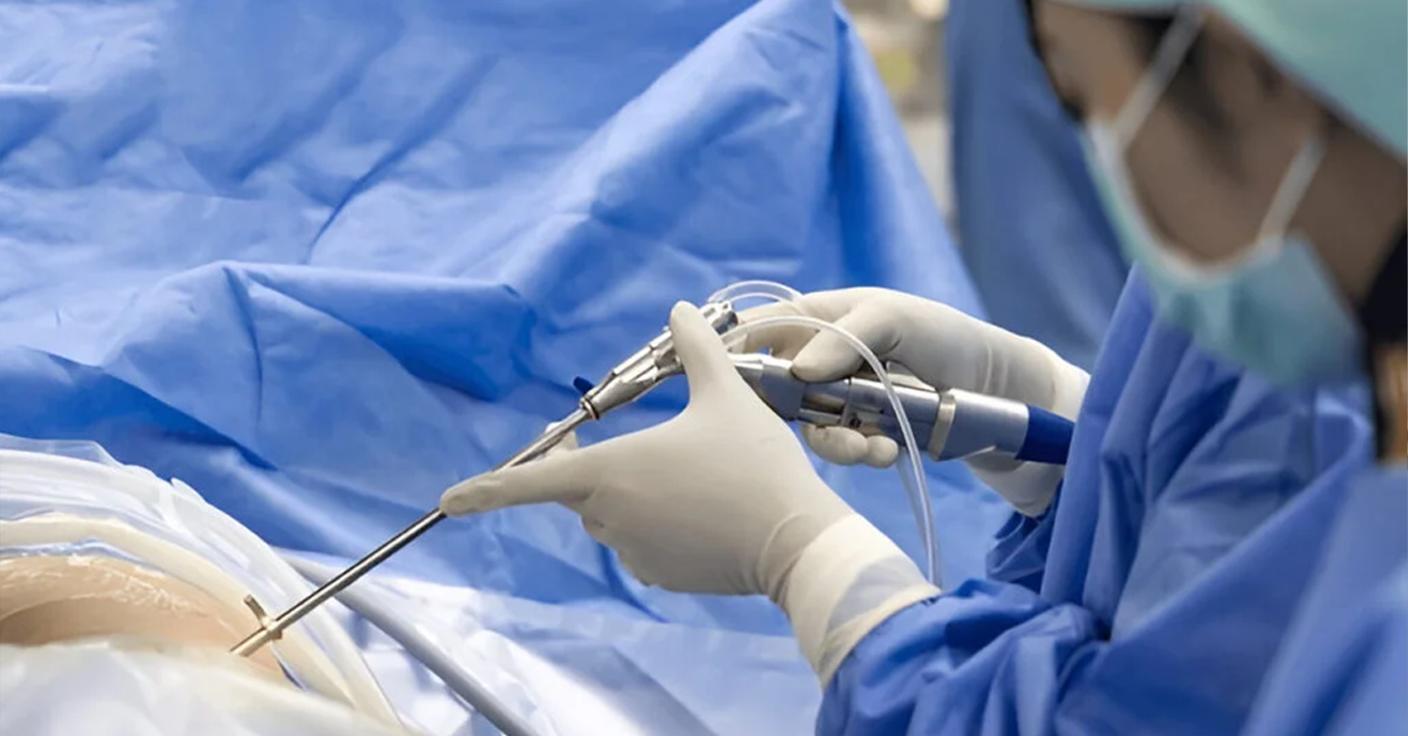
Minimally Invasive Spine Surgery: Less Disruption, Different Recovery
This is where spine care has quietly evolved.
Smaller incisions. Advanced imaging. Minimal muscle disruption.
The outcome? Shorter hospital stays, reduced pain after surgery, and a quicker return to routine life in many cases. When appropriate, it significantly changes the recovery experience.
What Actually Drives Spine Surgery Cost?
There isn’t a fixed number, and that’s where confusion usually starts.
Costs depend on the type of surgery, the duration of the hospital stay, the technology used, and the rehabilitation needs. Infrastructure and specialist expertise also play a role.
In India, procedures are generally more cost-effective than global benchmarks, though there is variation.
One thing worth noting is that cost shouldn’t be viewed in isolation. It’s closely tied to safety protocols, surgical precision, and post-operative care.
How to Pick the Best Orthopaedic Doctor in Bangalore
Credentials are important, but they’re not the whole story.
What usually matters is how much experience the doctor has with the procedure, how consistently the patient does, and how clearly the doctor communicates. When a doctor talks about things instead of just giving you a prescription, it’s easier to make decisions and feel sure about them.
What a Spine Hospital in Bangalore Should Really Have
A good spine hospital does more than just surgery.
Diagnostics, surgery, pain management, and rehabilitation should work together to create a cohesive system. When these parts are in the right place, recovery is usually easier and more predictable.
How Bangalore Hospitals Approach Spine Care
At Bangalore Hospitals, the process is structured to reduce some of the uncertainty patients often feel.
They use minimally invasive and endoscopic techniques where appropriate, treat a wide range of spinal operation conditions, and integrate neurorehabilitation into recovery planning. Emergency spine care is also part of their system, which matters more than people expect.
What stands out is the continuity; patients aren’t left to navigate recovery alone. Follow-ups and therapy are built into the treatment journey.
Not Just Surgery—A Shift in Recovery Experience
|
Aspect |
Traditional Spine Surgery |
Minimally Invasive / Endoscopic |
|
Incision |
Larger |
Small, targeted |
|
Muscle Impact |
Significant |
Minimal |
|
Hospital Stay |
Longer |
Shorter in many cases |
|
Recovery Time |
Extended |
Often faster |
|
Post-op Discomfort |
Higher |
Usually lower |
Final Thoughts
Back surgery isn’t one-size-fits-all. And it shouldn’t be treated that way.
The right approach depends on diagnosis, severity, and what the patient needs long-term, not just what looks advanced on paper. What we’ve consistently seen is this: outcomes improve when patients understand their options clearly and have realistic expectations going in.
With experienced specialists and a coordinated system at Bangalore Hospitals, the process feels less fragmented. More structured. And when you’re dealing with something as critical as your spine, that kind of clarity matters more than anything else.
FAQ
It varies. Minimally invasive procedures may take a few weeks, while fusion surgeries can require several months with physiotherapy.
Disc herniation, spinal stenosis, and nerve compression in the neck, especially when symptoms like arm pain or weakness persist.
Focus on experience in spine procedures, patient outcomes, and how clearly the doctor explains treatment options.