What Is Angioplasty? Procedure, Recovery & Risks Explained

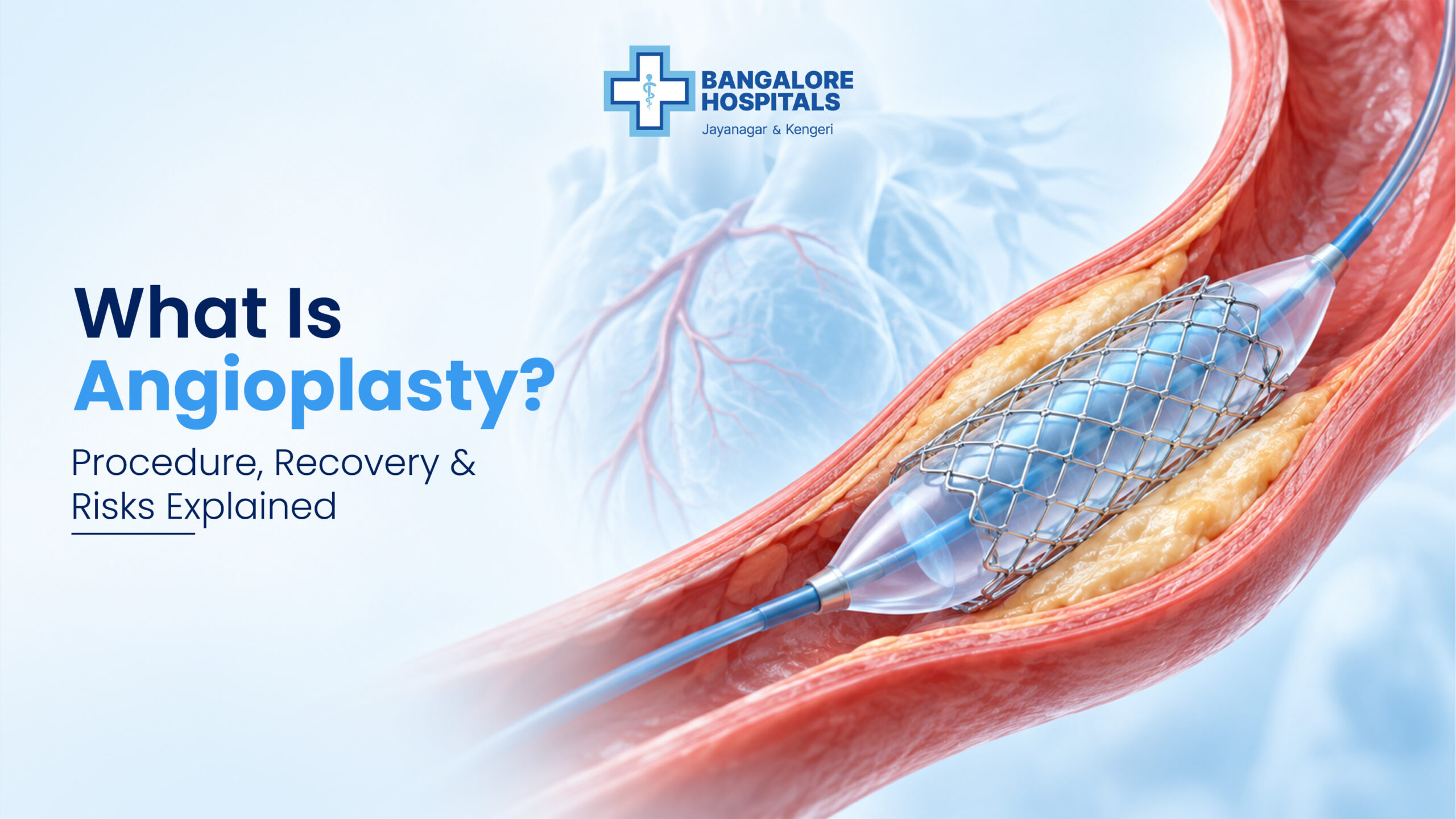
Angioplasty is a minimally invasive procedure that widens arteries blocked by plaque buildup. The main aim is to restore blood flow and prevent further complications. By definition, ‘angio’ means anything related to blood vessels, and ‘plasty’ signifies grafting or reconstruction of any body part. In general, angioplasty widens blocked arteries to save a life.

When patients come to hospitals with severe chest pain and doctors find an arterial blockage that hinders blood flow, doctors perform this procedure to prevent sudden damage to the heart muscle.

What Is Angioplasty and Why Is It Done?

During atherosclerosis, the blood vessels deposit fat and cholesterol that interfere with blood flow and narrow the blood vessels. At that point, cardiologists choose Angioplasty to widen the blocked or narrowed arteries and keep the heart healthy.  In this process, a tiny medical balloon pushes the plaque and broadens the path. Angioplasty is less invasive than other vascular procedures, such as bypass surgery. However, the best option depends on the patient’s current health conditions and complications. 

Types of Angioplasty

Based on the techniques, angioplasty is classified as follows:

  • Balloon Angioplasty: A balloon-tipped catheter pushes plaque against the artery wall to improve blood flow.
  • Stent Placement: A stent may be placed to keep the artery open. Stents can be bare metal or drug-eluting (medication-coated to prevent narrowing again).
  • Coronary vs. Peripheral Angioplasty: Coronary angioplasty treats arteries in the heart, while peripheral angioplasty treats arteries in the neck, legs, arms, or kidneys.

What is an Emergency vs. Planned Angioplasty

Cardiologists perform angioplasty in emergencies where patients come in with sudden chest pain or a heart attack. The process limits heart damage right after or during the heart attack.  

Angioplasty in Emergency Situation

Patients with unstable angina may require emergency angioplasty to relieve the constant chest pain and normalize blood flow. Some emergency conditions are listed below:

  • Severe Blockages in the Arteries:

When fat and cholesterol are deposited in the arteries, they narrow the blood vessels and restrict blood flow. Therefore, restricted blood flow increases chest discomfort, severe pain, and shortness of breath and eventually precipitates heart attacks. During this critical situation, angioplasty is the way to save the heart from further deterioration. 

  • Acute Myocardial Infarction: 

Emergency angioplasty is beneficial for patients suffering from acute myocardial infarction. The procedure helps restore heart muscle function and blood flow and prevents further complications. In an emergency, angioplasty is a life-saving procedure that acts quickly to keep the patient healthy.

Planned Angioplasty

Planned angioplasty is most common for patients with long-term heart complications or poorly managed heart disease, or having some other health issues that affect heart function. Some instances are listed below:

  • Poorly Managed Heart Disease:

Patients with consistent coronary artery disease may experience chest pain, shortness of breath, and sweating. If medications and lifestyle changes are unable to relieve the condition, then angioplasty is the best option to assist the patient in returning to normal life. 

  • Patient with Diabetes:

High blood sugar levels for a long period of time increase the risk of coronary artery disease compared to non-diabetic patients. Diabetes causes multiple cardiac risks that can cause severe heart attacks. In this situation, cardiologists may prefer angioplasty to reduce risk. 

  • Recurrent Blockage after Bypass:

Patients with coronary bypass graft surgery can later develop blockages and be treated with angioplasty. After bypass surgery, if patients develop symptoms like angina due to recurrent blockage, this procedure removes the blockage and restores blood flow. This reduces the risk of another bypass surgery and helps manage the condition.

  • Severe Coronary Artery Disease:

Angioplasty is recommended in patients with heart failure and severely narrowed arteries. In this condition, the heart cannot pump blood properly, which can cause tiredness, fluid buildup, and other serious problems. Angioplasty can also ease heart failure symptoms like swelling and shortness of breath, improving the patient’s quality of life.

  • Non-Responding to Medications:

Angioplasty is suggested when a patient’s condition doesn’t get better with medicines like nitrates, beta-blockers, or statins, and the risk of heart attack or stroke is high. This procedure directly restores normal blood flow.

What is The Angioplasty Procedure – Step by Step

Before starting, you need to prepare mentally to make the procedure succeed. Some common tips before the angioplasty are:

  • Avoid eating and drinking for 8 hours before the procedure; you can only take water and medicines
  • Inform doctors regarding any allergic reactions related to contrast dye or any medication
  • On the day of the procedure, bring some family members to provide moral and mental support 

Angioplasty Procedure

  • For the procedure, you lie on your back. A medical professional uses an IV to administer sedatives, medications that induce relaxation. However, you’ll still be conscious enough to obey directions.
  • Throughout the process, certain monitors will check your vital signs, such as your oxygen levels and pulse.
  • A professional administers local anesthetic to numb the area where a catheter will be inserted. Usually, this occurs in your arm or groin. During the process, you may feel pressure in the area, but you shouldn’t feel any pain.
  • A healthcare professional uses a needle to enter a blood vessel. They insert a sheath into a large artery after sliding it over the needle.
  • They use catheters and wires to reach the targeted artery through the tube.
  • Fluoroscopy is the process by which an X-ray machine revolves around you. It lets the healthcare professional view the catheter’s trajectory from every angle.
  • Once they reach the target artery, your provider injects a special dye into the tube. They examine it through X-rays to see how the dye passes through your artery. You may feel flushed or urinate for a short while.
  • Using the imaging, the doctor can determine whether your artery is blocked or narrowed. They will use a guide wire to get across the trouble spot. This allows the catheter with a balloon tip to cross the wire.
  • They will briefly inflate the balloon once they clear the obstruction. They might have to do this more than once.
  • The doctor will review additional X-rays to assess how much blood flow has improved.
  • After that, doctors often insert a permanent stent. After the balloon is removed, the stent keeps the artery open.

Types of Stents Used

In general, three main types of stents are used in this procedure: Bare-metal stents (BMS), Drug-eluting stents (DES), and Bioabsorbable stents. Stents are selected based on blockage severity, patient age, and current medical conditions. 

  • Bare-Metal Stents (BMS):

These stents are made of stainless steel or cobalt-chrome and provide permanent support to the artery walls. Use of BMS reduces the risk of heart complications but sometimes can cause scarring and lead to future blockages.

  • Drug-Eluting Stents (DES):

As the name suggests, these stents are coated with drugs that prevent scar tissue formation and artery blockage. They also release medication over time to reduce inflammation and improve blood flow. They have more complications than BMS and are used in complex cases where a stent is already in place.

  • Bioabsorbable Stents:

These stents are made of magnesium alloy and dissolve in the body within 2 years. They are not recommended for elderly people with calcium deficiency.

Which one is suitable for you depends completely on your health conditions. Discuss with your cardiologist which stent best helps keep your heart stress-free. Depending on your blood pressure, cholesterol level, and other risk factors, doctors will suggest the best way to prevent future complications. If you have questions about the angioplasty process, connect with Bangalore Hospitals; our modern, well-equipped cardiology departments will assist you further. 

What are the Risks and Complications

The risk of coronary angioplasty includes:

  • Re-occurrence of Blockage:

Sometimes blockages recur a few years after stenting. This is called restenosis, where scar tissue builds up inside the stent or its lining. However, it is rare, as the stent is coated with medicine that prevents this incident.

  • Blood Clotting:

Blood clots may develop inside the stent. A heart attack may result from these clots that block the artery. Medication can reduce blood clot risk to some extent.

  • Bleeding or Infections:

During angioplasty, a catheter is inserted into a blood vessel, typically in the arm or leg. At the insertion site, there could be bleeding, bruising, or infection.

Some other rare complications are:

  • Heart Attack:

Sometimes patients suffer from heart attacks after or during the angioplasty due to severe tissue damage or restriction in blood flow.

  • Coronary Artery Damage:

During coronary angioplasty and stenting, the coronary artery may be torn or ruptured. Some cases may require emergency open-heart surgery.

  • Stroke:

A fragment of fatty plaque may come loose during angioplasty, migrate to the brain, and obstruct blood flow. One very uncommon side effect of coronary angioplasty is a stroke. To reduce the risk, patients take blood thinners throughout treatment.

  • Irregular Heartbeats:

It is a very rare complication of the procedure. Medication or a temporary pacemaker may be required to treat these cardiac rhythm issues.

Patients with diabetes and hypertension are more prone to developing complications compared to others. However, the complications of re-stenosis occur after a few years of stenting and can be treated medically.

What is the Recovery Timeline

After angioplasty, you will need to stay in the hospital for a few hours to overnight for observation and complete recovery. As it is a minimally invasive process, patients can get day-care treatment.  A few hours of observation without complications can result in discharge the same day as the procedure. But if some complications arise, 1-2 days of hospitalization are required to ensure patient safety. Close monitoring of the insertion sites is recommended for any redness, swelling, or bleeding. Contact the cardiologist if you feel fever, chest pain, numbness, fatigue, vomiting, or nausea after the procedure. Gradually, 1 week after the procedure, the patient can return to normal activities with medication and follow-ups. 

What are the Precautions After Angioplasty

Angioplasty restores blood flow and helps keep your heart as healthy as possible. It is not a complete solution for your heart disease. After this procedure, patients must follow certain precautions to prevent further disease progression. Some common precautions after surgery are:

  • Proper Medication:

Patients should take their medicines regularly after angioplasty. In general, some blood thinners and statin medicines are prescribed to prevent blood clotting, manage cholesterol levels, and reduce strain on the heart.  

  • Follow-up:

Proper follow-up with a cardiologist is necessary to assess your heart condition, stent function, and, based on your current health, adjust medications to support your well-being.

  • Heart-healthy Diet:

A healthy diet helps heart patients stay healthy and active. Therefore, a high-fiber diet with less saturated and trans fat and cholesterol is beneficial. Avoid taking excess oil, salt, and sugar in your diet.

  • Active Lifestyle:

An active lifestyle is key to keeping your heart healthy, but after angioplasty, patients should do light walking, running, and mild to moderate exercise. Avoid performing heavy lifting or strenuous exercises. 

  • Limit Smoking & Alcohol:

Smoking and alcohol consumption increase the risk of blockages and narrow the blood vessels that strain the heart muscles. Therefore, limiting these habits can ultimately help your heart work properly. 

  • Manage Stress:

Stress elevates blood pressure levels and increases heart rate. Some relaxation techniques help in managing stress and reduce the risk of heart-related issues. 

  • Monitoring BP & Blood Sugar:

Diabetes and hypertension increase the risk of artery blockages and heart attack many times compared to healthy adults. So keep monitoring your BP and blood glucose level to keep your heart healthy.

What is the Success Rate & Long-Term Outlook

Angioplasty provides immediate relief after the procedure; some patients notice improvement right away. It can reduce chest pain and breathing discomfort and improve energy levels. The stent also reduces the risk of plaque buildup in the same area. 

In the long term, BMS lasts 5-10 years, but it carries a risk of restenosis. DES releases medication that prevents scar tissue deposition and works for 10-15 years or more. With bioabsorbable stents, blockage can occur within 6 months because no stent is used.

However, a study conducted on 136 patients with angioplasty, after one year of continuous follow-ups, recorded that 92.9% of patients developed re-clogging that required repeating the process, and some were ready for bypass surgery. So, it can be beneficial for short-term treatment, but in the long term it may precipitate complications.

What is the Cost of Angioplasty in Bangalore 

The cost varies based on factors like doctor charges, hospital charges, the patient’s condition, the number of stents, and hospital stays. Experienced cardiologists with recognition and strong success rates often charge higher fees than others. In metropolitan cities like Bangalore, super specialty hospitals charge more because they have modern facilities and renowned doctors to handle severe cases. Similarly, ICU and normal bed charges also vary based on the hospital’s brand value and length of stay. In addition, the cost of angioplasty depends on the quality of the stent used. DES stents are more expensive and better at preventing restenosis. Whether patients need one or more stents also affects the procedure cost.  Considering all factors, the cost of angioplasty in Bangalore can range from ₹67,000 to ₹410,000. 

Angioplasty at Bangalore Hospitals

The cardiology department at Bangalore Hospitals includes experienced doctors and modern cath labs equipped to manage a wide range of cardiac problems and deliver high-quality care. We have Dr. C.N. Manjunath, one of Bangalore’s best cardiologists, and his full team provides personalized care and services. We also have Dr. Nischal N Hegde, a young, energetic doctor experienced in modern technologies, who provides quality care for cardiac patients. Dr. Raghu T R brings extensive experience in invasive cardiology, enriching our cardiology department.

We are now one of the best cardiology hospitals in South Bangalore. Our main aim is to develop the best course of action, planned by our skilled cardiologist. The hospital has a modern CT scan machine that can detect heart-related issues at an early stage. Our approach and expertise support a strong success rate for minimally invasive cardiac procedures like angioplasty. We focus on preventing and managing the risk factors to keep you healthy. Our hospitals offer 24/7 emergency cardiac support; reach out if any situation arises.  

FAQs

  1. Is angioplasty a major surgery?

No. Angioplasty is not considered major surgery. It is a minimally invasive procedure in which a small cut is made to insert the catheter.  Cardiologists make a small incision to get a thin tube to the heart, commonly in the wrist or groin. Some patients are discharged the same day, but most return home after 24 hours of observation. 

  1. How long does angioplasty take?

An angioplasty procedure usually takes 30 minutes to 2 hours, depending on the patient’s criticality. However, the whole process, including preparation, procedures, and monitoring, takes one full day, and if the patient’s condition is not stable, then 1-2 days. 

  1. Is angioplasty painful?

Angioplasty is typically not painful. Doctors apply local anesthesia before insertion. However, the patient can feel mild discomfort when the balloon inside the artery is inflated to clear the obstruction. 

  1. How many days of rest are needed after angioplasty?

After a conventional angioplasty, you usually need to rest at home for two to seven days, though the exact duration depends on the reason for the treatment. For the first 24-48 hours after the procedure, rest the arm or leg used to introduce the catheter. Avoid excessive bending, heavy lifting, and strenuous physical activity. 

  1. Can arteries block again after angioplasty (restenosis)?

Yes, restenosis is common after angioplasty. Studies show that 3-6 months after the procedure, the artery may re-narrow, which may require surgery again. However, using DES can reduce this risk, but it is more expensive than other stents.

  1. Is angioplasty safer than bypass surgery?             

Angioplasty is safer than bypass, as angioplasty is a minimally invasive procedure, whereas bypass is an open-heart surgery. Angioplasty can treat multiple blockages in selected patients. However, people with complex or extensive coronary artery disease may benefit more from bypass surgery. The decision depends on the location and complexity of the blockages and the patient’s overall health. 
Angiogram vs. Angioplasty – What’s the Difference?

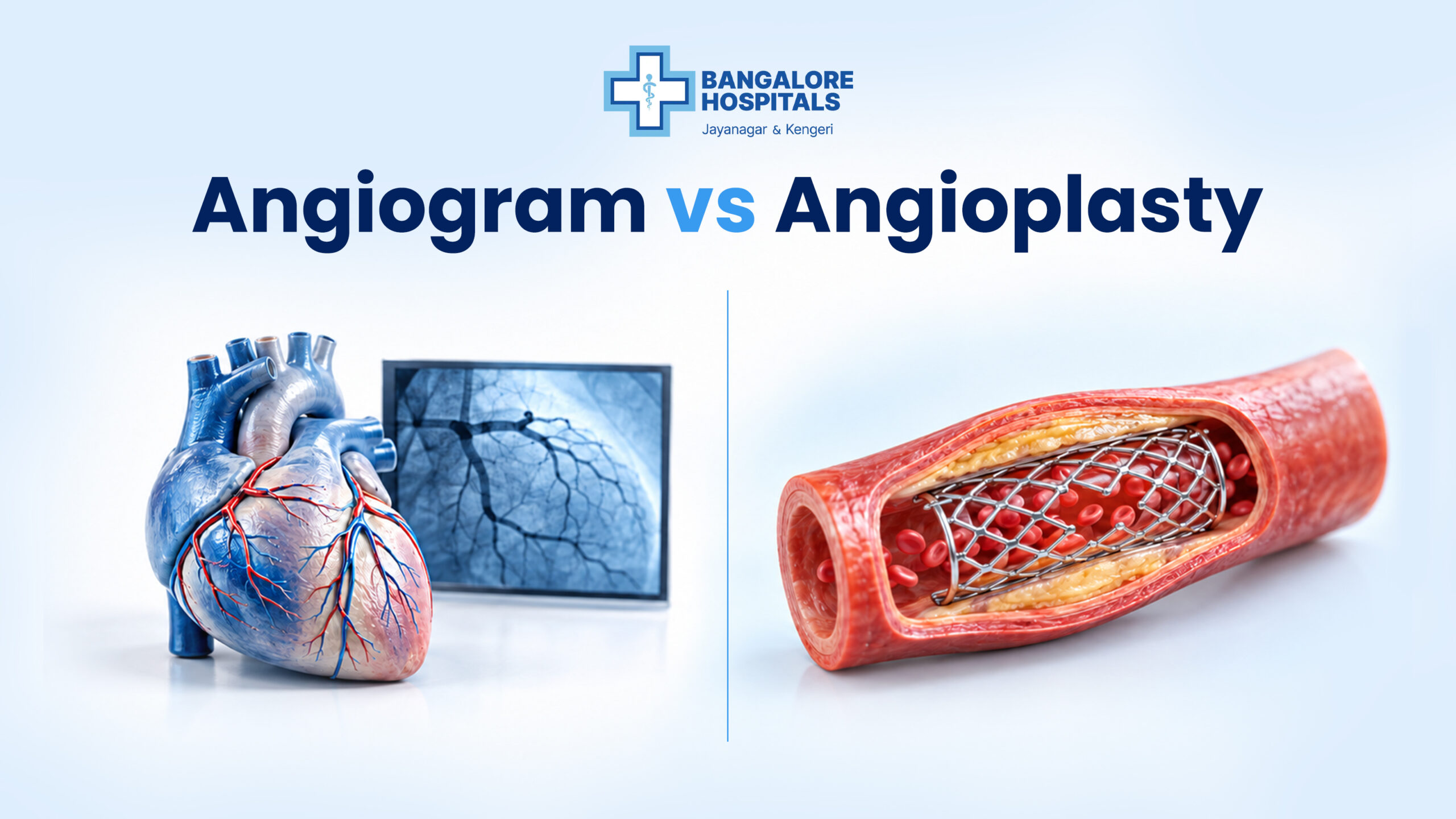
In cardiac-related problems, we often come across two common terms: Angiogram and Angioplasty. Angiograms and angioplasty help diagnose and treat heart blockages. Cardiologists perform these procedures in outpatient settings because they are minimally invasive. Sometimes we complain of chest tightness or sudden pain, and cardiologists perform the test in a catheterization lab. However, as laypeople, we might think these two are the same because the names sound similar, but they are different procedures. 

An angiogram is a diagnostic process that showcases how blood flows through your heart and blood vessels. Angioplasty, by contrast, is a procedure that maintains blood flow in an artery by removing the plaque that obstructs it. Bangalore Hospitals has the best cardiologist and cardiac department to support any emergency or cardiac-related treatments.

What Is an Angiogram?

It is a common test, often described as a heart X-ray, used to see whether the heart’s blood vessels are working properly. An angiogram identifies blockages or narrowing of blood vessels. Doctors use a coronary angiogram to recognize coronary artery disease. A coronary angiogram is part of a group of heart tests known as cardiac catheterization. In this process, one or more thin, flexible catheters are placed within the major blood vessels of the heart and different parts of the body. During this procedure, a small skin incision is required to insert the catheters.  Patients with blockages can undergo angioplasty and stenting to open the blocked arteries.    

In this angiogram procedure, a computerized tomography (CT) machine maps the heart vessels and does not require inserting tubes into the body. This technique is called a Coronary CT Angiogram (CCTA). However, if the test shows a heavy blockage or a narrowed artery, then a catheter-based angiogram is required. 

The main goal of coronary angiography is to identify narrowing or blockages. If treatment is required, angioplasty may be performed during the same catheter-based procedure. In general, two main access points for angioplasty: one is radial (through the wrist), and the second is femoral (through the groin). The choice depends on the patient’s condition and the situation. 

Angiography Process

The patient may feel numbness where the catheter is inserted as the needle accesses the blood vessels. Then, the catheter is placed over the needle into a large artery. The catheter is then cautiously and slowly threaded through the artery until the tip reaches the area of the blood vessel that needs to be examined. A small amount of contrast material (dye) is injected into your blood vessel via the catheter; then X-rays are taken to see where and how well blood is flowing through your blood vessels. Watch where the contrast agent goes on the X-ray monitor. This process could take ten to fifteen minutes. However, if no additional care is needed, you will typically be released in a few hours. 

Complications of Angiogram 

Common complications include bruising and soreness at the catheter insertion sites. Some rare complications patients may face include dizziness, allergies due to the use of dye, breathing difficulties, internal hemorrhage, kidney failure, and stroke. 

What Is an Angioplasty?

It is a minimally invasive procedure that widens narrowed or blocked arteries and improves blood flow.. This is a common treatment for heart diseases like atherosclerosis, where plaque made of fat and cholesterol blocks blood vessels. Through this process, a tiny medical balloon pushes the plaque to create space for blood to flow. It is safe for mild to moderate blockages and is less invasive than bypass. Angioplasty prevents serious complications and deterioration of the heart due to atherosclerosis, improves blood flow, and relieves symptoms.

Types of Angioplasty

Based on which arteries are treated, it can be classified into two categories:

  • Coronary artery angioplasty: Coronary arteries are the blood vessels that bring blood to your heart. Percutaneous coronary intervention (PCI) is another name for this process. When angioplasty is performed to treat a coronary heart blockage, it is known as Coronary artery angioplasty.
  • Peripheral artery angioplasty: Peripheral arteries carry blood away from the heart to areas such as the legs and arms. Peripheral angioplasty is used to treat narrowed or blocked peripheral arteries.

Angioplasty comes in different types, each made to treat a different heart problem. Most people have one of these types:

  • Balloon Angioplasty: This is the most common type of angioplasty. A catheter with a small inflatable balloon is inserted into the clogged arteries to widen them and push the plaque against the artery walls.
  • Stent Placement: A stent is placed in the arteries to keep them from narrowing again. Compared with a stent, traditional angioplasty uses a balloon, while a stent places a small metal tube. 
  • Laser Angioplasty: This high-tech process uses a laser to melt or remove plaque that has built up in the arteries. This method is used when balloon angioplasty or stenting isn’t possible.
  • Megavac Angioplasty: This high-tech treatment removes blood clots in the arteries. It works especially well when there are severe blockages, like when someone has serious coronary artery disease.

Angioplasty Procedure

Before treatment, the doctor explains all details about the angioplasty procedure. The coronary angioplasty procedure is done with local anesthesia and lasts between 30 minutes and two hours. An IV will be placed so that sedatives and fluids can be given. Monitoring devices will also be hooked up to monitor your vital signs and oxygen levels. During the procedure, the doctor will numb the area where the catheter will be placed with local anesthesia. Most often, the wrist or groin is used as the entry point. A fluoroscopy machine will guide the tube into the body.

Once the provider reaches the target artery, they will inflate the balloon on the catheter to widen it. After balloon angioplasty, a stent may be placed to keep the artery open and reduce the likelihood of it narrowing again. After the procedure, the patient will be monitored for a while, depending on how well recovery and healing progress.

Recovery Process 

Most people recover quickly from angioplasty because it is a minimally invasive treatment. But people need to get the right aftercare to stay healthy in the long run. Patients should avoid heavy lifting and driving for a while after getting home. Keep the insertion site clean and dry, and watch for early signs of infection. Eat a heart-healthy, nutrient-rich diet, and limit salt and saturated fat. As your doctor tells you, you can slowly start doing light activities and exercises again. If you want to keep your heart healthy after getting a stent, avoid smoking and follow your doctor’s advice regarding alcohol consumption. 

Complications after Angioplasty

No matter how safe angioplasty is, it still carries risks, just like any other treatment. Heavy bleeding or bruises at the site where the catheter was inserted are common risks. Once the tube is in place, or even inside the treated artery, blood clots can form. An infection at the insertion site is a possible problem that needs close monitoring. Restenosis, or re-narrowing of the treated artery, can occur after angioplasty. Angioplasty can sometimes cause a heart attack or stroke in rare cases.

Angiogram vs Angioplasty: Side-by-Side Comparison Table

Key Features AngiogramAngioplasty
Purpose This process is performed to find visual blockages in the blood vesselsThis procedure is performed to open the blockage and normalize the blood flow 
Invasiveness It is a minimally invasive process Similarly, angioplasty is also  a minimally invasive process 
Duration It takes around 30-60 minutes to complete the process.It takes longer than angiography, around 60-90 minutes or more.
Anesthesia Used local anesthesiaLocal anesthesia with mild sedation is applied 
Hospital StaySame-day release It can take 1-2 days of hospital stay based on the patient’s condition 
Recovery TimeThe patient can recover within a few hours after the processAfter angioplasty, the recovery depends on the patient’s condition and health. Sometimes it takes a few days to weeks for complete recovery
Risk LevelThe process has generally low riskIt can be considered low to moderate risk depending on the patient’s condition 
Cost RangeAngiogram is a diagnostic procedure, so the cost is relatively low It is a minimally invasive procedure that is comparatively costly 

Can Angioplasty Be Done Right After an Angiogram?

In some cases, doctors advise performing angioplasty immediately after angiography to restore blood flow and reduce complications. Some specific conditions where doctors prescribe immediate angioplasty after angiography are listed below:

  • If the angiography shows severe blockages that are restricting blood flow significantly and creating life-threatening conditions. Then the solution is to proceed with angioplasty to prevent complications and delay the risk of heart attacks.
  • Sometimes patients come in with active heart attacks that require immediate angioplasty to save the heart muscle and reduce the risk.
  • Patients with severe chest pain or angina are at high risk of getting heart attacks; for them, angioplasty can be an immediate treatment to restore heart function.
  • In some cases, doctors advise angioplasty for patients who are at high risk of a heart attack.

Risks and Complications Compared

Angiogram and angioplasty are generally considered safe procedures with fewer complications. With us, experienced professionals and a support team reduce the risk of complications. However, some potential complications of both procedures are listed below:

Complications of Angiography

  • Bleeding at Access Site: Some adverse events include a small hematoma at the site of the procedure. It is basically clotted blood outside the artery. A hematoma is considered a serious issue if blood transfusion is required or surgical evacuation is necessary.
  • Vascular Damage: Mild damage can result during catheter insertion of the arterial wall, which is easily treatable or does not create any further complications
  • Allergic Reaction: During this process, contrast dye can trigger an allergic reaction. To avoid this, if the patient has a history of allergies, the doctor may prescribe medication and take precautions.

Complications of Angioplasty:

  • Bleeding: Mild bleeding or bruising can occur at the catheter insertion site. This minor complication can be resolved with proper care and attention.
  • Clotting: In some patients, clotting in blood vessels can interfere with treatment for serious conditions. It can reduce blood flow and worsen the condition.
  • Damaging an Artery: During the procedure, there is a small risk of blood vessel injury from catheter insertion, which is uncommon but can happen.
  • Infection: In rare cases, the insertion site can become infected; proper handling and aftercare significantly reduce the risk.
  • Risk of Stroke: Stroke is a very rare complication of catheter-based procedures, particularly in patients with certain underlying risk factors.

Recovery: What to Expect After Each

Since angiography is a diagnostic procedure, recovery is typically simple and fast. Because angioplasty is a therapeutic technique, it may require longer-term care and closer observation. Understanding these differences helps patients better anticipate each procedure’s results.

Recovery After Angiography

  • Discharge on Same Day: After the process, most patients can return home a few hours later, as long as the doctor confirms there are no issues.
  • Rest Whole Day: To allow the catheter insertion site to heal, patients are recommended to rest and avoid physically demanding activities for at least a day.
  • Avoid Heavy Lifting: For a brief time, avoid heavy lifting and strenuous exercise to minimize bleeding or strain at the insertion site. 

Recovery After Angioplasty

  • Keep Monitoring: If a stent has been implanted or the treatment was done in an emergency, patients may need to stay in the hospital for observation.
  • Prevent Clotting: After coronary stent placement, doctors commonly prescribe antiplatelet medicines to reduce the risk of blood clots forming inside the stent.
  • Lifestyle Changes: Adopting heart-healthy practices, such as eating a balanced diet, exercising regularly, quitting smoking, and controlling conditions like diabetes or high cholesterol, are all part of long-term healing. 

Who Needs Which Procedure? 

When cholesterol-filled plaque builds up in the arteries that bring blood to the heart, it’s called coronary artery disease. The most common type of heart disease, it can be handled by making changes to how you live and taking medicine. Angioplasty, on the other hand, is sometimes needed to open up a blocked or narrowed artery and improve blood flow to the heart. A stent is then placed to keep the artery open.

Unstable angina is a serious condition that needs quick care because it’s often a sign that someone is about to have a heart attack. When you have unstable angina, chest pain comes on over and over again and out of the blue, often while you’re at rest and sometimes even while you sleep. Treatment depends on what’s wrong. To prevent a blood clot from forming in a coronary artery, patients usually take drugs like blood thinners and antiplatelet drugs. Other drugs are used to control the pain. But if a major blockage is suspected, doctors perform a heart catheterization to determine its severity. As we said, doctors do this by inserting a catheter and guiding it to the heart.

Then the doctor can check for coronary artery blockages and see how well the blood is flowing. If the blockage is 70% or more, you will likely receive an angioplasty and stent. For certain heart attacks, especially when an artery is acutely blocked, emergency angioplasty with stent placement may be performed to restore blood flow as quickly as possible. You should go to the emergency room if you think you might be having a heart attack and have severe chest pain, shortness of breath, or pain that spreads to your jaw, neck, shoulder, or arm.

Cost of Angiogram vs Angioplasty in Bangalore 

The Bengaluru CAG rate can change based on several factors. The most important ones are:

  • Type of Hospital: The cost depends on the type of hospital, such as whether it is public, private, or multi-specialty.
  • Coronary Angiography Procedure: Prices for different angiography procedures, such as traditional or CT angiography, change over time.
  • Fees for the cardiologist: The cardiologist’s experience and reputation may affect the cost.
  • Extra Tests and Medicines: If you need more tests, medicines, or advice before or after the treatment, they may add to the total cost.
  • Type of Room: If you need to stay in the hospital, the room type you choose can affect the cost. Sharing a room costs less than renting a private room.
  • Location: Costs can vary widely depending on the hospital’s location. People in desirable districts often ask for higher rates than those in suburbs or less populated areas.

The cost of an angiography in Bangalore can be anywhere from ₹16,000 to ₹37,000. The average cost of a coronary angiography test is about ₹20,500. The price of a cardiac catheterization in Bangalore varies based on several factors, including the type of hospital, the surgeon’s fee, and other factors. 

Angiogram & Angioplasty at Bangalore Hospitals

At Bangalore Hospitals, our best and most experienced heart surgeons can handle even the most difficult cases with ease for people of all ages. The experts know a lot about how to treat heart failure,  coronary artery disease, and chest pain. We offer cutting-edge heart care with fully stocked catheterization labs that allow for successful minimally invasive procedures like angiograms, PTCA, CRT, and TAVI. Our main goal is to focus on risk factors to prevent complications. Because of this, we stress managing existing conditions to lower heart risk. To get the best results, we provide care tailored to each patient’s needs. Our cardiologist and heart surgeon have a lot of experience planning the best care. We have an advanced 640-slice CT scan machine for quick and easy diagnosis of heart-related complications at an early stage.

If you are facing any heart-related issues, choose the best care and keep your heart healthy with our expertise. Dr. Manjunath & Dr. Nischal, with their expert team, manage the entire angiogram and angioplasty process with precision and at a lower cost.

Connect with us for more details and specific information regarding angiography and angioplasty procedures and packages.

FAQs

  1. Is an angiogram painful?

No. It is not painful. Before inserting the catheter, doctors use local anesthesia to numb the insertion site and make the process painless. With Bangalore Hospitals, you will get the most comfortable angiogram process at reasonable prices.

  1. How long does an angioplasty take?

Depending on the patient’s condition and the intensity of the blockage, angioplasty takes about 30 minutes to 2 hours to complete. After that, your recovery process will start at the hospital. Your doctor can tell you more about what to expect during your hospital stay.

  1. Is angioplasty a major surgery?

No. Angioplasty is not considered a major surgery. It is a minimally invasive process in which doctors make a small hole in a blood vessel to get a thin catheter to the heart. This hole is usually in the wrist or the groin.

  1. How soon can I go home after angioplasty?

If the surgery is uncomplicated and the patient is stable, 4-24 hours of hospital observation is usually enough. However, if major complications arise during the process, such as sudden heart attacks, then 2-3 days of hospitalization is required.

  1. Which is riskier – angiogram or angioplasty?

Angiogram, or angiography, is a diagnostic process that detects blockages in the arteries. The main aim is to identify the hindrance in blood flow to keep the heart functioning properly. Angioplasty is a minimally invasive treatment that removes blockages in blood vessels. Between the two, angioplasty is riskier than angiography because it requires more time and effort. Because the doctor works inside a blocked artery with a balloon and places a permanent metal mesh tube called a stent, the risk is higher. Damage to the blood vessel wall, blood clots growing inside the stent, irregular heart rhythms, and, very rarely, a heart attack or stroke are some of the other risks.

  1. Do I need to fast before either procedure?

Generally, 4-8 hours of fasting is preferred before procedures, as it reduces the complications of procedures. Sometimes patients experience vomiting and abdominal cramps during the process. To keep the process smooth and easy, avoid eating or drinking anything before starting the procedure. 

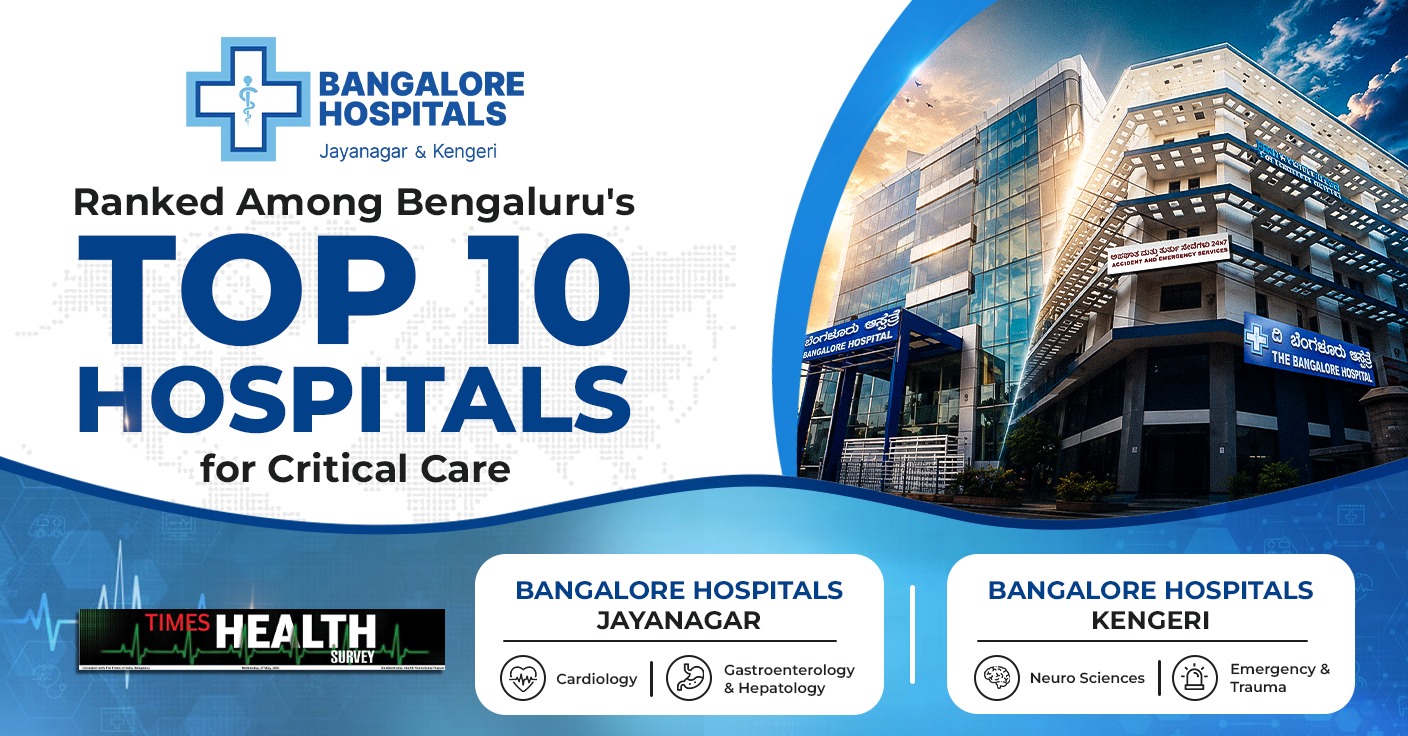
Bangalore Hospitals Ranked Among Bengaluru’s Top 10 Hospitals Across Critical Care Specialities in Times Health Survey 2026

In a city where you can’t move without bumping into hospital signboards, standing out in critical care is no mean feat. Bangalore Hospitals, Jayanagar & Kengeri, have secured Top 10 rankings across 4 critical care specialities in the Times Health Survey 2026 — All India Critical Care Hospital Ranking Survey. 

Across its Jayanagar and Kengeri locations, Bangalore Hospitals has been recognised among Bengaluru’s Top 10 in Cardiology, Emergency & Trauma, Neuro Sciences, and Gastroenterology & Hepatology.

All four honours fall under the Bengaluru Multi-Speciality category, positioning Bangalore Hospitals among the city’s recognised hospitals across key critical care specialities.


Ranked Where It Matters Most

Specialty CategoryRecognised LocationRanking
CardiologyBangalore Hospitals, Jayanagar#6
Emergency & TraumaBangalore Hospitals, Kengeri#7
Neuro SciencesBangalore Hospitals, Kengeri#7
Gastroenterology & HepatologyBangalore Hospitals, Jayanagar#7

Together, these rankings place Bangalore Hospitals among Bengaluru’s Top 10 hospitals across multiple critical care specialities.


These are not routine-care categories. 

  • Cardiology demands quick, precise decisions.
  • Emergency and trauma care depend on timely response and coordinated care.
  • Neurosciences involve rapidly evolving symptoms that leave little room for delay. 
  • Gastroenterology and hepatology often involve complex conditions that require specialist evaluation and continuity of care.

Recognition across all four specialities indicates a hospital presence visible in more than one department and more than one location.


Two Locations, One Critical Care Presence

Bangalore Hospitals’ recognition also highlights its presence in two key areas of Bengaluru.

  • Jayanagar is one of South Bengaluru’s established residential corridors, with long-standing access to healthcare for families in and around the area. 
  • Kengeri is part of Bengaluru’s growing western and south-western belt, where residential communities increasingly need recognised critical care closer to home.

Both locations receiving recognition by speciality in the Times Health Survey 2026 are significant. The rankings are not limited to a single hospital unit or clinical department. They are visible across Jayanagar and Kengeri, and across four critical care specialities.

For patients and families, that matters. In an emergency, people often choose based on proximity, trust, and the ability to access the right speciality without delay. Recognition across both locations gives Bangalore Hospitals a stronger place in Bengaluru’s healthcare map.


Beyond Rankings: What This Means for Patients

Rankings alone cannot capture every patient experience. They also cannot replace medical judgment. But in moments of crisis, chest pain, a road accident, a sudden neurological symptom, or a complex digestive or liver-related condition, people are not browsing endlessly. They are searching for a name they can trust, fast.

In those moments, recognition from the Times Health Survey 2026 serves as a credible public reference point.

The survey positions Bangalore Hospitals among Bengaluru’s Top 10 hospitals in four critical care specialities, not just one. That is the important part. It reflects broader recognition across clinical areas that often demand timely diagnosis, specialist attention, and coordinated care.

Healthcare is rarely experienced as a neat sequence of departments. Patients experience it as a journey: arrival, assessment, diagnosis, consultation, treatment decisions, family communication, discharge, and follow-up. Every step shapes confidence.

That is why multi-speciality recognition carries weight. It signals that Bangalore Hospitals has been recognised across a broader spectrum of critical care within Bengaluru’s healthcare landscape.


A Responsibility as Much as an Honour

As Bengaluru grows, expectations from healthcare providers continue to rise. Patients look for timely access, clear communication, and dependable care when medical situations become urgent.

The Times Health Survey 2026 rankings acknowledge Bangalore Hospitals’ role in this evolving city as a recognised critical care provider across Jayanagar and Kengeri. For the teams at Bangalore Hospitals, the recognition is not only a milestone. It is also a responsibility to keep strengthening preparedness, response, and patient-centred care.

Bangalore Hospitals remains committed to one simple promise: when every minute counts, patients and families can count on us.

How to Choose the Right Spine Surgeon in Bangalore

Spine-related conditions can significantly impact mobility, comfort, and quality of life. Whether it involves chronic pain, nerve compression, or complex spinal disorders, choosing the right specialist is a critical decision. In a city like Bangalore, where advanced medical care is widely available, patients often face the challenge of identifying the best orthopaedic doctor in Bangalore for spine care. 


The right surgeon combines clinical expertise, advanced technology, and a structured care approach to ensure accurate diagnosis and effective treatment. Selecting a trusted spine hospital in Bangalore also plays a vital role, as comprehensive infrastructure and post-operative rehabilitation directly influence outcomes. Let’s understand what to look for in a spine surgeon before undergoing spine operations or planning surgical intervention.


How to Choose the Right Spine Surgeon in Bangalore: Key Factors to Consider

Choosing the right spine surgeon is a critical decision that directly impacts treatment outcomes and recovery. Here are the key factors patients should evaluate before proceeding with spine surgery:


1. Surgeon’s Expertise and Experience

An experienced spine surgeon is better equipped to diagnose complex spinal conditions and recommend the most effective treatment—surgical or non-surgical—based on your specific needs.


2. Advanced Technology and Surgical Precision

Hospitals with modern imaging, minimally invasive techniques, and precision-guided tools enable safer surgeries, reduced complications, and faster recovery.


3. Accurate and Comprehensive Diagnostics

Access to advanced diagnostics such as MRI, CT scans, and nerve studies ensures the treatment plan is based on precise clinical evaluation, not assumptions.


4. Multidisciplinary Spine Care Approach

A coordinated team of spine surgeons, neurologists, pain specialists, and physiotherapists ensures holistic care from diagnosis through rehabilitation.


5. Personalised Treatment and Recovery Support

High-quality spine programs focus on customised treatment plans and structured post-surgery rehabilitation, supporting long-term mobility and recovery.

Evaluating these factors helps patients make informed decisions and choose a spine care centre that offers not just surgical expertise, but complete end-to-end support.


Advanced Spine Surgery Care at Bangalore Hospitals

At Bangalore Hospitals, the Spine Surgery Bangalore department delivers advanced, compassionate care for patients with spinal disorders. The centre is led by internationally trained experts who combine clinical excellence with cutting-edge technology to provide comprehensive spine care.


The department performs a full spectrum of procedures, ranging from minimally invasive day-care surgeries to complex spinal reconstructions. The facility is equipped with advanced diagnostic and surgical tools, including BrainLab® Navigation for sub-millimetric precision, intraoperative CT for implant verification, and 3T Tesla MRI for high-resolution imaging. 


Additional infrastructure includes 640-slice CT scanners, long-length digital X-rays for alignment assessment, DEXA scans for bone density analysis, and a dedicated gait analysis lab to track post-surgical recovery. Endoscopic spine systems enable scarless, day-care surgeries under local anaesthesia.


Scope of Spine Surgery Services at Bangalore Hospitals


Specialised Spine Services


  • Minimally Invasive Spine Surgery Bangalore (MISS): Reduces incision size, blood loss, and hospital stay

  • Endoscopic Spine Surgery Bangalore: Ultra-minimally invasive keyhole procedures

  • BrainLab® Navigation-Assisted Surgery: Image-guided precision during complex surgeries

  • Complex Deformity Correction: Advanced treatment for scoliosis, kyphosis, and sagittal imbalance

  • Spinal Tumour Management: Multidisciplinary resection and stabilisation

  • Spine Trauma Care Bangalore: Emergency stabilisation following accidents or falls

  • Revision Spine Surgery: Correction of failed back surgeries

  • Chronic Pain Management Bangalore: Non-surgical pain relief through spinal injections and nerve blocks

  • Tuberculosis and Spinal Infections: Advanced diagnosis and surgical debridement

  • Comprehensive Neurorehabilitation: Physiotherapy, occupational therapy, and gait training


Key Procedures Performed


Minimally Invasive & Endoscopic Procedures

  • Microdiscectomy

  • Endoscopic Lumbar and Cervical Discectomy

  • MISS TLIF and PLIF


Cervical Spine Surgeries


  • Anterior Cervical Discectomy and Fusion (ACDF)

  • Posterior Cervical Decompression and Fusion

  • Cervical Artificial Disc Replacement


Lumbar and Thoracic Procedures


  • Lumbar Decompression

  • Lumbar and Thoracic Fusion

  • Kyphoplasty and Vertebroplasty


Deformity and Complex Spine Surgery


  • Adult Spinal Deformity Correction

  • Pedicle Subtraction Osteotomy

  • Revision Spine Surgery


Trauma and Tumour Management


  • Instrumented Fixation for Spine Trauma

  • En bloc Tumour Resection

  • Surgical management of spinal infections


Step-by-Step Care Process at Bangalore Hospitals


Consultation and Diagnosis

Each patient begins with a detailed evaluation, including physical examination and advanced imaging, to accurately diagnose the spinal condition.


Customised Treatment Plan

A personalised plan is developed, which may include conservative care, minimally invasive surgery, or complex spine surgery based on individual needs.


Surgical Intervention

Procedures are performed by experienced surgeons using advanced technology to ensure precision, safety, and effectiveness.


Postoperative Care and Rehabilitation

Post-surgery, a structured rehabilitation program is implemented, including physiotherapy and regular follow-ups to monitor recovery and functional improvement.


Conclusion

Choosing the right spine surgeon is a decision that directly affects recovery, mobility, and long-term quality of life. At Bangalore Hospitals, patients benefit from expert-led care, advanced surgical technology, and a comprehensive treatment approach tailored to individual needs. From diagnosis to rehabilitation, every stage of spine care is supported by precision, planning, and clinical excellence. 


Whether evaluating options for cervical surgeons, understanding spine surgery cost, or selecting the best hospital for spine surgery in Bangalore, informed decision-making ensures better outcomes. With a structured care pathway and multidisciplinary expertise, Bangalore Hospitals remains a trusted destination for advanced spine surgery and rehabilitation.


FAQs


1. How do I choose the best orthopaedic doctor in Bangalore for spine surgery?
Look for experienced specialists supported by advanced diagnostic tools, surgical technology, and a structured care process.


2. What types of spine operations are performed at Bangalore Hospitals?
Procedures range from minimally invasive and endoscopic surgeries to complex deformity correction, trauma care, and tumour management.


3. Are minimally invasive spine surgeries available in Bangalore?
Yes, Bangalore Hospitals offers minimally invasive and endoscopic spine surgery options to reduce recovery time and hospital stay.

How to know when it’s time to visit a cardiologist

Most people associate heart problems with sudden emergencies, yet cardiac conditions often develop quietly over time. Occasional fatigue, mild chest discomfort, or shortness of breath are frequently dismissed as stress or ageing. However, these can be early indicators of underlying cardiovascular issues. Knowing when to consult a cardiologist can make a measurable difference to long-term heart health and quality of life.

At Bangalore Hospitals, the focus of cardiac care is on early diagnosis, thorough evaluation, and structured treatment planning. It’s important to understand that knowing when to seek help from a cardiologist isn’t about overreacting to minor symptoms; rather, it’s about responding wisely to consistent or worsening signs that call for professional attention.


Why Cardiac Health Should Never Be Ignored

The heart works continuously, adapting to physical activity, stress, and metabolic demands. Even minor disruptions in its function can have widespread effects on circulation and organ health. Consulting a qualified doctor of heart specialist allows potential problems to be identified before they progress into serious conditions.

Bangalore Hospitals provides structured cardiology services designed to manage both preventive care and complex cardiac conditions under one integrated clinical framework.


Early Warning Signs That Require a Cardiologist’s Attention

Certain symptoms should never be ignored, especially when they appear repeatedly or increase in intensity. A consultation with a cardiovascular doctor is recommended if you experience:

  • Persistent chest pain or pressure

  • Shortness of breath during routine activities

  • Unexplained fatigue or weakness

  • Palpitations or irregular heartbeat

  • Dizziness or fainting

These signs may indicate coronary artery disease, rhythm disturbances, or early heart failure and should be evaluated by a heart specialist without delay.


Chronic Conditions That Need Ongoing Cardiac Care

Individuals diagnosed with diabetes, hypertension, high cholesterol, or obesity are at a higher risk of developing heart disease. Regular follow-ups with a cardiologist help monitor cardiac performance and prevent complications.

At Bangalore Hospitals, cardiology care is structured to support long-term management plans rather than one-time consultations, ensuring continuity and consistency in treatment.


When Lifestyle Risks Make a Visit Essential

Passive habits, smoking, excessive alcohol consumption, and prolonged stress significantly increase cardiac risk. Even in the absence of symptoms, consulting the best heart specialist can help assess cardiovascular risk and guide preventive strategies.

A timely evaluation by the best heart doctor is particularly important for individuals with a family history of heart disease.


What a Cardiologist Evaluation Typically Involves

A cardiology consultation at Bangalore Hospitals generally includes:

  • Detailed medical history assessment

  • Physical examination

  • Diagnostic tests such as an ECG or echocardiography

  • Risk profiling and treatment planning

This systematic approach ensures accurate diagnosis and personalised care from an experienced cardiologist.


Why Choosing the Right Cardiac Health Care Centre Matters

Having access to comprehensive cardiac services all in one place leads to improved patient outcomes. Bangalore Hospitals is recognised as one of the best heart care facilities in Bangalore, with renowned doctors such as Dr C.N. Manjunath, Dr Raghu T.R., and Dr Nischal N. Hegde. With state-of-the-art diagnostics, exceptional clinical expertise, and multidisciplinary support, patients receive top-notch care.


Common Heart Conditions Managed by Specialists

A congestive heart failure specialist and cardiology team typically manage conditions such as:

  • Coronary artery disease

  • Heart rhythm disorders

  • Heart valve abnormalities

  • Congestive heart failure

  • Hypertensive heart disease

Early specialist intervention significantly improves symptom control and long-term prognosis.


Cardiac Symptoms and Recommended Action

Symptom

Recommended Action

Chest discomfort

Immediate cardiologist consultation

Breathlessness

Cardiac evaluation advised

Irregular heartbeat

Diagnostic testing required

Swelling in the legs

Assessment for heart failure

Fatigue without cause

Cardiology review recommended


Conclusion

Knowing when to visit a cardiologist is an essential part of responsible health management. Delaying evaluation can allow manageable conditions to progress into complex cardiac issues. At Bangalore Hospital, cardiology care is designed around early detection, clinical accuracy, and patient-centred treatment.

Choosing the best heart doctor and a well-equipped cardiac health care centre ensures that symptoms are addressed promptly and risks are minimised. Just as strategic planning supports long-term success in industries such as energy infrastructure, proactive cardiac care safeguards long-term heart health. Deciding to consult a heart specialist at the right time is a decisive step toward sustained well-being.


FAQ


1. When should I consult a cardiologist for the first time?
If you experience recurring chest pain, breathlessness, or have risk factors like hypertension or diabetes, an early consultation with a cardiologist is recommended.


2. Do I need symptoms to visit a heart specialist?
No. Preventive consultations are advisable, especially for individuals with a family history of heart disease.


3. Why is Bangalore Hospitals considered a leading heart care centre?
Bangalore Hospitals offers integrated cardiology services with experienced specialists, advanced diagnostics, and structured care protocols.

What to know before choosing a plastic surgeon in Bangalore

Selecting a plastic surgeon is a decision that extends beyond mere aesthetic considerations. For numerous patients, plastic surgery plays a critical role in addressing functional recovery, rectifying trauma, correcting congenital conditions, or revising scars, all of which can significantly influence daily life. In a metropolitan area such as Bangalore, where advanced medical facilities coexist with varying healthcare standards, it is imperative to make an informed decision.


Selecting the right plastic surgery hospital ensures not only desired outcomes but also patient safety, ethical medical practices, and comprehensive care. Bangalore Hospitals, through its specialised Plastic, Reconstructive & Aesthetic Surgery department, emphasises structured clinical evaluation, medically guided procedures, and hospital-based expertise. Understanding what to look for before proceeding helps patients align their expectations with outcomes and choose care that is reliable, transparent, and medically sound.


Why Hospital Infrastructure Matters

One of the most critical aspects when selecting the best plastic surgery hospital in Bangalore is access to comprehensive infrastructure. A full-service hospital setting allows multidisciplinary collaboration, advanced diagnostic support, sterile operating theatres, and intensive post-operative care if required.


Bangalore Hospitals provides an integrated hospital environment where plastic surgeons work alongside anaesthesiology, critical care, and rehabilitation teams. This approach significantly enhances patient safety, particularly in reconstructive and scar-plastic surgery cases that may require extended monitoring or staged interventions.


Evaluating Surgeon Expertise and Credentials

Choosing the best nose plastic surgeon or any specialist requires careful assessment of training, clinical exposure, and hospital affiliation. Surgeons practising within a reputed hospital system follow standardised protocols, ethical guidelines, and evidence-based practices.


Bangalore Hospitals proudly features a specialised department dedicated to Plastic, Reconstructive, and Aesthetic Surgery, blending expert medical skills with robust institutional support. Some of the best plastic surgeons in the business work in the department. These include Dr. Lahari Surapaneni, Dr. Somashekar Gejje, and Dr. V. Manjunath.


All plastic surgery at Bangalore Hospitals is performed by highly trained specialists who have extensive experience in reconstructive, aesthetic, and corrective procedures. Surgeons at the hospital must follow clinical governance standards to ensure patients always receive the same care, have clear treatment plans, and give informed consent.


There are many different types of plastic surgery procedures.

A good plastic surgery hospital will offer a wide range of procedures. Here are some things that plastic surgery at Bangalore Hospitals can do:

  • Reconstructive surgery for injuries and problems that happen after surgery

  • Plastic surgery to improve the look and function of scars

  • Aesthetic procedures done with the help of a doctor

  • Ways to fix problems that are present at birth or that develop later in life

Patients can get diagnosis, treatment, and follow-up care all in one place thanks to this wide range of services. They don’t have to go to different places for each service.


Why is it important to provide ethical and patient-centred care

Medical suitability should always be the main factor in deciding whether or not to have plastic surgery, not trends or outside pressure. Quality care includes ethical counselling, setting realistic expectations, and a thorough pre-operative evaluation.


Bangalore Hospitals places great emphasis on educating patients about procedures, including their limitations, recovery times, and potential risks. This method ensures patients make informed choices rather than going through with surgery without fully understanding why they need it or having a good reason for it.


Rules for safety and help after surgery

Safety is not up for debate when choosing a hospital for plastic surgery. Hospital systems have safety measures that stand-alone facilities may not, such as pre-anaesthesia evaluations, infection control measures, and structured recovery plans.


Bangalore Hospitals takes care of wounds, assesses scars, and makes follow-up appointments to monitor healing and post-surgical outcomes. Long-term monitoring has a direct impact on the outcomes of reconstructive and scar-plastic surgery, making this type of care very important.


Bangalore Hospitals places a lot of emphasis on educating patients about their procedures, including what they can’t do, how long it will take to recover, and the risks. This method ensures that patients make choices based on facts rather than proceeding with surgery without fully understanding why they need it.


Post-Surgery Support and Safety Rules

When picking a hospital for plastic surgery, safety is a must. Hospital systems offer protections that standalone facilities may not have, such as pre-anaesthetic evaluations, infection control measures, and structured recovery protocols.


Post-surgical care at Bangalore Hospitals includes wound management, scar assessment, and follow-up consultations to monitor healing and outcomes. Such continuity of care is particularly vital in reconstructive and scar-plastic surgery cases, where long-term monitoring directly impacts outcomes.


Choosing the Right Plastic Surgery Hospital in Bangalore

When evaluating the best plastic surgery hospital in Bangalore, patients should prioritise hospital-based departments with documented clinical expertise. A hospital setting ensures access to emergency care, diagnostic services, and multidisciplinary consultation when required. This structured environment distinguishes comprehensive care from purely commercial cosmetic offerings.


Conclusion

Choosing a plastic surgeon in Bangalore requires thoughtful evaluation of medical expertise, hospital infrastructure, and ethical standards. Plastic surgery is not merely a cosmetic choice but a specialised medical discipline that impacts both physical function and quality of life. 

Bangalore Hospitals, through its Plastic, Reconstructive & Aesthetic Surgery department, provides hospital-based care focused on safety, clinical precision, and patient well-being. By selecting a trusted plastic surgery hospital with experienced specialists, patients benefit from comprehensive evaluation, transparent counselling, and reliable outcomes. 

An informed decision today ensures safer procedures, better recovery, and confidence in long-term results


FAQ


1. How do I identify the best plastic surgery hospital in Bangalore?
Look for a hospital-based plastic surgery department with multidisciplinary support, ethical practices, and experienced specialists, such as Bangalore Hospitals.

2. Is scar plastic surgery considered a medical procedure?
Yes. Scar plastic surgery is often medically indicated to improve function, mobility, or healing and should be performed in a hospital setting.

3. Why should plastic surgery be done in a hospital rather than a clinic?
Hospitals provide comprehensive infrastructure, emergency support, and post-operative care that enhance safety and outcomes.


How To Choose The Right Hospital For Complex Surgeries In Bangalore

When a doctor brings up the need for major surgery, the conversation rarely ends in the clinic. It carries forward into family discussions, second-guesses, and a steady search for clarity. In cities like Bangalore, where there are many top multispeciality hospitals, the difficulty is not access but selection.

We’ve seen this pattern often. Patients don’t just look for treatment. They look for systems that hold together under pressure. The expectation is simple. Safe surgery, steady recovery, and no surprises along the way.

At Bangalore Hospitals, most patients who come in for complex procedures have already spent time comparing facilities. What changes their decision is not a single feature, but how everything connects. That’s where clarity begins.


What Actually Makes A Surgery “Complex”?

Not every major surgery falls into the same category. Some procedures demand far more coordination than others.

Cardiac operations, neurosurgical work, spine procedures, organ transplants, advanced orthopaedic repairs, and cancer-related interventions typically fall into this bracket. The challenge is not just the surgery itself. It is the planning before and the monitoring after.

These cases tend to stretch across departments. A delay in one area affects another. That’s where hospital systems really show their strength or their gaps.


Why does the hospital you choose change the outcome

There is a tendency to focus only on the surgeon. That’s understandable, but incomplete.

Outcomes are shaped by the environment around the surgeon. Protocols. ICU readiness. Nursing response time. Even documentation discipline. Facilities that perform complex surgeries in Bangalore tend to operate on established pathways rather than improvising.

We’ve noticed that when systems are structured, complications are handled earlier. Recovery tends to be more predictable. Not perfect, but more controlled.


Looking Beyond Surface-Level Comparisons


Depth Of Medical Expertise

A hospital with multiple advanced surgery care departments is not just offering variety. It is offering backup.

Complex cases often shift direction mid-treatment. Having surgeons, physicians, anaesthetists, and rehabilitation teams working in proximity reduces friction. Decisions happen faster. Adjustments don’t require referrals across the city.

That continuity matters more than it appears on paper.


Infrastructure That Supports Precision

Technology is often discussed in broad terms. But the specifics matter.

Advanced imaging, operating theatres are designed for specialised procedures. Reliable intensive care units. Emergency response systems that don’t depend on external support.

These are not add-ons. They directly influence surgical accuracy and response time.


Experience You Can’t Shortcut

Hospitals that handle high volumes of major procedures develop a certain rhythm. Teams anticipate complications earlier. Processes tighten over time.

Patients usually sense this during consultations. Not through data sheets, but through how clearly the treatment pathway is explained.


Patient Safety Is Not A Department; It’s A System.

Safety practices don’t sit in isolation. They run across the entire hospital.

Infection control measures, medication protocols, surgical verification steps, continuous monitoring and documentation that tracks every intervention.

When these systems are consistently applied, variability reduces. Recovery becomes less uncertain.

Hospitals that prioritise patient safety in Bangalore tend to build these systems quietly. You don’t always see them. But you feel the difference when something unexpected happens.


When Multiple Specialists Sit At The Same Table

A single diagnosis can have multiple interpretations. That’s where multidisciplinary teams step in.

Instead of sequential opinions, discussions happen collectively. Surgeons, physicians, radiologists, and rehabilitation experts review the case together. Treatment plans evolve with broader clinical input.

It reduces blind spots. Not entirely, but meaningfully.


Second Opinions And Pre-Surgical Conversations

Patients often hesitate to seek a second opinion. In practice, it helps.

A second consultation can confirm the diagnosis or introduce alternatives. It also exposes differences in approach. That comparison sharpens decision-making.

Pre-surgical counselling, on the other hand, brings clarity to the process itself. Procedure steps. Recovery timelines. Lifestyle adjustments. Risks that are real, not theoretical.

Hospitals that take time to explain rather than rush tend to build more trust. It shows in patient preparedness.


How Bangalore Hospitals Approach Complex Surgical Care

At Bangalore Hospitals, the focus has been on keeping the process connected.

Consultations are not isolated. Complex cases are reviewed across departments. Diagnostics, surgery, and rehabilitation are aligned early in the treatment plan.

Critical care support is integrated, not reactive. Pre-operative and post-operative protocols follow defined sequences. Emergency handling and trauma support operate within the same framework.

Follow-ups are scheduled with intent, not as an afterthought. That continuity reduces drop-offs during recovery.

It’s not about claiming perfection. It’s about reducing variability wherever possible.


Recovery Does Not Begin At Discharge

A hospital’s role doesn’t end when the surgery is over.

Rehabilitation services, physiotherapy, nutrition guidance, and pain management shape long-term outcomes. Psychological support, when needed, often determines how well patients adapt post-surgery.

Discharge planning is another overlooked area. Patients who leave with clear instructions tend to recover with fewer complications.

This part is rarely highlighted during hospital selection tips.


A Practical Comparison Patients Often Miss

Not All Hospitals Operate The Same Way

Evaluation Area

Structured Multispeciality Setup

Limited Coordination Setup

Treatment Planning

Collaborative, multi-department

Sequential, fragmented

Surgical Support

Integrated ICU and emergency

Dependent on availability

Decision Speed

Faster due to the proximity of teams

Slower due to referrals

Recovery Pathways

Defined and monitored

Varies case to case

Patient Communication

Continuous and documented

Often inconsistent

The difference is not always visible during the first visit. It becomes evident during treatment.


Final Thoughts

Choosing a hospital for complex surgery is rarely a quick decision. It involves weighing expertise, systems, and a facility’s ability to handle uncertainty.

In a city like Bangalore, options will continue to grow. What will remain constant is the need for advanced surgical care.

At Bangalore Hospitals, the emphasis has been on maintaining that structure across diagnosis, surgery, and recovery. Not every case follows a predictable path. But when the system is stable, patients navigate it with more confidence.

That, in the end, is what most people are looking for.


FAQs

How can someone identify the best hospitals in Bangalore for complex surgeries?

Look beyond reputation. Review specialities, infrastructure, safety systems, and how clearly the treatment process is explained during consultation.

What procedures are usually considered complex surgeries?

Cardiac surgeries, neurosurgical procedures, organ transplants, advanced cancer treatments, and major orthopaedic operations.

Why do top multispeciality hospitals handle major treatments better?

Because multiple specialists work together within a single system, coordination improves, decisions move faster, and recovery is supported.

Types of spine surgeries and how they work

Spine problems can significantly impact daily movement, sleep quality, and even simple activities like sitting or walking. When chronic pain persists despite medication or therapy, considering a spinal operation becomes a vital step toward regaining control over one’s life. Understanding the various types of spine operations empowers patients to make informed decisions, especially when seeking the best orthopaedic doctor in Bangalore or evaluating top spine hospitals in the area.

This guide illuminates the major spine surgeries performed at Bangalore Hospitals, detailing how each procedure works and what patients should know before embarking on this journey.

When Do Doctors Recommend Spine Surgery?

Spine surgery is recommended when:

  • Nerves are compressed due to a disc herniation or a bony growth
  • Instability or misalignment disrupts normal spinal movement
  • Degenerative conditions cause severe pain or numbness
  • Fractures arise from trauma or accidents
  • Tumours or infections threaten the integrity of the spinal canal
  • Non-surgical treatments fall short in alleviating symptoms

Common Surgical Procedures Performed for Spine Conditions

Bangalore Hospitals offers a comprehensive spine-care program featuring minimally invasive procedures, advanced imaging, and expert surgical planning. Here are the main types of spine surgeries and their functions:

1. Minimally Invasive Spine Surgery (MISS)

Utilising small incisions and specialised instruments, MISS addresses disc problems and nerve compression, leading to reduced blood loss, less pain, and quicker recovery.

2. Endoscopic Spine Surgery

This innovative method employs an endoscope through tiny incisions to remove disc material or decompress nerves, providing a swift return to routine with minimal scarring.

3. Cervical bone fusion

Procedures like Anterior Cervical Discectomy and Fusion (ACDF) or Posterior Cervical Fusion stabilise the cervical spine by removing damaged discs, decompressing nerves, and fusing vertebrae to restore stability.

4. Artificial Disc Replacement (Cervical)

For eligible patients, cervical disc replacement is an option that preserves movement while addressing nerve compression and disc degeneration.

5. Lumbar and Thoracic Fusion

These surgeries fuse vertebrae in the lower or mid-back to treat instability, deformities, or chronic degeneration, often recommended when conservative treatments fail.

6. Laminectomy / Foraminotomy (Decompression)

Decompression surgeries remove bone or tissue pressing on spinal nerves, relieving symptoms such as leg pain, numbness, and weakness.

7. Vertebroplasty and Kyphoplasty

Commonly employed for vertebral compression fractures, these procedures inject bone cement to stabilise the spine, with kyphoplasty also restoring vertebral height through a balloon technique.

8. Spinal Deformity Correction

Conditions like scoliosis or kyphosis necessitate realignment procedures using screws, rods, or advanced osteotomy techniques.

9. Spine Trauma Surgery

Undertaken when accidents or injuries cause fractures or instability, these surgeries stabilise the spine using implants such as rods or screws.

10. Tumour & Infection Surgery

These procedures involve removing spinal tumours or infected tissues while stabilising the structure, often requiring reconstruction based on the severity of the damage.

11. Revision Spine Surgery

When previous surgery does not alleviate symptoms, revision procedures correct complications or provide additional stabilisation, necessitating specialised imaging and expert planning.

How Diagnosis and Surgical Planning Are Performed in Bangalore Hospitals

To ensure precise planning and enhanced surgical outcomes, Bangalore Hospitals utilise:

  • 3T Tesla MRI, 640-slice CT, and long-length X-rays
  • BrainLab® Navigation for precision
  • Intraoperative CT for real-time implant verification
  • Comprehensive rehabilitation, including physiotherapy and gait training

These advanced capabilities position it as one of the most reputable hospitals for spine surgery in Bangalore.

Conclusion

Deciding to undergo spine surgery is a significant choice, but having a clear understanding of the available procedures can empower patients to make informed decisions toward pain relief and enhanced mobility. Thanks to advancements such as minimally invasive surgeries, artificial disc replacements, and specialised cervical bone fusions, patients now have access to safer, quicker, and more effective treatment options. With expert diagnoses, high-quality imaging, and skilled surgeons, these procedures can offer long-term solutions to chronic spinal problems.

For those seeking treatment, choosing the right orthopaedic doctor and a reputable spine hospital in Bangalore, such as Bangalore Hospitals, is essential for receiving precise care, minimising complications, and supporting a personalised recovery plan. By focusing on experienced surgeons, modern surgical technology, and thorough rehabilitation, patients can reclaim comfort, strength, and a more active, pain-free lifestyle.

FAQs

1. What is the spine surgery cost in Bangalore?

The spine surgery cost can vary significantly based on the type of surgery, the quality of implants, and the facilities of the hospital. Generally, minimally invasive surgeries are less expensive compared to complex procedures like fusion surgeries or deformity corrections.

2. Who is the best orthopaedic doctor in Bangalore for spine surgery?

The top orthopaedic doctors in Bangalore for spine surgery specialise in minimally invasive techniques and spinal fusion. Notable specialists include Dr Avinash Alva, Dr S Hemachandra Shetty, Dr Abhishek Mannem, Dr Prathik P Hegde, and Dr Vikas Nayak, who are skilled in diagnosing and treating various spine conditions with comprehensive post-operative care.

3. How do I choose the best hospital for spine surgery in Bangalore?

Choosing the best hospital for spine surgery in Bangalore depends on factors like surgeon experience, availability of advanced imaging, minimally invasive techniques, and post-operative rehabilitation support. Bangalore Hospitals offers all these essentials along with a specialised team of spine surgeons.