

 Book an Appointment


In recent years, cardiac-related problems have been increasing in low- and middle-income countries. Data indicate that in 2022, 19.8 million people died from cardiovascular diseases; among them, 85% were due to heart attack and stroke. So, a healthy life demands a healthy, active heart, but stress, lifestyle, and diet affect it. TMT, or the Treadmill Test, is known as a stress test that monitors heart function. Sometimes our heart shows signals like feeling breathlessness while walking or climbing stairs, or a sudden onset of mild chest pain that disappears within a few seconds. These are the main warning signs that need consideration and immediate attention.
What Is a TMT (Treadmill Test)?
As per the WHO, cardiovascular disease is the leading cause of death, so early detection is necessary. TMT is one of the best tests to assess heart condition and detect abnormalities early. TMT is a diagnostic procedure that identifies how your heart reacts to stress. The test primarily detects coronary artery disease and assesses heart function. During the test, patients walk on a treadmill at a gradually increasing speed and incline while the test measures heart rate, blood pressure, and ECG. The test measures the heart’s ability to respond to physical stress and exertion.
Why Is a TMT Test Done?
TMT helps professionals identify the heart’s response to physical exertion and detect blood flow irregularities. Most commonly, it is used to diagnose coronary artery disease, assess the effectiveness of heart medications, or evaluate the cause of chest pain. Here are some conditions where the TMT test is performed:
- Detecting Coronary Artery Disease (CAD): One of the main uses of the TMT test is to find blockages in the heart’s arteries. A positive TMT indicates you may have heart trouble.
- How to Spot an Irregular Heart Rhythm: Some irregular heart rhythms, called arrhythmias, can occur only during exercise. The TMT test can help detect them early.
- Tolerance to Exercise: This test also checks how well a person can handle physical exercise.
- Post-Treatment Monitoring: TMT is also used to monitor a patient’s heart health after heart surgery, such as angioplasty, or after a heart attack, to see how well they are recovering.
- Pre-Surgical Screening: TMT is also done before some treatments to make sure the heart is working properly.
Who Should Get a TMT and Who Shouldn’t?
TMT is recommended in various conditions to assess heart function. In some instances, individuals with diabetes are recommended for TMT as they are high-risk people for developing heart disease. In addition, individuals with a history of heart disease or who undergo cardiac treatment can be advised to have a TMT test. Some common instances where TMT is advised include:
- Recognize the value issues or functionality of cardiac muscles
- Identify the adequacy of blood supply to the heart
- Evaluate the efficiency of the heart in pumping blood
- Diagnosis of relevant symptoms of coronary artery diseases
You might be advised to perform the test if you have sudden chest pain, breathlessness during normal day-to-day activity, or discomfort in your regular lifestyle. People with high blood pressure, high cholesterol, or diabetes are often asked to do this test to check heart condition.
Risk of TMT :
TMT is considered a safe process, but some risks are associated with it, including:
- The patient can feel chest pain during the process
- Sometimes the patient can faint and collapse due to stress
- Patients can develop irregular heart rhythms
- In rare cases, heart attacks can occur due to the TMT test
So if the patient has a recent history of heart attack or uncontrolled BP or severe valve problems, then avoid the TMT and follow the instructions of your cardiologist.
How to Prepare for Your TMT Test?
If you follow these TMT test preparation tips, you’ll do better on the test and get better scores. Based on your medical history, your doctor or nurse can give you personalized advice. Find out some common preparation tips:
- Consult with a Cardiologist: Before a TMT test, discuss it with a cardiologist and follow their guidance based on your medical history and risk factors. A specialist will understand your health condition for the stress test accordingly.
- Fasting before Test: Sometimes doctors recommend fasting for a few hours before the test to get accurate results. Follow the fasting recommendation for better results and diagnosis.
- Clothing and Footwear: Wear comfortable shoes and clothes for the test. Avoid tight-fitting clothes and high heels during the test.
- Medication: Inform your healthcare providers about your medication history, as some medicines affect heart rate and blood pressure.
- Allergies and Sensitivities: Inform your healthcare providers regarding allergies to or sensitivity to adhesives, electrode gels, or other things that are frequently used during the test. They can take steps to minimize pain or skin reactions.
- Stop Smoking: If you smoke or use any nicotine products, like patches, stop for at least 24 hours before the TMT test. Nicotine can change how your heart reacts to exercise.
What Happens During the Test?
During the test:
- Electrode Placement and Monitoring: Professionals place electrodes on your chest and connect them to an electrocardiogram (ECG) machine to start the test. During the test, these electrodes monitor your heart’s electrical activity.
- Starting the Test: You will walk on a machine to start the TMT test. The treadmill’s speed and slope gradually increase, making it feel like you’re working out. The goal is to reach your heart rate target, which is based on your age and health.
- Progressing through the Stages: As the test progresses, the patient walks or jogs at increasing speed. A healthcare professional will monitor the ECG, BP, and overall well-being during this time.
- Ending the Test: The TMT test ends when the heart rate reaches the target level, you start to show symptoms, or the doctor chooses to end the test for any other reason.
After the test:
- Monitoring Vital Signs: After the test, healthcare providers will monitor your heart rate and blood pressure to ensure they return to normal and watch for delayed symptoms.
- Recovery and Observation: Healthcare providers will tell you to rest briefly after the procedure to monitor and observe your post-test effects.
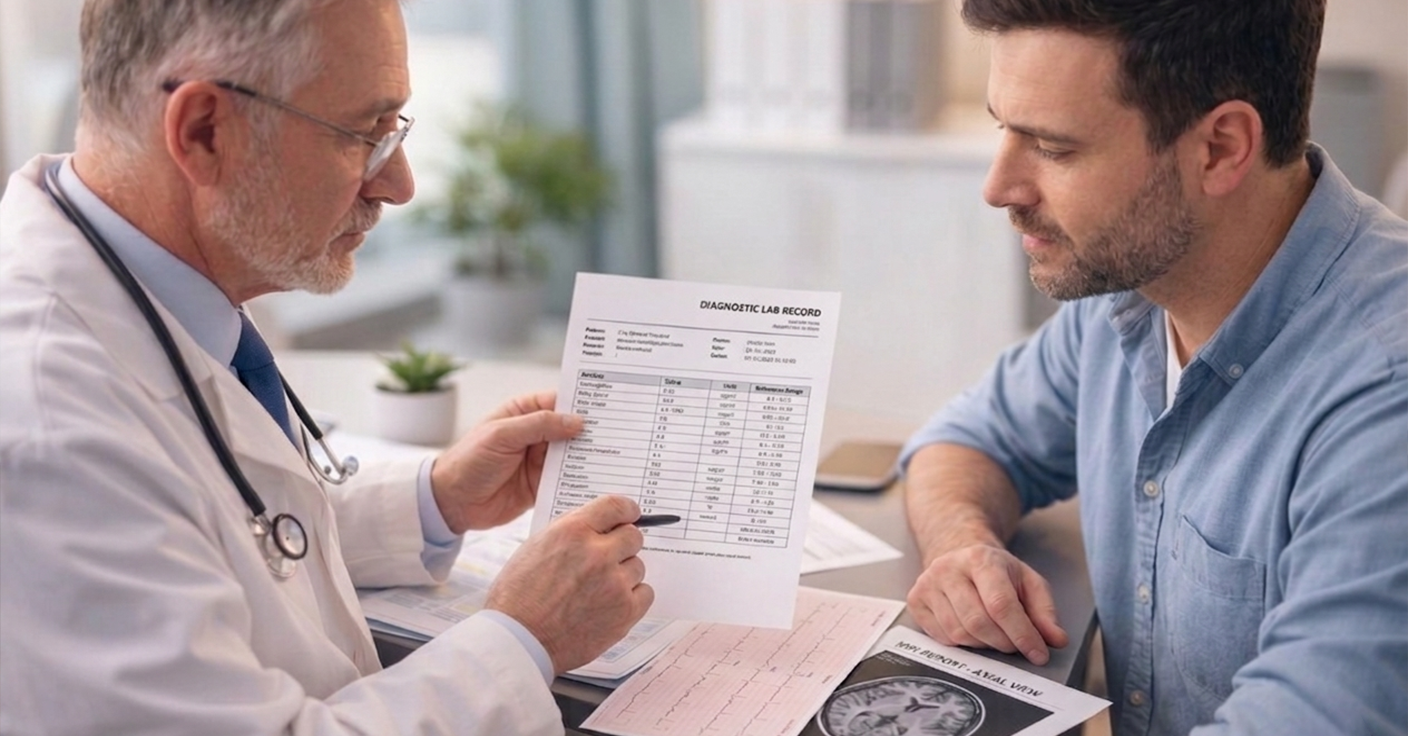
- Consult with Doctor: After the test, you will receive your results and consult with your doctor about the report. The doctor will review the report and explain the next steps.
- Follow-up: Based on your results, your doctor will recommend the next steps, including further investigations and when to schedule your next follow-up.
How Long Does a TMT Test Take?
The test takes about 30-45 minutes; the treadmill portion takes 10-15 minutes. If your blood pressure, heart rate, and ECG responses are normal during the test, the results are considered normal. In a normal TMT test, activity should gradually raise your heart rate, and your blood pressure should rise slightly as well. However, ECG results should stay within the normal range. These factors are closely monitored to assess how efficiently your heart manages stress.
Is a TMT Test Safe and Painful?
In general, TMT is a safe and painless test for evaluating heart condition. However, TMT requires physical effort, so it carries some risks. If you feel shortness of breath or extreme fatigue while walking on the treadmill, stop immediately. In addition, chest pain, dizziness, or lightheadedness during the test needs immediate attention.
Because this is a stress test for your heart, you may experience heavy sweating, fatigue, rapid breathing, and muscle cramps. Knowing what to anticipate will help you mentally prepare for the test. Recognize the TMT’s phases, including the treadmill’s steady speed and increasing incline. Don’t hesitate to ask your healthcare provider any questions or concerns you may have about the test. Understanding the process may boost your confidence.
Understanding Your TMT Result
TMT normal range:
TMT test determines how well your heart responds to stress. Before, during, and after the test, the doctor monitors your BP, heart rate, and ECG. If all parameters are within range and there are no concerning signs, the TMT is considered normal.
Positive TMT
If the TMT test comes back positive, it means that the heart is reacting abnormally to exercise stress. During the TMT test, this could show up as big changes in the heart rate, blood pressure, or ECG results. Heart problems like coronary artery disease (CAD), myocardial ischemia, or other heart illnesses may be present if the TMT test comes back positive.
Negative TMT:
A negative TMT means the heart’s response to exercise stress is normal. During the TMT test, heart rate, blood pressure, and ECG readings stay stable, with no major changes or problems. If the TMT test comes back negative, it means coronary artery disease or other heart problems are less likely.
An abnormal TMT test report indicates that your heart is not performing properly. Doctors may notice it through an abnormal ECG, heart rate, or blood pressure. Sometimes patients can feel dizziness, chest pain, or breathlessness during the test. An abnormal TMT test does not always mean you have major heart issues; it means your heart needs more attention.
When the report is positive, the doctor may ask you to perform follow-up procedures:
- Perform additional tests like an Echocardiogram, CT scan, or Angiography for further investigation.
- Monitor heart rhythm and blood pressure to identify the problem.
- Lifestyle modification, stopping smoking and alcohol, is essential to keep your heart healthy.
- Control diabetes, cholesterol, and thyroid to avoid further consequences.
What is the Cost of a TMT Test in Bangalore?
TMT test is not an expensive test for identifying cardiovascular diseases. However, the price can vary depending on the clinic status and facilities. Always have an expert guide and supervise the test to ensure optimal care and accurate results. A cardiologist may recommend TMT if a patient reports sudden chest pain or discomfort. Without consulting a cardiologist, do not perform the test.
TMT Testing at Bangalore Hospitals
Bangalore Hospitals, the TMT test is available as part of cardiology diagnostic services. We have one of the best cardiology departments in Bangalore with renowned cardiologists and their team. We offer ECG, echocardiogram, and Holter monitoring for cardiac evaluation. The hospital offers a BH Prevent program that helps young adults complete these tests under the package without paying extra cost. If the patient returns with a positive TMT test, we use other advanced technologies to identify the exact root cause. The hospital has one of the best CT scan machines in India, which can detect heart problems in just 3 seconds. If you need any kind of consultation for sudden discomfort, come to us; our dedicated cardiac team will evaluate your problem and provide the appropriate solution.
FAQs
- Is the TMT test painful?
No. It is not painful, but it involves physical exertion to see how your heart responds under stress. As a result, the test can cause physical exhaustion, leg cramps, sweating, and rapid breathing.
- How long does a TMT test take?
It is a simple test for evaluating your heart function. Walking on the treadmill takes about 10-15 minutes. Before and after, we monitor your heart rate, ECG, and blood pressure, and the settling-down process takes more than 10-15 minutes.
- What should I avoid before a TMT test?
Some common tips you need to avoid before performing a TMT test:
- Avoid heavy meals 2- 4 hours before the test
- Do not have caffeinated drinks just before the test
- Avoid smoking & alcohol before the test
- Heavy exercise should not be performed before the test
- Is the TMT test safe for everyone?
TMT is safe when performed under medical supervision. You should not perform the test without consulting a doctor. The test is not recommended for patients suffering from uncontrolled blood pressure or a recent history of heart attacks, an unstable heart condition, or valve narrowing issues.
- What does a positive TMT result mean?
A positive TMT result indicates that the heart muscles do not get enough blood and oxygen under stress conditions. Reduced blood flow indicates coronary artery disease, but a positive TMT does not always signify anything serious. Depending on your symptoms and risk factors, doctors may recommend further testing to identify the exact cause.
- How much does a TMT test cost in Bangalore?
It depends on the facility, cardiologist supervision, and consultation charges. However, at Bangalore Hospitals, you will get the best TMT test under doctor supervision and utmost care at affordable prices. We will also plan the next steps for your healthy life.