

 Book an Appointment

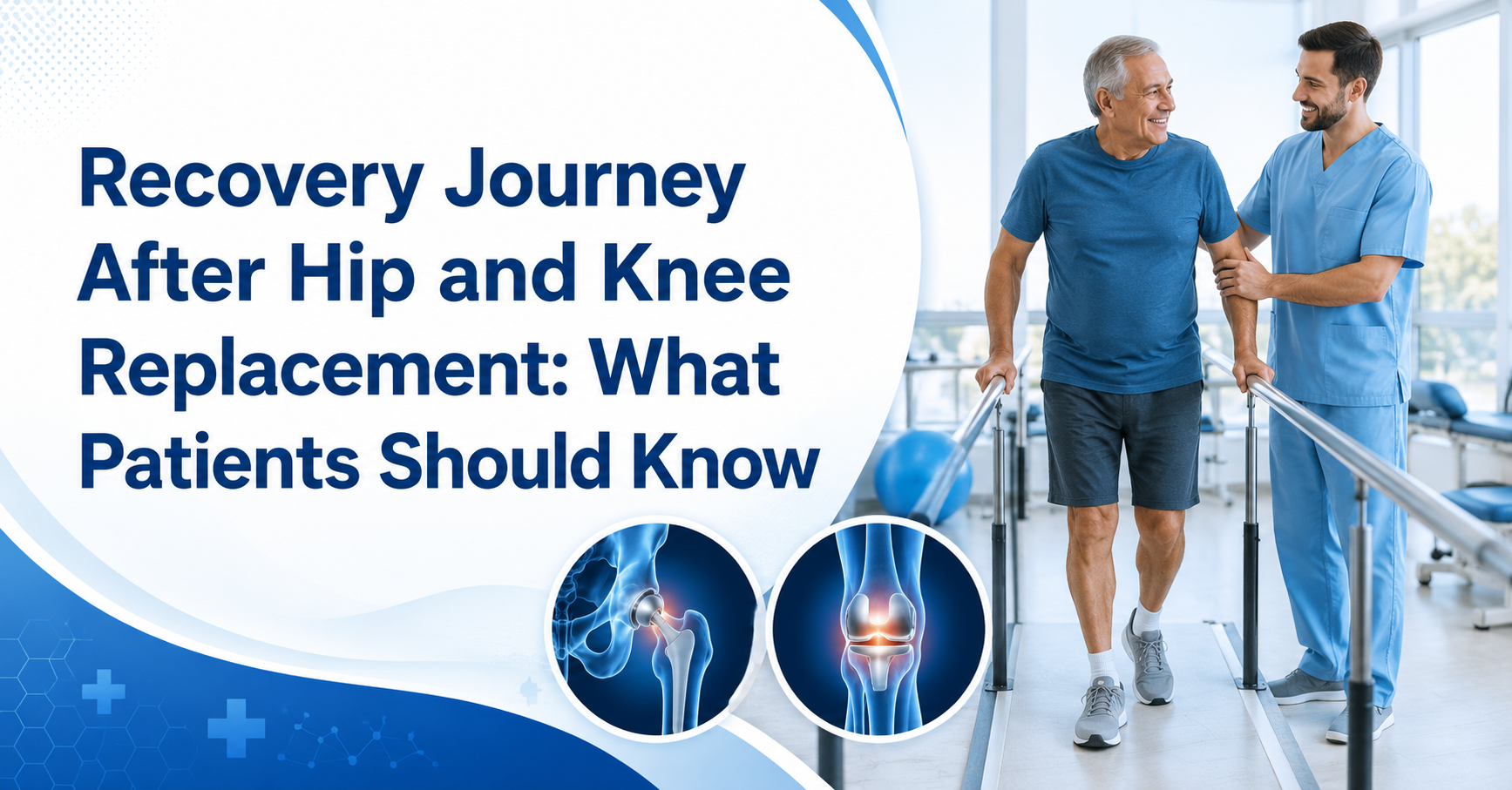
Joint replacement does not end in the operating theatre. That is where the new chapter begins.
For many patients, knee or hip replacement comes after years of stiffness, swelling, limping, painkillers, missed walks, and careful planning around stairs. Surgery replaces the damaged joint surface. Recovery teaches the body how to move again without fear.
At Bangalore Hospitals, our orthopaedic teams for knee and hip replacement focus on surgery, physiotherapy, pain control, safe walking, wound care, and home recovery planning. The implant matters, and the recovery plan matters just as much.
What Happens Right After a Knee or Hip Replacement?
After knee or hip replacement, patients usually begin safe movement early with medical guidance, pain control, walking aids, wound care, clot-prevention measures, and physiotherapy. Recovery continues at home through exercises, follow-up visits, and a gradual return to daily activity.
The first steps feel strange. That is normal. There may be stiffness, swelling, soreness, and hesitation. The body is not only healing from surgery but also learning a new movement pattern. That takes repetition.
Physiotherapy may begin early, walking may start with a walker, crutches, or a cane, and the pace depends on age, muscle strength, medical history, pain, swelling, and the surgeon’s advice. No two recoveries walk at the same speed.
What is the usual knee Replacement Recovery Time?
Knee replacement recovery time varies, but early recovery often focuses on walking support, bending and straightening the knee, pain control, reducing swelling, and daily exercises. Strength, confidence, and full comfort may take weeks to months to develop, depending on the patient.
Patients often ask, “When will I feel normal?” Ask the best knee replacement surgeon in Bangalore, and they should explain that recovery depends on more than the implant. Muscle strength before surgery, weight, diabetes, age, pain tolerance, wound healing, and rehab consistency all matter.
Early recovery usually includes:
-
Ankle pumps
-
Quad tightening
-
Knee-bending exercises
-
Supported walking
-
Ice and elevation when advised
-
Wound checks
-
Follow-up visits
-
Gradual stair training
The knee dislikes drama. It likes steady work.
How Is Hip Replacement Recovery Different?
Walking safely, hip precautions, strengthening, clot prevention, home safety, and avoiding risky movements (as advised by the surgeon) are all part of hip replacement recovery. Patients may use a walker or crutches early and gradually increase activity.
Hip replacement has its own rhythm. Patients often feel relief from old joint pain, but the new hip needs protection while tissues heal. Getting in and out of bed, using the bathroom, sitting height, stair movement, and footwear all need attention.
Home changes help:
-
Remove loose rugs.
-
Keep pathways clear.
-
Use good lighting.
-
Keep water and medicines nearby.
-
Avoid very low chairs.
-
Use bathroom support if advised.
-
Keep pets away from walking paths.
Which Recovery Milestone Matters Most?
|
Recovery Area
|
What It Means
|
Why It Matters
|
Timeline Cue
|
|
Early walking.
|
Safe steps with support.
|
Reduces stiffness and builds confidence.
|
Hospital stage.
|
|
Range of motion.
|
Bending and straightening.
|
Supports daily activity.
|
First few weeks.
|
|
Strength training.
|
Muscle rebuilding.
|
Protects the joint.
|
Ongoing.
|
|
Home safety.
|
Fall prevention.
|
Reduces injury risk.
|
Before discharge.
|
How Do You Choose the Best Knee Replacement Hospital?
The best knee replacement hospital should offer experienced orthopaedic surgeons, physiotherapy support, infection-control practices, imaging, pain management, emergency backup, follow-up care, and clear recovery guidance. A strong hospital journey does not stop after surgery.
A good operation can be weakened by poor recovery planning. That is the truth patients must know.
Stronger Steps, Freer Moves: Orthopaedics & Sports Medicine Experts at Bangalore Hospitals
At Bangalore Hospitals, our Orthopaedics & Sports Medicine team brings together leading specialists dedicated to restoring movement, easing pain, and getting you back to the activities you love.
-
Dr. Avinash Alva (Consultant – Orthopaedic)
-
Dr. S. Hemachandra Shetty (Orthopaedic Surgeon)
-
Dr. Abhishek Mannem (Director of Spine Services)
-
Dr. Veeresh (Orthopaedics – Sports, Arthroscopy and Joint Replacement Surgeon)
They work across our Jayanagar and Kengeri campuses to provide comprehensive care from fracture management and complex spine problems to sports injuries and advanced joint replacement. They utilise accurate diagnosis, minimally invasive techniques and personalised rehabilitation plans to help you walk tall, move freely and get back to living life on your own terms.
Final Thoughts
Hip and knee replacement recovery is not a straight road. There are good days, stiff days, swollen days, and proud little victories that look ordinary to everyone else.
At Bangalore Hospitals, we want patients to understand the full journey. Hip and knee replacements are not just surgical procedures. They are recovery partnerships between the patient, surgeon, physiotherapist, nurses, and family.
Patients searching for the best knee replacement hospital or surgeon in Bangalore should ask about rehabilitation, pain control, follow-up care, and home preparation. A new joint can reduce pain and improve movement, but the real win is confidence.
The goal is not just walking. It is walking back into life.