

 Book an Appointment


Our hearts beat in a regular rhythm during every activity of life. It is common for the heart to beat fast when we’re active and slow when we are resting. But sometimes, for medical reasons, heartbeats become irregular. The electrical signal that tells the heart to beat does not work properly. This condition is known as a heart arrhythmia, where the heartbeat is inconsistent. Sometimes this can cause tiredness, anxiety, fainting, sweating, and breathing difficulties. To manage these situations, doctors implant a pacemaker near the heart to regulate your heartbeat. It is a small, battery-powered electronic device that sends painless electrical impulses to the heart to beat at regular intervals and pump blood throughout the body.
A pacemaker does not resolve every heart condition, but it can help to reduce symptoms like fainting, dizziness, breathlessness, and palpitations. Rhythmic pumping maintains normal blood flow and supports quality of life.
What Is a Pacemaker and Who Needs One?
A pacemaker is a medical device that is placed under the skin near the heart. It helps maintain a normal heart rate and prevent further deterioration. Electrical impulses are used by pacemakers to address electrical system issues in your heart. This system usually signals your heart’s chambers when it’s their turn to squeeze. If the electrical system isn’t functioning properly, your heart’s chambers may squeeze too weakly or in the wrong order. This can prevent your heart from supplying your body with enough blood.
When your heartbeat is too slow, a cardiac pacemaker can detect it. It then sends electrical impulses to regulate your heart’s rhythm. Patients who have an irregular heartbeat may benefit from the device. However, a pacemaker can also address issues with your heart’s electrical system, such as heart block or certain arrhythmias. Additionally, people may require it if they have dyspnea, unexplained lightheadedness or dizziness, nausea, disorientation, or fainting.
When do doctors suggest pacemakers for their patients:
- If your heartbeat is irregular, your heart specialist might suggest a pacemaker. By delivering painless impulses to the heart to ensure it beats and pumps blood at the right rate.
- The most prevalent type of arrhythmia that is treated with a cardiac pacemaker is bradycardia, which causes the heart to beat more slowly than it should. A pacemaker helps to maintain an adequate heart rate. For those with serious cardiac problems, a BVT pacemaker or a dual-chamber pacemaker may be used. It connects two heart chambers so the blood-pumping motion is synchronized and both beat at the proper rhythm.
Several underlying causes of arrhythmia are listed below:
- Congenital heart defects (CHD): A pacemaker may be used as part of the treatment for a child born with a cardiac problem, such as a heart block. A cardiac pacemaker may be implanted when the child with CHD gets older to deal with a number of the condition’s symptoms.
- Symptomatic sinus node disease: Over the past 20 years, permanent pacemakers have become more popular due to advancements in their engineering. In order to prevent cardiac health issues caused by sinus node malfunction that results in arrhythmia, usually of the tachy- or brady-variety, your doctor might suggest pacemaker implantation.
- Syncope (fainting): Syncope occurs when reduced blood flow to the brain is caused by a wide range of medical disorders. Doctors may recommend pacemaker surgery to guarantee a consistent pumping motion by the heart to ensure appropriate blood flow to the brain if this is shown to be caused by an irregular heartbeat.
- Congestive heart failure: A condition in which the heart beats inefficiently, preventing blood from delivering enough oxygen, sugar, and nutrients to the body. It happens because the heart muscles weaken. A permanent pacemaker can stabilize the pumping action.
Types of Pacemakers – Comparison Table
Depending on the patient’s condition, the cardiologist will suggest a specific pacemaker that works best for the patient:
- Single-chamber Pacemaker:
This pacemaker has a single wire attached to one chamber of the patient’s heart and sends signals.
- Dual-chamber Pacemaker:
It has two wires that connect the heart’s two chambers to maintain a specific rhythm.
- Biventricular Pacemaker:
In this type of pacemaker, three wires coordinate the timing of the right atrium and both ventricles. It benefits patients with heart failure and rhythm abnormalities.
- Leadless Pacemaker:
A cardiologist uses a catheter-based technique to implant this tiny pacemaker, about the size of a large pill. This device doesn’t require wires because it attaches to the heart’s inner wall.
The Implantation Procedure – Step by Step
- Before the Procedure:
A few hours of surgery is required to place the pacemaker inside the body. At the initial stage, an IV drip with a sedative is used to relax the patient. Local anesthesia is applied to numb the area where the surgical process will take place. During surgery, the patient will be fully awake but lightly sedated.
- During the Procedure:
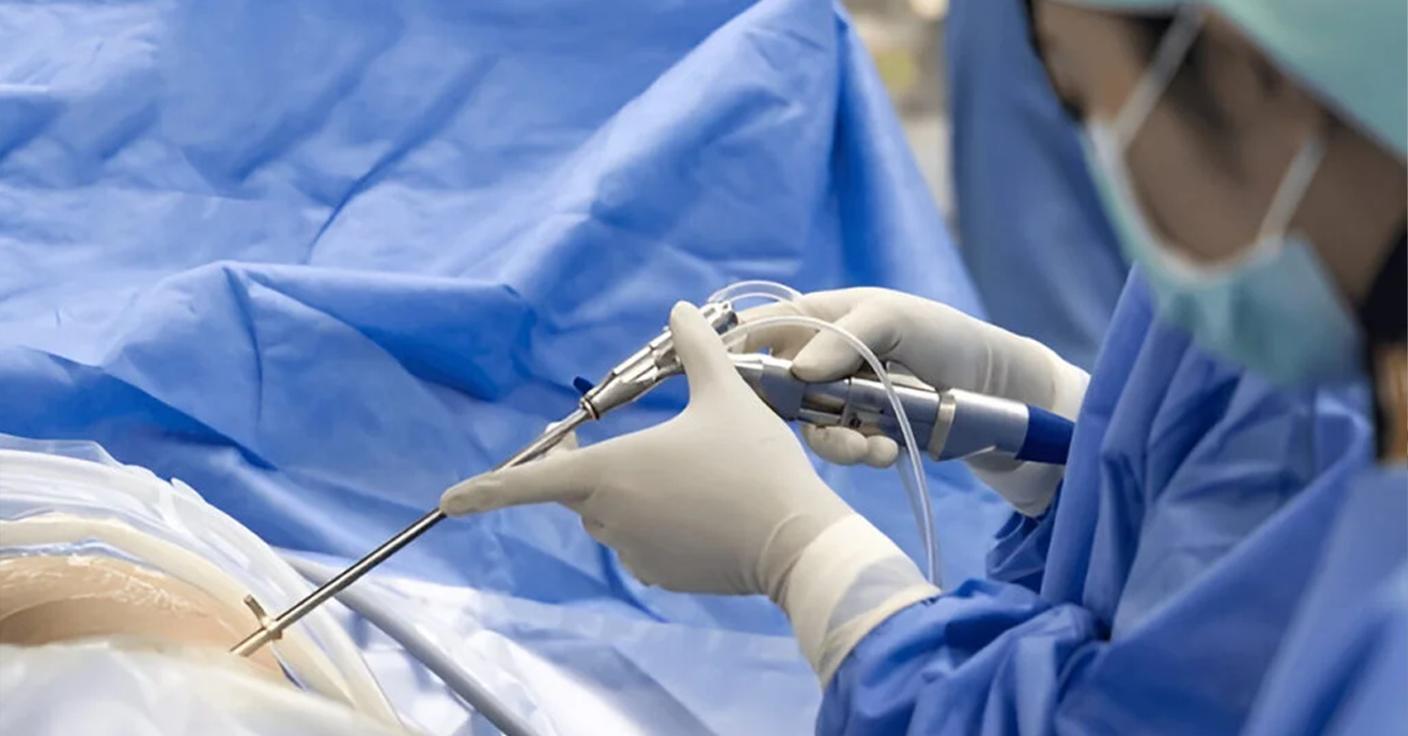
The doctor inserts one or more wires into the major vein near the collarbone to place the pacemaker. X-ray images guide the wires to the heart. One end of each wire connects to the main part of the heart, and the other end attaches to the pacemaker to deliver electrical signals. In general, the pacemaker is placed under the skin beneath the collarbone.
However, a leadless pacemaker is a small device, and all the parts are included in a single unit. It is placed directly into the heart through a thin catheter. The process starts in the groin, where the tube is inserted; the pacemaker travels through the tube and is placed in the correct location.
- After the Procedure:
After the surgery, hospitalization is required to program the device to fix the heart rhythm. For up to one month after surgery, patients are asked not to do heavy lifting or stressful work that requires a lot of energy. Avoid pressing the area where the pacemaker is placed.
What are the Risks and Complications
Possible complications of pacemaker implantation include:
- Allergic Reaction:
Sometimes patients have allergic reactions due to medication or the materials in the pacemaker itself. However, before surgery, the healthcare team will perform the necessary diagnostic tests to reduce the risk of these complications.
- Infections:
About 1% of people develop infections after surgery; medications can help prevent this. During follow-up, close monitoring helps identify infections and treat them as early as possible. Sometimes, you may need to replace the pacemaker to treat infections.
- Blood Clot:
Blood thinner medications help to reduce the risk of blood clotting. This is an effective way to reduce the risk of clotting and related complications.
- Lung Injuries:
Lung injuries are a rare complication during pacemaker placement; they can cause air leakage. If this happens, the patient needs long-term monitoring and treatment to improve their condition.
- Device Malfunction:
Sometimes the device malfunctions because the lead may move out of position or break free. To prevent this, healthcare providers advise limiting movement after pacemaker implantation.
- Unexpected Heart Rhythm:
In some rare instances, a pacemaker can cause an irregular heart rhythm. In these cases, healthcare providers will explain the cause and how to prevent it.
Recovery Timeline
Recovery depends on age and overall health. In general, after surgery, you can return home the day of surgery or the next day. Within 4- 6 weeks, you can lead a normal life, with some common restrictions to avoid postoperative complications.
- Recovery in Hospital:
Most of the patients require one day of observation after surgery. The stay may be extended depending on the patient’s health status. After the procedure, the main aim is to ensure that the pacemaker is working properly and managing the heart rhythm and rate. Take precautions to reduce the risk of infection at the surgical site. During hospital recovery, doctors take X-rays to check the pacemaker position and its lead in the heart. Apart from that, pain management is essential, with pain relief medications after surgery. Device testing and programming ensure the pacemaker works optimally.
- Recovery at Home:
After surgery, keep incision sites clean and dry to reduce infection risk. To promote recuperation at home, you may need to follow these instructions at home:
- Follow the doctor’s bathing recommendations; wait 4 or 5 days before showering or bathing.
- For a few weeks, avoid lifting heavy objects; avoid pushing, tugging, or twisting.
- Avoid raising the arm on the pacemaker’s side above shoulder level; wear loose clothing that doesn’t rub against the incision site; stay physically active but avoid strenuous exercise; and stay away from powerful magnets.
- Follow-up checkups:
After the surgery, the first follow-up checkups will be around 4 weeks later. After that, follow-up checkups will be every four to six weeks after the initial follow-up session. If a patient has concerns about their pacemaker or experiences any problem, including an infection, chest pain, or any discomfort, then make an appointment immediately. Some pacemakers can connect to smartphones, enabling patients to check their heart health and receive alerts.
Life After a Pacemaker – What Changes, What Doesn’t
Life with a pacemaker is not as complicated as we usually think.
- Most people can return to an active lifestyle after recovery, though some activities may need to be temporarily restricted or avoided, depending on their condition and the type of device.
- Try to avoid getting close to strong magnetic-field objects. However, using a smartphone and a microwave is permissible.
- Always carry a pacemaker identification card when traveling by air. Avoid smoking and alcohol as they affect the overall health condition of individuals.
- Always try to eat a balanced, heart-friendly diet rich in all nutrients.
- Tell your doctors, including dentists, about your pacemaker. The device may be affected by MRI or CT scans. But modern technology generally does not affect the device.
- Some therapies include radiation for cancer, electric current to manage surgical bleeding, and sound wave therapy, which can impact the device.
- Women with pacemakers can get pregnant and stay healthy. To keep your heart healthy during pregnancy and birth, you should work closely with both a cardiologist and an obstetrician.
Battery Life and Replacement
A pacemaker should alleviate symptoms like excessive fatigue, dizziness, and fainting caused by a sluggish heartbeat. Most modern pacemakers automatically adjust heart rate to match your level of physical activity. After receiving a pacemaker, you require routine medical examinations. Inform your doctor if you experience weight gain, swelling in your legs or ankles, dizziness, or fainting. Every three to six months, a medical specialist should examine your pacemaker. Most pacemakers are remotely checkable. This implies that you can get the checkup without visiting a doctor. A pacemaker’s battery life is often five to fifteen years. Surgery is required to replace the battery when it stops functioning. A pacemaker battery replacement procedure is often less time-consuming than the initial implantation. You should also recover more quickly.
Life Expectancy and Quality of Life After a Pacemaker
If you have a low heart rate, feel dizzy, have shortness of breath, or feel lightheaded, consult a cardiologist to find the exact cause. If they recommend pacemaker implantation, proceed with the surgery without hesitation. Pacemaker surgery can help an individual return to normal life within a few weeks after surgery. It can improve quality of life and ultimately prevent heart disruption. The surgery can eliminate many signs of heart rhythm problems. Eliminate dangerous symptoms like fainting that can happen because of arrhythmias and help prevent advanced heart disease better health and longer lives.
A pacemaker is a tiny, battery-operated device usually placed just under the skin, often in the chest area beneath the collarbone. The pacemaker and your heart are connected by tiny wires called electrodes. When the pacemaker’s microprocessor detects an irregular rhythm, it sends electrical signals through the attached electrodes to jump-start your heart into a properly timed beat.
When a person experiences an abnormally slow heartbeat, a fast, fluttery heartbeat, or cardiac arrest, a pacemaker can be set to take action. A biventricular pacemaker can also help boost your heart’s ejection fraction, or pumping force, which is often significantly reduced due to congestive heart failure.
Cost of Pacemaker Implantation in Bangalore
The cost of pacemaker implantation in Bangalore depends on several factors, including hospital standards, doctor fees, the patient’s medical conditions, age, type of surgery, and other variables. In this regard, health insurance can help the patient cover the cost of surgery, as most health insurance plans in India provide coverage for it. In Bangalore, private hospitals with strong brand value charge more than hospitals with less brand value. Advanced facilities and equipment also affect surgery costs. Experienced, recognized specialists can increase the overall cost because of higher consultation charges. Post-operative complications and follow-up checkups can also add to overall costs. Currently, in a tier 1 city like Bangalore, pacemaker surgery costs around 6 lakhs or more.
Pacemaker Implantation at Bangalore Hospitals
Bangalore hospitals have highly skilled cardiovascular surgeons who can easily handle even the most challenging cases for patients of all ages. Our success in offering a wide range of cardiac treatments proves that we are a reputable cardiac hospital in Bangalore. Heart failure, coronary artery disease, valve disease, bypass surgery, pacemaker surgery, and congenital heart disease are all well-managed by our specialists.
We provide personalized patient care with advanced technologies that ensure optimal outcomes. In addition, we have a 640-slice CT Scan machine that enables us to detect heart-related conditions at an early stage with minimal exposure. Our strong cardiac department has modern equipment that supports accurate diagnosis and improved outcomes. The hospital organized a BH Prevent program, different from standard health packages, with the intention of identifying future risk factors in young adults who consider themselves fit and perfect now.
At Bangalore Hospitals, patients receive comprehensive care through pre-surgery checkups, including a detailed heart examination and proper counseling about their condition and the treatment process. From surgery through recovery and follow-up, patients will receive proper support, guidance, and treatment from our end. So, if your loved one is suffering from any heart-related problems, connect with us for the best cardiologist consultation and services.
FAQs
- How long does a pacemaker last?
Pacemaker batteries typically last 10 to 15 years. To check your pacemaker’s battery level, your doctor will schedule follow-up appointments once or twice a year. Replacing the battery is typically easier than implanting the device.
- Can you live a completely normal life with a pacemaker?
Yes, pacemaker patients can lead a normal life without problems. But need to avoid strenuous activities that are exhausting or using any electromagnetic appliance, as it can interfere with the device’s effectiveness. Your doctor will explain in detail;
- Is pacemaker surgery painful?
It is not painful, as local anesthesia is performed and the patient will be sedated. Still, it’s a surgical process that may cause some pain or discomfort. In such cases, consult your cardiologist to prevent further deterioration.
- Can you fly or go through airport security with a pacemaker?
Yes. It does not affect or damage the device, but before checking in, inform security about the pacemaker, or carry the pacemaker identification card.
- What activities should be avoided after getting a pacemaker?
After surgery, rest for 4-6 weeks to let the site heal and your body adjust to the device. After that, avoid strenuous exercise and heavy lifting, and avoid close contact with high magnetic appliances or equipment.
- How much does a pacemaker cost in Bangalore?
A pacemaker implantation procedure in Bangalore typically costs between ₹2,30,000 and ₹4,60,000, averaging about ₹2,90,000. It depends on the type of pacemaker you choose and what’s appropriate for your health condition.