


 Book an Appointment

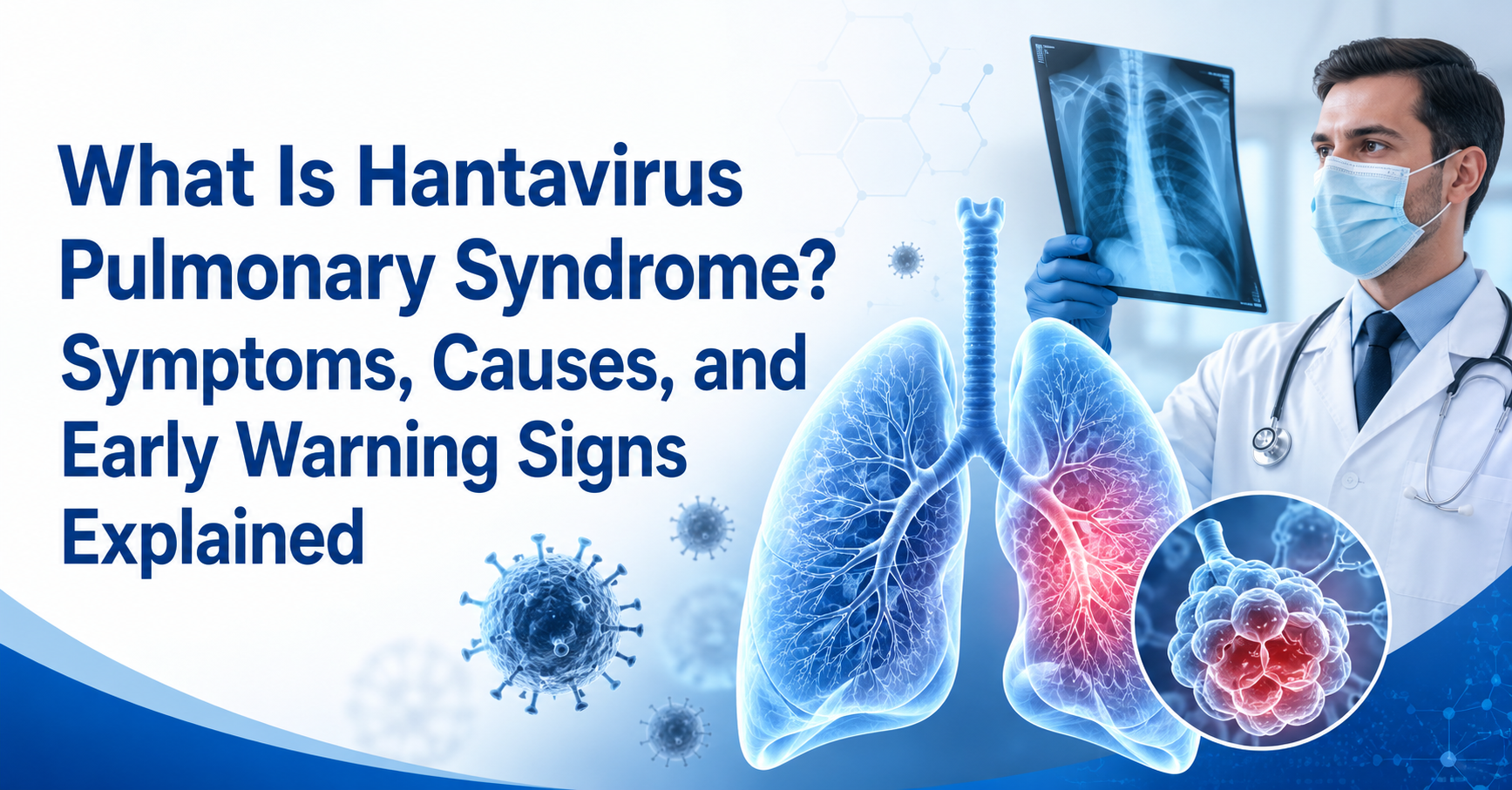
Some illnesses knock. Others sneak in wearing the mask of a regular fever.
Hantavirus disease is dangerous because it can begin like an ordinary viral infection: tiredness, fever, body ache, chills, nausea. Nothing that instantly looks alarming. Then the lungs enter the story. Breathing becomes harder. The chest feels heavy. A quiet infection starts behaving like an emergency.
At Bangalore Hospitals, we treat this kind of illness with one clear rule: context matters. A fever after possible rodent exposure is not just another seasonal bug. Hantavirus pulmonary syndrome can become serious quickly, so early recognition can help patients reach medical care before breathing distress becomes severe.
What Is Hantavirus Pulmonary Syndrome?
Hantavirus pulmonary syndrome is a severe viral illness caused by hantavirus infection, often after exposure to infected rodents or their urine, droppings, saliva, or nesting material. It can affect the lungs and may require emergency medical care if a cough, chest tightness, or breathing difficulty occurs.
The tricky part? It doesn’t always look serious in the beginning. A person may first feel feverish and exhausted, almost like the flu. Muscles ache. The stomach may feel unsettled. Some people experience headache, chills, dizziness, vomiting, diarrhoea, or abdominal pain. Later, the illness can shift toward the lungs.
That shift is the danger zone.
What Hantavirus Symptoms Should You Watch Closely?
Hantavirus symptoms can begin with fever, fatigue, muscle pain, chills, headache, nausea, vomiting, diarrhoea, or abdominal discomfort. Later warning signs may include cough, breathlessness, chest tightness, and difficulty breathing, which can point toward hantavirus pulmonary syndrome.
Early symptoms may look like:
-
Fever
-
Deep body ache
-
Weakness or fatigue
-
Headache
-
Chills
-
Nausea or vomiting
-
Stomach pain
-
Loose motions
Later symptoms may feel different:
-
Cough
-
Breathlessness
-
Heavy chest
-
Fast worsening of breathing
-
Dizziness or weakness
That last group should not wait.
At Bangalore Hospitals, we often tell families that fever alone may not reveal the full picture. The question is: what happened before the fever? Cleaning a closed storeroom, opening an unused shed, handling dusty boxes, or disturbing rodent droppings can change the meaning of symptoms.
How Does Hantavirus Disease Spread?
Hantavirus disease usually spreads when virus-contaminated particles from rodent urine, droppings, saliva, or nesting material become airborne and are inhaled. Risk of exposure can rise when sweeping, vacuuming, or disturbing dry rodent waste in closed spaces.
The home may look harmless. A cupboard, a garage, a store room, a farm corner or a warehouse shelf. But if rodents have been there, cleaning must be careful. Dry sweeping can lift contaminated dust into the air. Safer cleaning means wearing gloves, ventilating the area, wetting droppings with disinfectant, letting them soak, and wiping rather than sweeping.
What Does Hantavirus Treatment Usually Involve?
Hantavirus treatment focuses on urgent supportive medical care because there is no specific cure for hantavirus infection. Patients may require close monitoring, supplemental oxygen, ventilatory support, fluid management, and intensive care if hantavirus pulmonary syndrome is suspected.
This is where an infectious disease hospital setup matters. The treatment of viral infection is not always a single medicine. Sometimes, the body needs hospital-level support while doctors monitor oxygen, blood pressure, breathing, hydration, and organ function.
Which Hantavirus Warning Sign Needs What Response?
|
Warning Sign
|
What It May Suggest
|
Response Needed
|
Urgency Level
|
|
Fever after rodent exposure
|
Possible early infection
|
Medical review
|
Same day
|
|
Body ache with vomiting
|
Viral illness pattern
|
Monitor with doctor input
|
Same day
|
|
Cough with chest tightness
|
Lung involvement
|
Hospital evaluation
|
Urgent
|
|
Breathlessness
|
Possible HPS progression
|
Emergency care
|
Immediate
|
Final Thoughts
Hantavirus disease is rare, but when it becomes severe, it is not mild. The early stage can fool people because it looks like a common viral fever. The real clue often sits outside the body, such as rodent exposure, closed spaces, dusty cleaning, droppings, or nests.
At Bangalore Hospitals, we want patients to remember one thing: fever plus rodent exposure deserves attention. Fever plus breathing difficulty deserves urgent care.
Do not panic, do not self-diagnose, and do not wait for breathlessness. Hantavirus pulmonary syndrome requires timely medical evaluation, and early action gives doctors a better chance to support the body before the lungs struggle