

 Book an Appointment


A cath lab, or catheterization laboratory, is where doctors perform minimally invasive tests and procedures related to the heart. A cardiac cath lab is equipped with state-of-the-art imaging technology to assess blood flow in the arteries. This helps professionals clearly understand the blockage and the treatment process. Bangalore Hospitals has an advanced Cardiology department with advanced cath lab facilities to diagnose and treat cardiac-related problems.
What Is a Cath Lab, and What Happens There?
A cath lab is a procedural space used to help examine specific cardiac conditions. Cardiologists use tiny wires and catheters in a cath lab to assess blood pressure, take images of the heart and blood vessels, and even treat heart blockages, valve problems, or decreased heart function instead of invasive open surgery.
Procedures Performed in Cath Lab
Diagnostic cardiac catheterization:
A catheter is inserted through the skin into the artery and travels to the heart. During this process, a special dye is injected to identify the possible blockage.
Biopsy:
A catheter obtains a small sample of heart muscle tissue, usually from the right side of the heart. It may be used to diagnose certain heart conditions or monitor for rejection after heart transplantation.
Some common interventional procedures performed in the cath lab are:
Atherectomy:
In this procedure, a rotational atherectomy catheter rotates at high speed to pulverize calcified plaque into microscopic particles that the bloodstream washes away, improving blood flow.
Balloon Angioplasty:
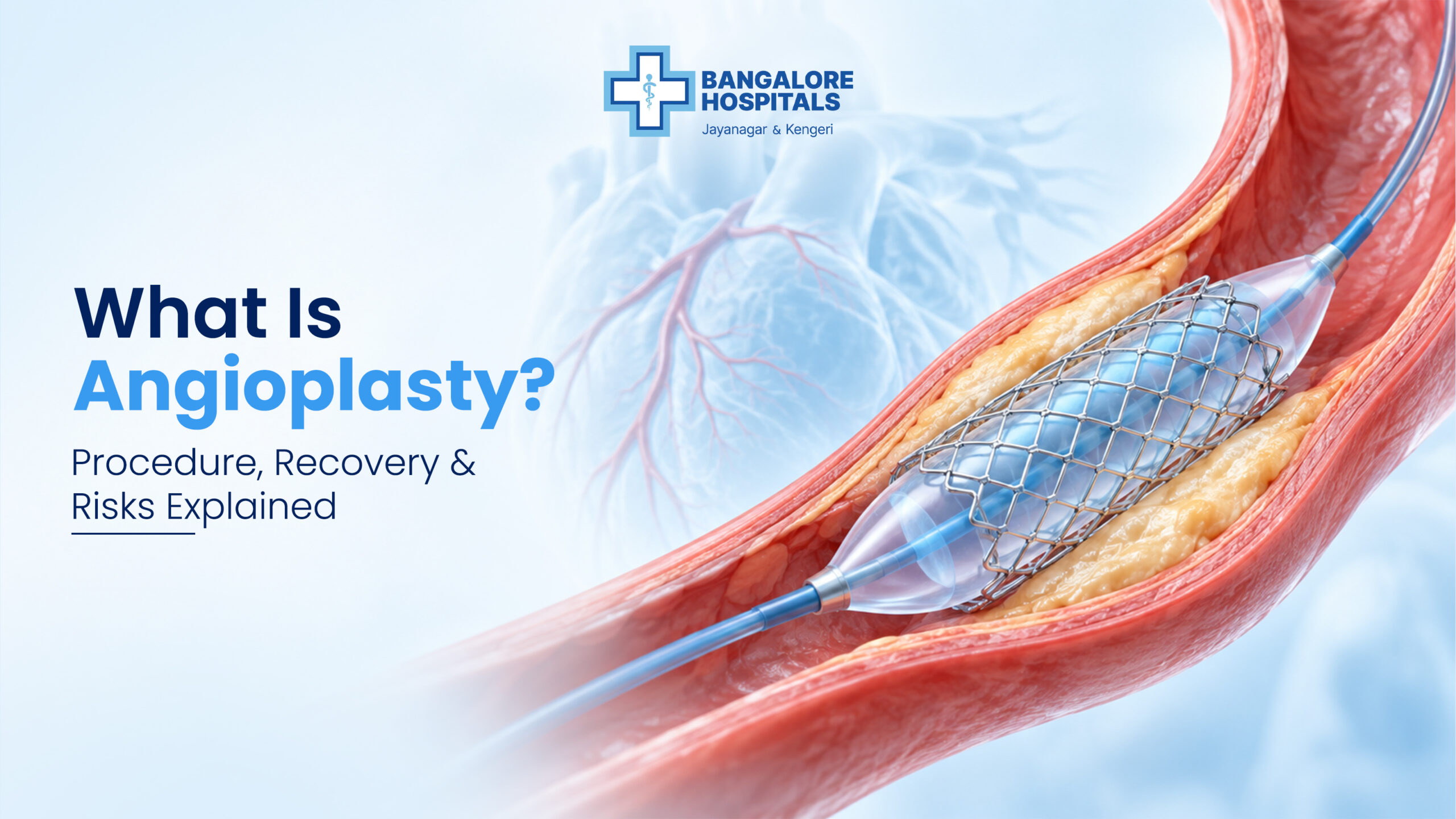
A catheter with a small balloon at its tip is guided to the narrowed portion of a coronary artery. The balloon is inflated to widen the narrowed area and improve blood flow. A stent may be placed to help keep the artery open.
Balloon Pulmonary Angioplasty:
During BPA treatment, a catheter with a balloon on its tip is inserted into a lung obstruction in the pulmonary artery. To clear the obstruction, break down scar tissue, and improve blood flow, the balloon is inflated. This allows more oxygen to enter your blood and lowers the pressure building in your circulation.
Percutaneous Coronary Intervention (PCI):
PCI is a non-surgical procedure that uses catheters and tiny wires to treat narrowing of coronary arteries. It offers an alternative to bypass surgery and a treatment option for people with angina who have no other options.
Percutaneous Transvenous Mitral Commissurotomy (PTMC):
A catheter, a tiny tube, is inserted into the heart through an artery in the arm or groin. The tube goes to the mitral valve. A device at the end of the tube, which looks like a balloon, is quickly inflated. The narrow mitral leaflets stretch open, widening the mitral valve opening. This means that the left heart sends more blood to the left ventricle.
Septal Closure Devices:
A wire mesh device made of nickel and titanium (Nitinol) and filled with polyester thread is used to fix holes in this wall without surgery.
Stenting:
Stents are small metal mesh tubes implanted in coronary arteries following balloon angioplasty to avoid restenosis. Some drug-eluting stents contain a particular medicament to prevent coronary artery re-narrowing.
Thrombectomy:
Several catheters are designed to clear loose debris from the artery before angioplasty or stenting.
Transcatheter Aortic Valve Implantation (TAVI):
Usually, to replace a valve, the chest has to be opened up during open-heart surgery called a sternotomy. TAVR, on the other hand, can be done through small holes that don’t affect the chest bones. After TAVR, some people may not need to stay in the hospital as long as they did after surgery to replace the valve.
Cath Lab vs Operating Theatre — Key Difference
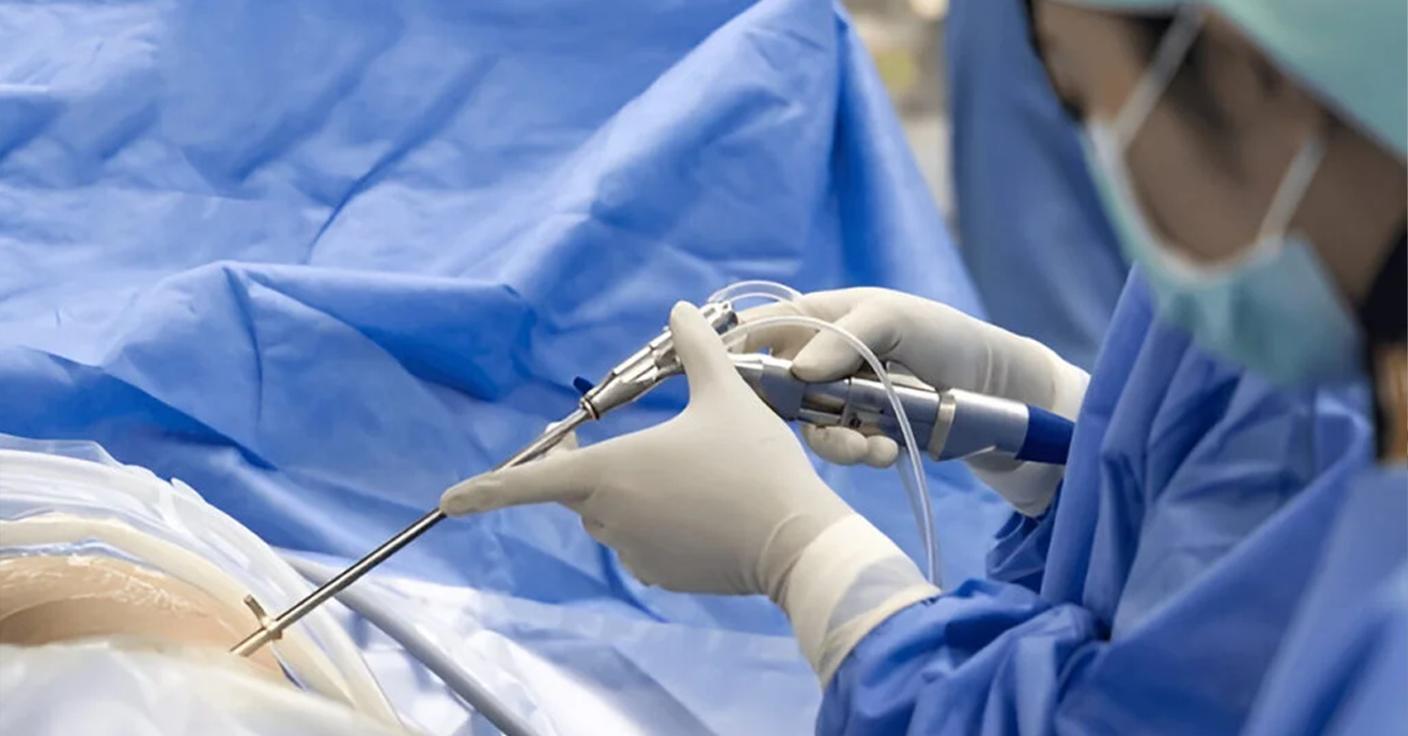
Cath labs are designed for catheter-based diagnosis and interventions, whereas operating theatres are for surgical procedures. Operating theatres are typically used for procedures that require incisions, whereas cath labs are mostly used for minimally invasive procedures in which a catheter is placed into an artery or vein to diagnose a heart problem. Cath labs are equipped with high-end X-ray machines, specialized tools, and monitoring processes to guide the catheter into the blood vessels. Cardiologists use the cath lab to identify blockages, measure blood flow, perform minimally invasive procedures like angioplasty, and implant stents or pacemakers. The exception is pacemaker implantation, which requires a small incision to place the device. It also takes place in a cath lab with proper sterile conditions to ensure patient safety.
How to Prepare Before You Arrive for Cath Lab Procedure
The average duration of a cath lab procedure is one to three hours, depending on the patient’s condition and procedure intensity. The cardiac team will insert an IV line into a vein in the patient’s arm before the procedure. Sedative drugs will be injected through the IV to relax the patient. They will also clean the surgical site. The procedure will then begin after the patient is taken to the cath lab.
Inside the lab, modern X-ray imaging cameras are placed and spin around the patient’s body while they lie flat on the movable cath lab table. Throughout the process, monitors provide vital signs and real-time X-ray images and video. When the needle puncture site is numbed with a local anesthetic, the patient may experience little discomfort. To make the treatment comfortable and painless, sedatives and painkillers are used. Some patients stay awake but sleepy, while others doze off for the entire procedure. After the procedure, the physician will remove the catheters and decide whether to use a special closure device or whether manual pressure is enough to stop bleeding at the site.
Before having a cath lab procedure, follow these four steps:
- Inform the team regarding any drug side effects and allergy history
- Check with your doctor the week before surgery; you may need to stop several medications.
- Before the procedure, avoid eating and drinking for 6 to 8 hours.
- On the day of the procedure, a family member or relative needs to be with the patient.
What Happens in the Cath Lab: Step-by-Step
Before the procedure, stop eating or drinking for six to eight hours. Take necessary medicines as per your doctor’s advice. Inform the team if you have a drug allergy before the catheterization process starts. On arrival, healthcare providers will start by placing an intravenous (IV) line to administer fluids and medications. Cath lab procedures typically take 1 to 3 hours; however, complex procedures may take longer. After the channel is created, the patient will lie on a table with a large X-ray camera and several TV monitors above it. The team prepares the catheter insertion site and places electrodes on the chest to monitor heart rate and rhythm.
During this time, caregivers start a mild sedative to relax the patient and inject a numbing medicine under the skin. After that, they insert a plastic introducer sheath into a blood vessel and insert a catheter through the introducer sheath toward the heart. During this time, the patient may feel some discomfort or heaviness, which is common. Then a small amount of contrast material passes through the catheter into the arteries. An X-ray camera takes images of your arteries and heart chambers while the contrast flows.
After the images are complete, the catheter and sheath are removed, a bandage is applied to the insertion site, and patients are observed for a few hours. Your healthcare team will give you specific instructions about positioning and movement based on whether the catheter was inserted through the wrist, groin, or another access site and whether a closure device was used. To prevent infection, cover your groin area with a sterile bandage and examine it frequently.
For a smooth recovery, the patient must drink plenty of fluids to help flush the contrast from the body. Discuss wound-site care with the cardiologist. After leaving the hospital, you can often drive for 24 hours. Avoid physically demanding activities for two to five days, depending on the catheter location. Your healthcare provider can tell you when you can return to normal active life. Avoid immersing the puncture site in water for a week while you heal at home. This implies that bathing and swimming are prohibited. However, you can shower 24 hours after the procedure.
What’s Different in Radial (Wrist) vs Femoral (Groin) Access?
Radial access is gaining popularity because it is patient-friendly and supports faster recovery. In this process, the radial artery of the wrist is used for catheter insertion. In addition, wrist access reduces bleeding risk because it is easy to compress post-operation. During the procedure, the team applies local anesthesia to the wrist area before inserting the catheter. After the procedure, the team applies a compression band to stop bleeding.
Femoral access is a standard way to reach the heart artery through the femoral artery in the thigh or groin. This approach has been used and preferred for decades to manage complex catheterization cases. During this process, cardiologists make a small incision in the groin to access the femoral artery. After the procedure, they apply manual pressure or a closure device to stop the bleeding, and the patient must lie down for hours to ensure normal blood circulation.
Radial artery access reduces the risk of complications and bleeding. The patient can wake up and start walking soon after the procedure. After the procedure, the patient does not need to lie on their back for long, as patients with back pain may feel uncomfortable. On the other hand, femoral access is beneficial for patients who require complex insertion, such as multiple stent placements or advanced imaging. This process has been used for decades to diagnose and treat patients. In emergencies, femoral access provides faster access to the artery than radial access.
However, radial artery access has constraints, including a small artery size that can interfere with complex procedures. In addition, it requires more skilled professionals as the radial artery is smaller. During the procedure, blood vessel spasm can occur, which can complicate the procedure and make the patient uncomfortable. In an emergency, femoral access is a better option because it provides easy access to large arteries. Femoral artery access is deeply located, which increases the risk of bleeding complications. Recovery can take many hours, which can make the patient uncomfortable. In rare cases, femoral access can damage the artery and cause a pseudoaneurysm or hematoma.
How Long Does Cath Lab Procedure Take?
Cath lab procedures include coronary angiography, angioplasty, stent implantation, intravascular ultrasonography, fractional flow reserve, rotational atherectomy, PFO/ASD closure, protected percutaneous coronary intervention, and extracorporeal membrane oxygenation. Minimally invasive, non-surgical techniques can address aortic and mitral valve disease in some patients. Most cath lab procedures take 30 minutes to a few hours, depending on the procedure and patient condition. In general, coronary angiograms take 20 to 30 minutes. However, some procedures take longer, such as 5 hours. Diagnostic procedures generally take less time than therapeutic procedures. The likelihood of issues arising during cardiac catheterization is minimal. A low percentage of patients experience mild issues, including bruising at the puncture site or an allergic response to the contrast dye used in the X-ray.
What Patient Might Feel After the Procedure?
After a cath lab procedure, caregivers put a dressing over the femoral artery in the groin or the radial artery in the arm, based on the insertion site. When removing the catheter, healthcare professionals may press the area to prevent bleeding. Monitor the insertion area to prevent infection. During this time, some patients can feel pain and discomfort that can be managed with medications. After removing the bandage, cover the area with a small adhesive bandage. For a few days, the catheter insertion site may appear black and blue. Patients may also notice a tiny lump at the site, along with minor swelling. While showering, keep the area clean and dry. Do not apply creams, lotions, or ointments to the wound site.
At discharge, the healthcare provider will give clear instructions on activity restrictions, wound care, and follow-up. Avoid heavy lifting and strenuous exercises for the next 5-7 days after the procedure. Some common risks associated with the procedure include heavy bleeding at catheter insertion sites that may require additional treatment. Femoral access recovery time is longer than radial access. Therefore, the patient is asked to lie down on the back on the table after the procedure to reduce the risk of excessive bleeding. Bleeding at the insertion site is common, but serious blood clots can block blood vessels. Contrast dye can cause allergic reactions that need immediate medical attention.
Mild complications after cath lab procedures include chest pain, discomfort, dizziness, and fatigue. In some cases, patients may develop numbness at the catheter insertion site, fever, and shortness of breath.
Cost of Cath Lab Procedures in Bangalore
The cost of cath lab procedures in Bangalore depends on factors like the type of procedure performed, hospital charges, doctors’ fees, and post-treatment costs. Factors that influence the cost of the procedure are:
- Procedure complexity and the patient’s condition can determine the expenses.
- Longer procedures and emergency procedures cost more than routine procedures.
- Pre- and post-procedure follow-ups increase overall procedure costs.
- Experienced professionals charge more compared to less experienced professionals.
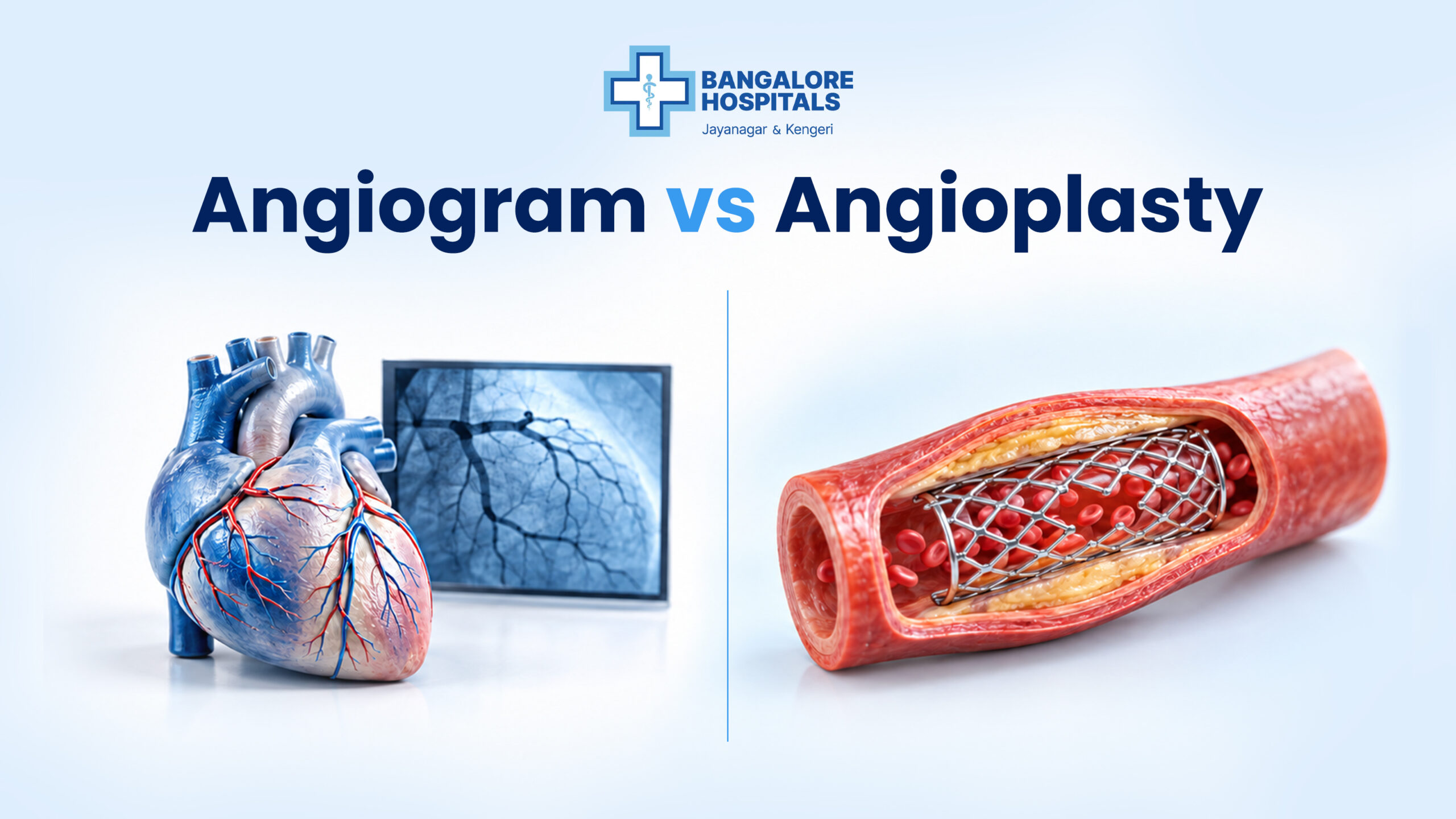
Angiogram costs in Bangalore range from Rs. 8,000 to Rs. 1,30,000, depending on the hospital and cardiologist fees. Angioplasty costs in Bangalore vary based on stent choice and the patient’s condition. The average cost of angioplasty is around ₹67,000 to ₹410,000. Pacemaker surgery cost in Bangalore depends on the type of pacemaker selected as per the patient’s condition. However, Bangalore Hospitals aim to offer optimal, life-saving care at minimal cost to make healthcare affordable in Tier 1 cities like Bangalore. We aim to make healthcare accessible to low-income groups and provide all cath lab services at affordable prices.
Cath Lab Procedures at Bangalore Hospitals
Bangalore hospitals have well-equipped, modern cath labs that provide superior cardiac diagnosis and treatment. Our cardiology department combines clinical expertise with advanced technology to deliver minimally invasive procedures. Our skilled cardiac team successfully performs stent and pacemaker surgery with precision. Our best cardiologist and team provide quality care with proven results, experience, and a patient-first philosophy. We prioritize safety, surgical precision, and compassionate care throughout recovery.
The hospital has advanced technology, including a 640-slice CT scan that helps identify heart-related complications at early stages. In India, we have the first such advanced CT scan machine, which helps with precise diagnosis in less time.
FAQs
- Is a Cath Lab Procedure Painful?
It depends on the kind of diagnosis or treatment performed in the cath lab. However, staff administers local anesthesia and sedatives before starting the procedure. After completing the process, the patient sometimes feels pain and bruising at the catheter insertion site that can be treated with medication.
- Will I Be Awake During the Procedure?
Yes, patients can be awake during the procedure, as local anesthesia and a mild sedative keep them awake throughout. The patient will not feel pain because of numbness at the insertion site, but can talk to healthcare providers and express concerns.
- How Long Does a Cath Lab Procedure Take?
In general, an angiogram takes 20-30 minutes; stent placement procedures require at least 45 minutes to 2 hours, depending on the patient’s condition and number of stents deployed. Pacemaker procedures take 2 to 3 hours, and recovery takes 5-9 hours, depending on the procedure’s complexity and the patient’s condition.
- How Long Will I Stay in the Hospital Afterward?
After a cath lab procedure, patients stay for observation for a few hours. If it is a diagnostic procedure and the patient’s condition is stable, then same-day discharge is possible. But for a complex procedure, if the patient needs close monitoring, the patient will need 1-2 days of hospitalization.
- Can a Family Member Wait With Me Before the Procedure?
Yes, family members can accompany the patient while they prepare for cath lab procedures. However, family members are not allowed inside the cath lab. They must wait in the area designated for family members waiting for cath lab patients. Once the procedure is done, doctors call the patient and family members to the console room to show the images and, if there’s any block, explain the stent deployment process.
- Is a Cath Lab Procedure the Same as Heart Surgery?
No. Both involve the heart but are completely different procedures in terms of approach and recovery. Cath lab procedures are minimally invasive and use a small insertion to place a catheter; they use local anesthesia, and recovery time is also quick. Heart surgery, by contrast, is performed in a well-equipped, sterile operating room by a cardiac surgeon. The process demands general anesthesia, with longer surgery & recovery time. It is more complex than cath lab procedures.