Common warning signs your body should never ignore

The body rarely fails without first sending signals. Most of them are subtle. A shift in energy, a pattern that feels slightly off, a discomfort that stays longer than expected. These are not dramatic events, which is why they are often ignored. In clinical settings, we often see this. People arrive when the condition has already moved beyond the early, manageable stage.

At Bangalore Hospitals, care is built around catching these early signals. Not through guesswork, but through structured hospital service, supported by diagnostics, clinical evaluation, and coordinated medical treatments. When individuals choose timely general medical consultation, outcomes tend to be more predictable. That remains the central idea. Recognise early. Act early.


Fatigue That Stays Longer Than It Should

Fatigue is easy to dismiss. Long work hours, poor sleep, and travel. All reasonable explanations. But when the body does not recover even after rest, it suggests something else is at play.

In practice, persistent fatigue often prompts deeper evaluation. Metabolic imbalances. Early infections. Sometimes, organ-related concerns. This is where body scans and laboratory testing begin to clarify direction. Not everything shows up immediately. But patterns start forming.


Weight Changes Without Explanation

Weight fluctuations without deliberate change in diet or activity are rarely random. Sudden loss or gain usually points to an internal imbalance.

A structured stomach checkup helps narrow down possibilities. Digestive efficiency, absorption irregularities, and hormonal factors. These are not assumptions. They require verification. In a controlled clinical environment, these assessments become more precise.


Abdominal Discomfort That Keeps Returning

Most people tolerate abdominal discomfort longer than they should. It comes and goes. It feels manageable.

But recurring bloating, pain, or changes in bowel habits tend to indicate an unresolved issue. A detailed stomach checkup, supported by imaging, allows clinicians to examine internal structures without delay. In some cases, what appears minor has a more layered cause.


Headaches That Change Their Pattern

Not all headaches are routine. The concern begins when frequency increases, intensity changes, or symptoms extend beyond pain.

Visual disturbances. Dizziness. Numbness.

At that point, observation is not enough. An MRI scan of regions of the body related to neurological function provides clarity. It is not used casually. But when required, it becomes one of the most reliable tools for understanding what cannot be seen otherwise.


Joint and Muscle Pain That Persists

Pain that does not resolve within the expected recovery time usually has a reason. Inflammation. Nerve involvement. Structural strain.

Clinical evaluation combined with imaging helps identify the source. Without that, treatment remains superficial. Early intervention tends to prevent long-term mobility issues. Delayed care often complicates recovery.


Chest Discomfort and Breathing Difficulty

This is where delay becomes risky.

Chest discomfort or unexplained shortness of breath is not something to monitor at home. It requires immediate clinical attention within a hospital service environment equipped for emergencies. Access to hospitals with ICU support ensures monitoring, rapid diagnostics, and intervention without time loss.


Irregular Heartbeat That Feels Unusual

Palpitations are often described as mild and occasional. Until they are not.

An irregular heartbeat may indicate an early imbalance in cardiovascular function. Clinical monitoring and imaging help identify rhythm disturbances before they escalate. The difference between early detection and late-stage intervention is significant here.


Changes in Menstrual Patterns or Pelvic Pain

These changes are often normalised. They should not be.

Irregular cycles, persistent discomfort, or unexplained symptoms require evaluation. At Bangalore Hospitals, this involves coordinated care with diagnostic imaging and specialist consultation. The goal is not just diagnosis, but clarity.


Pregnancy-Related Concerns That Need Close Monitoring

Pregnancy introduces variables that require structured oversight. High blood pressure is one such concern. It develops quietly but can escalate quickly.

Access to the best hospital for pregnancy ensures continuous monitoring, timely intervention, and specialist-led care. Outcomes improve when observation is consistent, not occasional.


How Diagnostics Shape Clinical Decisions


What Body Scans Actually Change

Body scans are not used routinely for screening. They are used when symptoms do not align clearly. When multiple systems could be involved.

They provide a consolidated internal view. This reduces diagnostic delay and avoids unnecessary assumptions.


Where an MRI Scan of the Body Becomes Critical

An MRI scan of the body’s assessments becomes relevant when precision is required. Neurological concerns. Soft tissue evaluation. Musculoskeletal detail.

It is non-invasive. It does not replace clinical judgment. It supports it.


Choosing Between Body Scans, MRI, and Stomach Checkup

Diagnostic Approach

Where It Is Typically Used

What It Helps Identify

Clinical Value

Body Scans

When symptoms are unclear or multi-system related

Broad internal overview

Helps narrow possibilities

MRI Scan of Body

Neurological, soft tissue, structural concerns

High-resolution imaging of specific regions

Supports precise diagnosis

Stomach Checkup

Digestive discomfort, weight changes

Gastrointestinal function and organ health

Identifies root digestive issues

Not every patient needs all three. The decision is based on clinical evaluation, not preference.


When It Is No Longer Routine

Certain symptoms quickly move out of the “wait and watch” category. Severe pain. Sudden weakness. Breathing difficulty. Loss of consciousness.

At Bangalore Hospitals, emergency care is available 24/7. The facilities at Jayanagar and Kengeri are structured to respond without delay. Diagnostics are immediate. Response teams are already in place.

ICU and critical care units operate with continuous monitoring. That matters in complex cases where progression is unpredictable.


Final Thoughts

The body does not loudly ask for attention at first. It signals quietly. The problem is not the absence of a warning. It is the tendency to overlook it.

In clinical practice, the difference between early and delayed intervention is visible. Conditions that could have been managed with routine care often arrive as emergencies.

At Bangalore Hospitals, the approach remains consistent. Early evaluation through general medical consultation. Supported by diagnostics. Backed by structured hospital service and access to hospitals with ICU care when needed.


FAQ


How do I know if I need a body scan?

If symptoms are unclear, persistent, or involve multiple systems, clinicians may recommend body scans to get a clearer internal picture

Is an MRI scan of the body always necessary for headaches?

No. It is advised when headaches change patterns or are accompanied by neurological symptoms.

When should I go to a hospital instead of waiting?

Immediate care is required for chest pain, breathing difficulty, sudden weakness, or loss of consciousness.

The Different Types of Back Surgery & What You Need to Know

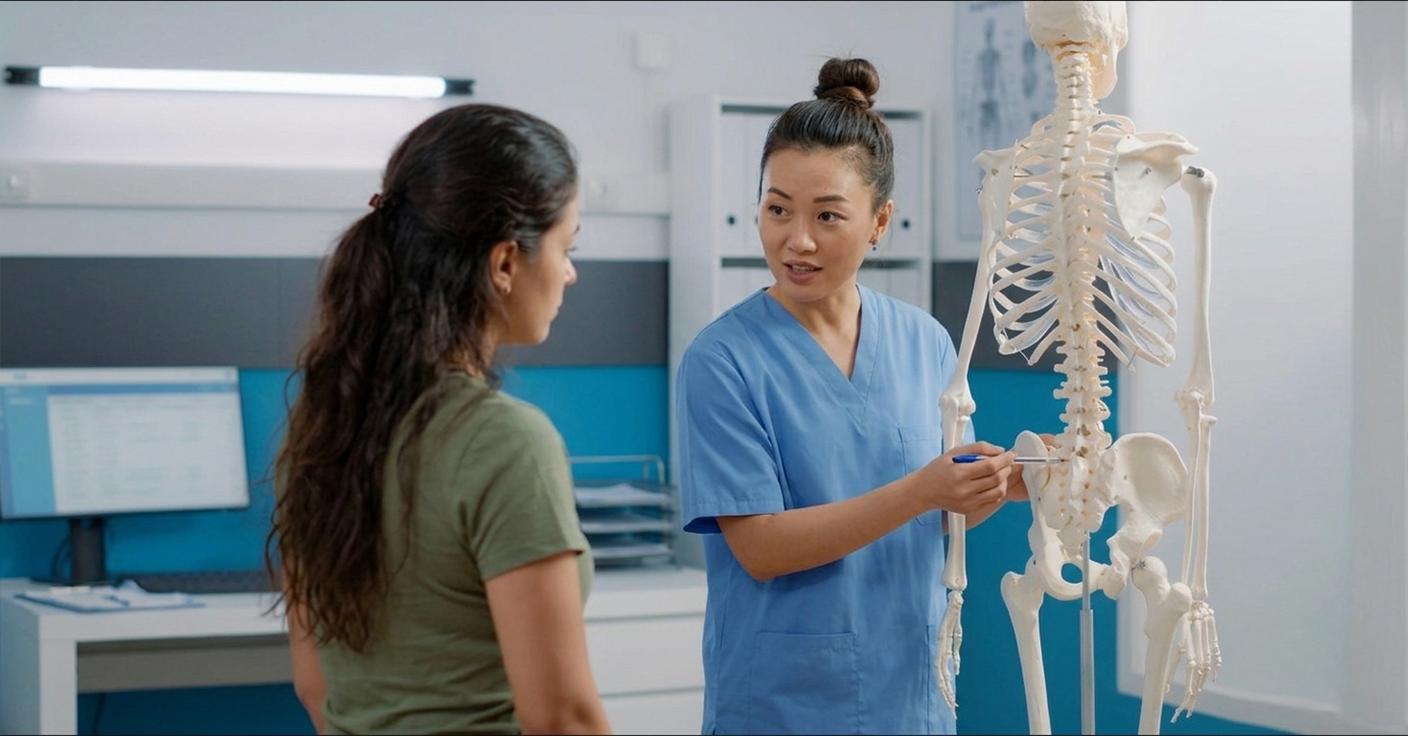
Back pain rarely announces itself as serious. It lingers. A little stiffness in the morning, a dull pull after sitting too long. Then one day, it starts interfering with sleep, with work, with how you move through the day. We see this pattern often. And when basic treatments stop helping, the conversation shifts toward surgery.

That’s usually where hesitation begins. Not because surgery is unfamiliar, but because the information around it often feels either too clinical or too vague. Most people aren’t just asking what the procedure is. They want to understand outcomes, risks, and, yes, the cost of spine surgery, especially when considering a spine hospital in Bangalore.

This guide breaks that down without overcomplicating it.


What Does Back Surgery Really Mean and When Is It Considered?

Back surgery isn’t a starting point. It’s typically the last step after medication, physiotherapy, and lifestyle adjustments haven’t delivered relief.

The goal is straightforward: relieve nerve pressure, stabilise the spine, or correct structural issues that won’t resolve on their own.

In practice, it’s usually recommended when pain persists for months, mobility declines noticeably, or nerve compression begins to affect strength or sensation. Imaging, like MRI or CT scans, often confirms what the body has already been signalling.

A good specialist doesn’t rush this decision. They rule out every non-surgical path first.


The Surgeries You’ll Hear About Most Often

Microdiscectomy: Small Correction, Noticeable Relief

Often performed in cases of “slipped disc,” this procedure removes the portion of a herniated disc pressing on a nerve. It’s precise. The incision is small, and the surrounding tissues are largely left undisturbed.

Patients dealing with radiating leg pain, classic nerve compression, tend to respond well here. Recovery is relatively quicker, but it still requires discipline post-surgery.

Laminectomy: Making Space Where It’s Missing


This one is more about getting better than fixing things.

The surgeon makes room for the spinal cord and nerves by taking out part of the vertebra called the lamina. People often use it when they have spinal stenosis, which is when the spine narrows and causes constant pain or imbalance.

The change isn’t just for looks. It’s useful, and that’s often the most important thing.

Spinal Fusion: Choosing Stability Over Movement

Spinal fusion connects two or more vertebrae, limiting movement in that segment. Bone grafts and implants help stabilise the structure.

There’s a trade-off. You gain stability but lose some flexibility.

It’s typically advised in cases of instability, degenerative disc disease, fractures, or post-tumour reconstruction. For many, reducing painful movement actually improves overall function.

Cervical Bone Fusion (ACDF): When the Neck Needs Intervention

Cervical spine issues show up differently: neck pain, arm tingling, weakness.

ACDF (Anterior Cervical Discectomy and Fusion) removes the damaged disc and stabilises the area. It’s a widely accepted solution for long-term cervical spine stability, especially when nerve symptoms persist.

Disc Replacement Surgery: Keeping Movement Intact

Here, the damaged disc is replaced with an artificial disc rather than being fused.

The benefit is that clear motion is preserved. But not everyone qualifies. If the spine shows signs of instability, fusion is often the safer choice. Selection matters here more than preference.

Minimally Invasive Spine Surgery: Less Disruption, Different Recovery


This is where spine care has quietly evolved.

Smaller incisions. Advanced imaging. Minimal muscle disruption.

The outcome? Shorter hospital stays, reduced pain after surgery, and a quicker return to routine life in many cases. When appropriate, it significantly changes the recovery experience.


What Actually Drives Spine Surgery Cost?

There isn’t a fixed number, and that’s where confusion usually starts.

Costs depend on the type of surgery, the duration of the hospital stay, the technology used, and the rehabilitation needs. Infrastructure and specialist expertise also play a role.

In India, procedures are generally more cost-effective than global benchmarks, though there is variation.

One thing worth noting is that cost shouldn’t be viewed in isolation. It’s closely tied to safety protocols, surgical precision, and post-operative care.


How to Pick the Best Orthopaedic Doctor in Bangalore

Credentials are important, but they’re not the whole story.

What usually matters is how much experience the doctor has with the procedure, how consistently the patient does, and how clearly the doctor communicates. When a doctor talks about things instead of just giving you a prescription, it’s easier to make decisions and feel sure about them.


What a Spine Hospital in Bangalore Should Really Have

A good spine hospital does more than just surgery.

Diagnostics, surgery, pain management, and rehabilitation should work together to create a cohesive system. When these parts are in the right place, recovery is usually easier and more predictable.


How Bangalore Hospitals Approach Spine Care

At Bangalore Hospitals, the process is structured to reduce some of the uncertainty patients often feel.

They use minimally invasive and endoscopic techniques where appropriate, treat a wide range of spinal operation conditions, and integrate neurorehabilitation into recovery planning. Emergency spine care is also part of their system, which matters more than people expect.

What stands out is the continuity; patients aren’t left to navigate recovery alone. Follow-ups and therapy are built into the treatment journey.


Not Just Surgery—A Shift in Recovery Experience

Aspect

Traditional Spine Surgery

Minimally Invasive / Endoscopic

Incision

Larger

Small, targeted

Muscle Impact

Significant

Minimal

Hospital Stay

Longer

Shorter in many cases

Recovery Time

Extended

Often faster

Post-op Discomfort

Higher

Usually lower


Final Thoughts

Back surgery isn’t one-size-fits-all. And it shouldn’t be treated that way.

The right approach depends on diagnosis, severity, and what the patient needs long-term, not just what looks advanced on paper. What we’ve consistently seen is this: outcomes improve when patients understand their options clearly and have realistic expectations going in.

With experienced specialists and a coordinated system at Bangalore Hospitals, the process feels less fragmented. More structured. And when you’re dealing with something as critical as your spine, that kind of clarity matters more than anything else.


FAQ


What is the typical recovery time after spine surgery?

It varies. Minimally invasive procedures may take a few weeks, while fusion surgeries can require several months with physiotherapy.

Which conditions usually need cervical spine surgery?

Disc herniation, spinal stenosis, and nerve compression in the neck, especially when symptoms like arm pain or weakness persist.

How do I choose the best orthopaedic doctor in Bangalore?

Focus on experience in spine procedures, patient outcomes, and how clearly the doctor explains treatment options.

How to know when it’s time to visit a cardiologist

Most people associate heart problems with sudden emergencies, yet cardiac conditions often develop quietly over time. Occasional fatigue, mild chest discomfort, or shortness of breath are frequently dismissed as stress or ageing. However, these can be early indicators of underlying cardiovascular issues. Knowing when to consult a cardiologist can make a measurable difference to long-term heart health and quality of life.

At Bangalore Hospitals, the focus of cardiac care is on early diagnosis, thorough evaluation, and structured treatment planning. It’s important to understand that knowing when to seek help from a cardiologist isn’t about overreacting to minor symptoms; rather, it’s about responding wisely to consistent or worsening signs that call for professional attention.


Why Cardiac Health Should Never Be Ignored

The heart works continuously, adapting to physical activity, stress, and metabolic demands. Even minor disruptions in its function can have widespread effects on circulation and organ health. Consulting a qualified doctor of heart specialist allows potential problems to be identified before they progress into serious conditions.

Bangalore Hospitals provides structured cardiology services designed to manage both preventive care and complex cardiac conditions under one integrated clinical framework.


Early Warning Signs That Require a Cardiologist’s Attention

Certain symptoms should never be ignored, especially when they appear repeatedly or increase in intensity. A consultation with a cardiovascular doctor is recommended if you experience:

  • Persistent chest pain or pressure

  • Shortness of breath during routine activities

  • Unexplained fatigue or weakness

  • Palpitations or irregular heartbeat

  • Dizziness or fainting

These signs may indicate coronary artery disease, rhythm disturbances, or early heart failure and should be evaluated by a heart specialist without delay.


Chronic Conditions That Need Ongoing Cardiac Care

Individuals diagnosed with diabetes, hypertension, high cholesterol, or obesity are at a higher risk of developing heart disease. Regular follow-ups with a cardiologist help monitor cardiac performance and prevent complications.

At Bangalore Hospitals, cardiology care is structured to support long-term management plans rather than one-time consultations, ensuring continuity and consistency in treatment.


When Lifestyle Risks Make a Visit Essential

Passive habits, smoking, excessive alcohol consumption, and prolonged stress significantly increase cardiac risk. Even in the absence of symptoms, consulting the best heart specialist can help assess cardiovascular risk and guide preventive strategies.

A timely evaluation by the best heart doctor is particularly important for individuals with a family history of heart disease.


What a Cardiologist Evaluation Typically Involves

A cardiology consultation at Bangalore Hospitals generally includes:

  • Detailed medical history assessment

  • Physical examination

  • Diagnostic tests such as an ECG or echocardiography

  • Risk profiling and treatment planning

This systematic approach ensures accurate diagnosis and personalised care from an experienced cardiologist.


Why Choosing the Right Cardiac Health Care Centre Matters

Having access to comprehensive cardiac services all in one place leads to improved patient outcomes. Bangalore Hospitals is recognised as one of the best heart care facilities in Bangalore, with renowned doctors such as Dr C.N. Manjunath, Dr Raghu T.R., and Dr Nischal N. Hegde. With state-of-the-art diagnostics, exceptional clinical expertise, and multidisciplinary support, patients receive top-notch care.


Common Heart Conditions Managed by Specialists

A congestive heart failure specialist and cardiology team typically manage conditions such as:

  • Coronary artery disease

  • Heart rhythm disorders

  • Heart valve abnormalities

  • Congestive heart failure

  • Hypertensive heart disease

Early specialist intervention significantly improves symptom control and long-term prognosis.


Cardiac Symptoms and Recommended Action

Symptom

Recommended Action

Chest discomfort

Immediate cardiologist consultation

Breathlessness

Cardiac evaluation advised

Irregular heartbeat

Diagnostic testing required

Swelling in the legs

Assessment for heart failure

Fatigue without cause

Cardiology review recommended


Conclusion

Knowing when to visit a cardiologist is an essential part of responsible health management. Delaying evaluation can allow manageable conditions to progress into complex cardiac issues. At Bangalore Hospital, cardiology care is designed around early detection, clinical accuracy, and patient-centred treatment.

Choosing the best heart doctor and a well-equipped cardiac health care centre ensures that symptoms are addressed promptly and risks are minimised. Just as strategic planning supports long-term success in industries such as energy infrastructure, proactive cardiac care safeguards long-term heart health. Deciding to consult a heart specialist at the right time is a decisive step toward sustained well-being.


FAQ


1. When should I consult a cardiologist for the first time?
If you experience recurring chest pain, breathlessness, or have risk factors like hypertension or diabetes, an early consultation with a cardiologist is recommended.


2. Do I need symptoms to visit a heart specialist?
No. Preventive consultations are advisable, especially for individuals with a family history of heart disease.


3. Why is Bangalore Hospitals considered a leading heart care centre?
Bangalore Hospitals offers integrated cardiology services with experienced specialists, advanced diagnostics, and structured care protocols.

Spine surgery recovery tips that actually work

For people who have chronic pain, nerve problems, or trouble moving, spine surgery can be a big step forward. The surgery fixes the main problem, but the recovery is what gets you back to your old self in terms of strength, movement, and quality of life. Some people think that healing happens on its own, but it takes careful planning, hard work, and help from your medical team to get better after spine surgery.

At a spine specialist hospital in Bangalore, like Bangalore Hospitals, they start planning your recovery at the same time as your surgery, not after. Following the right steps to recover can make a big difference, whether you have orthopaedic and spine surgery, cervical bone fusion, or lower spine surgery. If you know what helps you heal, you can avoid problems and get back to your normal activities safely and with confidence.


Understanding Spine Surgery and the Recovery Process

Spine surgery addresses conditions affecting the spinal column, discs, nerves, or spinal cord. Depending on diagnosis, procedures may range from decompression and stabilization to fusion-based surgeries. Recovery timelines vary based on the type of surgery, patient health, and adherence to medical advice.

A team of skilled spinal surgeons at Bangalore Hospitals, including Dr. Abhishek Mannem, Dr. Prajwal GS, and Dr. Avinash Alva, helps patients through surgery and recovery. They carefully plan and monitor every step to make sure your spine stays stable and your nerves stay safe.


Follow Your Surgeon’s Post-Operative Protocol Precisely

One of the best ways to recover well is to follow your surgeon’s instructions closely. These guidelines are made for your specific surgery and spinal condition.

Key aspects include:

  • Activity restrictions during the initial healing phase

  • Use of braces or supports is recommended

  • Scheduled follow-up consultations and imaging

  • Gradual reintroduction of daily movements

Patients at top spine surgery hospitals in Bangalore follow recovery plans that prioritize safety and long-term spine health.


Pain Management and Medication Compliance

Some pain after surgery is normal, but if it isn’t managed, it can slow down your recovery. Medicines given after spine surgery help with swelling, nerve pain, and sore muscles.


Important recovery tips include:

  • Taking medications exactly as prescribed

  • Avoiding self-adjustment of dosage

  • Reporting persistent or worsening pain promptly

Managing pain well helps you move sooner, sleep better, and recover faster, especially after more complicated spine surgeries.


Movement, Mobility, and Physiotherapy After Spine Surgery

Moving with guidance early on is important for recovery. While you might need to rest at first, staying still for too long can slow down healing.

Physiotherapy after spine surgery focuses on:

  • Restoring controlled movement

  • Strengthening supporting muscles

  • Improving posture and spinal alignment

  • Preventing stiffness and muscle weakness

At Bangalore Hospitals, rehab plans are tailored to each type of surgery to help you move without risking your surgery.

Things to think about when recovering from cervical and lower spine surgery


The part of your spine that was treated will determine how you heal.

  • During the early stages of recovery from cervical bone fusion, it is important to focus on keeping the neck stable, correcting posture, and limiting head movements. Patients might be told to use a cervical support and not to move suddenly.

  • Lower spine operation recovery focuses on core strength, safe bending techniques, and gradual weight-bearing activities. Sitting posture and movement mechanics are especially important to protect the surgical site.

Specialists ensure your recovery aligns with the needs of the part of your spine that was treated.


Recovery Milestones After Spine Surgery

Recovery Phase

Focus Area

Typical Guidance

Immediate Post-Surgery

Pain control and wound care

Hospital monitoring and medication

Early Recovery

Controlled mobility

Assisted movement and physiotherapy

Intermediate Phase

Strength and flexibility

Supervised rehabilitation exercises

Long-Term Recovery

Functional independence

Gradual return to daily activities


Changes to your diet, sleep, and daily life that help you heal

You need to eat well and get enough sleep to recover from spine surgery. Eating a healthy diet helps your body heal, and getting enough sleep helps you heal after surgery.

Most of the time, doctors tell patients to:

  • Keep your sleep schedule the same
  • Drink a lot of water
  • During recovery, don’t drink or smoke.
  • Follow the activity guidelines without rushing ahead.

These steps, along with your medical care, lower the chance of complications or slow healing after surgery.


Things You Should Never Ignore While You Recover

It’s normal to feel some pain, but some symptoms mean you need to see a doctor right away. Tell your spinal cord specialist if you are recovering from any of the following:

  • More and more numbness or weakness
  • Loss of bowel or bladder control
  • Signs of infection close to the surgery site
  • Severe or constant pain

If you get checked out quickly, your doctors can act quickly and protect your nerves.


How to Pick the Best Care Team for Your Spine Health Long-Term

You aren’t done getting better just because the pain goes away. Seeing your doctor regularly, going to rehab, and making healthy lifestyle changes can help keep your spine healthy for a long time. Bangalore Hospitals has a team of experts who can help you with every step of spine care, from diagnosis to recovery.


Conclusion

Good results from spine surgery depend on both the surgery and your recovery. Following proven recovery steps, staying in touch with your doctors, and giving your body time to heal are all key to long-term spine health.

At Bangalore Hospitals, experienced doctors guide your recovery with clear rehab plans. Whether you had orthopaedic & spine surgery, cervical bone fusion, or lower spine surgery, you get care that puts your safety and movement first.

Choosing the best hospital for spine surgery in Bangalore ensures that recovery is not left to chance but is built on clinical expertise, patient education, and consistent medical support.


FAQ

1. How long does recovery take after spine surgery?
Recovery duration depends on the type of surgery and individual health factors. Your spine specialist will outline a personalised recovery timeline.

2. Is physiotherapy mandatory after spine surgery?
Yes, physiotherapy is a critical component of recovery and helps restore strength, mobility, and spinal stability.

3. When should I consult a spinal cord specialist during recovery?
Any new neurological symptoms, severe pain, or delayed improvement should be evaluated promptly by a spinal cord specialist.

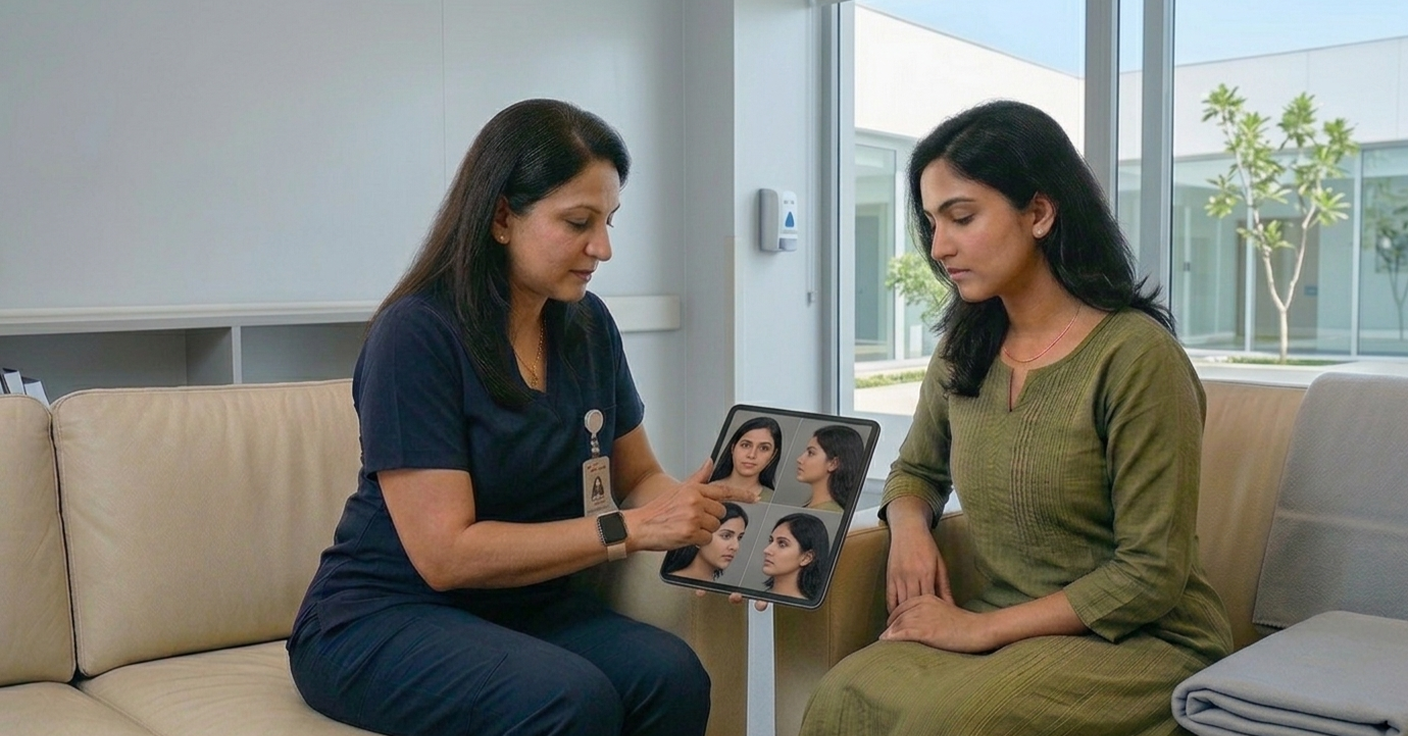
How Technology Is Transforming Plastic Surgery Outcomes

Concerns about safety, recovery time, and whether the results will look natural tend to linger with patients long after the first consultation. In a city like Bangalore, where cosmetic procedures are widely available, the decision is rarely about access. It is about confidence in the process.

We’ve noticed that most patients today are not just asking what procedure is required. They are asking how it will be planned, how precisely it will be performed, and how outcomes will be tracked over time. This is where plastic surgery technology has started to shape decisions in a more grounded way.

At Bangalore Hospitals, these questions are not treated as secondary. They form the basis of how treatment pathways are explained, reviewed, and executed.


Where Plastic Surgery Technology Changes The Process

Technology now sits at every stage of treatment. Consultation, planning, surgery, and recovery are all influenced by digital systems and precision tools.

The shift is subtle. Surgeons still rely on experience, but they no longer rely solely on estimation. Computer-assisted planning, imaging systems, and refined instruments reduce variation. That consistency directly impacts plastic surgery outcomes.

Patients often notice this during consultations. The conversation becomes more specific. Expectations are clearer. There is less ambiguity.


Planning With Greater Accuracy Before Surgery

How Imaging Has Replaced Assumptions

Pre-surgical imaging has altered how procedures are prepared. High-resolution scans and 3D visualisation allow surgeons to examine structural details before making decisions.

Tissue depth can be assessed with more clarity. Anatomical variations are easier to identify. Incision placement can be mapped with intent rather than adjustment during surgery.

This reduces the margin of guesswork. Not entirely, but enough to improve predictability in advanced cosmetic surgery.


The Shift Towards Controlled Interventions

Minimally Invasive Surgery And Its Role

There has been a steady shift toward minimally invasive cosmetic procedures. The approach is straightforward. Reduce disruption, improve recovery.

Endoscopic methods, laser-assisted treatments, and small-incision techniques rely on specialised tools and imaging support. These approaches limit visible scarring and shorten recovery timelines in many cases.

They are not universally applicable. Some procedures still require traditional methods. But where suitable, minimally invasive surgery has become an important component of advanced cosmetic surgery.


Surgical Innovations That Refine Outcomes

What Has Quietly Evolved

A large part of progress in cosmetic care comes from surgical innovations that are not immediately visible to patients.

Energy-based systems are now used for skin tightening. Fat grafting techniques have become more controlled. Micro-instrumentation enables more precise changes during procedures. The materials used for implants are now more compatible and last longer.

Robotic-assisted tools are also used in some procedures.

These changes help make the results of plastic surgery more stable. Not big changes, but steady progress in all cases.


Safety Through Modern Surgical Techniques

Where Systems Reduce Risk

The use of modern surgical techniques has strengthened safety practices across cosmetic procedures.

Monitoring systems track patient vitals continuously during surgery. Precision tools reduce unnecessary operating time in certain cases. Sterilisation processes are structured and less dependent on manual variability.

Digital medical records support consistency across departments. When multiple teams are involved, this continuity becomes critical.

Safety, in this context, is not a single protocol. It is a system working without gaps.


Measuring Plastic Surgery Outcomes With More Clarity

Outcome evaluation has moved beyond visual assessment.

Digital photography, software-based analysis, and structured follow-up systems allow surgeons to track symmetry, contour, and healing progression over time. These tools help identify patterns that may not be immediately visible.

Changes to follow-up care become more specific. Planning for the future is easier with recorded data than with memory.

This change has made it easier to measure the outcomes of plastic surgery, even when they aren’t fully quantifiable.


How Bangalore Hospitals Use Technology in Patient Care

Bangalore Hospitals uses technology as part of a structured care pathway instead of on its own.

Imaging and diagnostics are used at the beginning of the consultation phase. There are set rules for planning surgery. When choosing between minimally invasive and endoscopic options, suitability is more important than preference.

Operating rooms are always ready to handle advanced cosmetic surgery procedures. Post-operative monitoring continues through scheduled follow-ups and outpatient care systems.

Rehabilitation is aligned with surgical planning from the beginning. That continuity reduces gaps during recovery.


Recovery In A More Connected System

Digital Support During Healing

Recovery has extended beyond hospital visits.

Teleconsultations allow doctors to assess healing progress without delay. Electronic records maintain continuity across appointments. Patients receive structured guidance through reminders and follow-up systems.

This does not replace an in-person evaluation. But it reduces uncertainty during early recovery, where most patient concerns arise.

Consistency during this phase often influences overall satisfaction more than the procedure itself.


Final Thoughts

Plastic surgery has not become simpler. It has become more structured and more deliberate.

Technology has introduced consistency where variability once existed. It has improved planning, refined execution, and made follow-up more connected. The result is not perfection, but a more predictable pathway.

In Bangalore, where patient expectations continue to evolve, this shift is shaping decision-making.

At Bangalore Hospitals, the focus remains on integrating these systems without overcomplicating care. The aim is steady outcomes, supported by clear processes.

That balance tends to matter more than any single technology.


FAQs


How does plastic surgery technology improve results?

It supports accurate planning, precise execution, and structured monitoring, leading to more consistent plastic surgery outcomes.

Are minimally invasive procedures suitable for every treatment?

No. Minimally invasive surgery depends on the procedure type and individual condition. Not all cases qualify.

What should patients ask before choosing a technology-based procedure?

Ask about imaging methods, surgical techniques, recovery monitoring, and how outcomes will be evaluated over time.

How Endoscopic Spine Surgery Is Transforming Patient Outcomes

Back or neck pain doesn’t usually arrive loudly. It builds. A missed stretch here, a restless night there, until every day movement starts feeling like effort. Many people looking for a spine specialist hospital in Bangalore aren’t just seeking treatment; they’re hoping for something that doesn’t put their lives on pause. That’s where endoscopic orthopaedic & spine surgery has started to shift expectations. It’s not dramatic on the outside. No large incisions, no long hospital stays in many cases. But internally, the difference is significant. At Bangalore Hospitals, this approach is supported by experienced specialists and structured recovery systems, which makes the entire process feel less overwhelming for patients walking in with uncertainty.


What Makes Endoscopic Spine Surgery Feel Different?

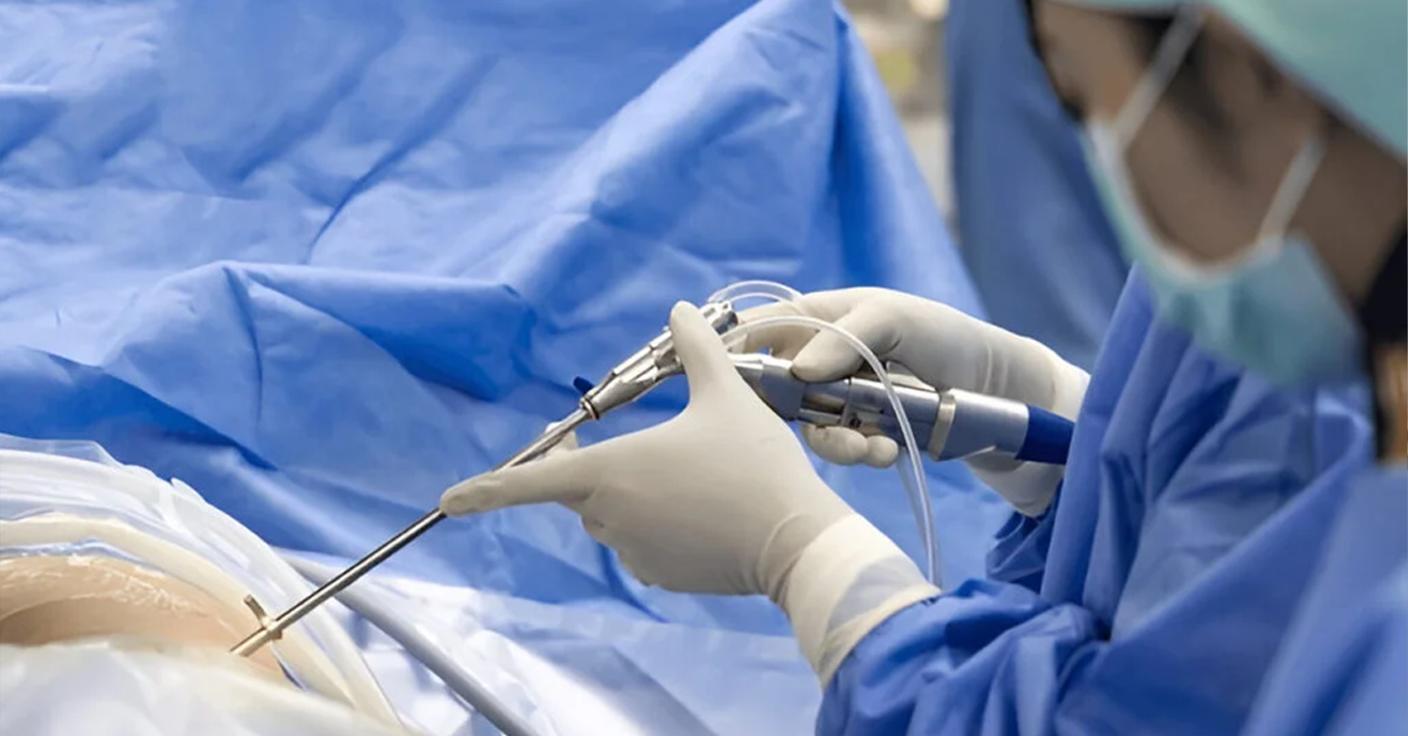
Endoscopic spine surgery uses a thin tube with a camera. That’s the technical explanation. But what it really changes is how much of your body needs to be disturbed to fix one problem. Instead of opening up a large area, surgeons work through a small incision, focusing only on where it matters. You’re not dealing with unnecessary muscle disruption. Recovery, naturally, tends to feel lighter. Not effortless but more manageable.


Why Traditional Spine Surgery Isn’t Always the First Choice Now

There was a time when spine surgery meant preparing for a long recovery. Larger cuts, more healing time, more caution afterwards. Endoscopic methods take a different route. Smaller openings. Less blood loss. Shorter hospital stays. Most importantly, people often find themselves getting back to routine faster than they expected. That shift alone is why this technique is being discussed more often in orthopedic & spine surgery today.


Where Endoscopic Spine Surgery Actually Helps

It’s not a blanket solution. And that’s important to say upfront. But for conditions like herniated discs, nerve compression, spinal stenosis, and certain chronic lower back issues, it fits well, especially in early to moderate stages. In many lumbar spine cases, particularly those involving sciatica, endoscopic procedures are already becoming a preferred approach when clinically appropriate.


Cervical vs Lumbar: Two Very Different Conversations


Cervical Spine Care

The neck is a delicate territory. In some cases, endoscopic decompression can relieve nerve compression without the need for more extensive procedures. But when there’s instability or advanced degeneration, traditional methods like fusion are still necessary.

Lumbar Spine Care

The lower back is where endoscopic techniques have found a stronger foothold. Disc-related issues here respond well, and patients often notice the difference during recovery, less stiffness, more mobility, sooner than expected.


What Patients Usually Notice First

It’s not technology. It’s how they feel afterwards. Less visible scarring. Lower levels of post-operative discomfort. Reduced reliance on strong pain medication. And a quicker return to everyday routines, work, walking, and even sitting comfortably. These are small wins individually, but together, they change the recovery experience.


Why Specialist Experience Still Matters More Than Technology

Even with advanced tools, spine surgery is still about precision around sensitive nerve structures. That doesn’t change. Endoscopic systems offer magnified visuals, which help. But outcomes still depend heavily on the surgeon’s experience and judgement. Some conditions will still require conventional surgery. Knowing when not to use a minimally invasive method is just as important as knowing when to use it.


Understanding Spinal Cord Operation Cost Without Overthinking It

Costs vary. There’s no single number that fits every case. It depends on the complexity of the condition, the technology involved, the surgeon’s expertise, and the duration of recovery support needed. Endoscopic surgery does involve advanced equipment, but shorter hospital stays and faster recovery sometimes balance the overall expense in ways people don’t initially expect.


Choosing the Best Hospital for Spine Surgery in Bangalore

This decision usually comes down to trust, not just infrastructure. You’re looking for a place that has the equipment, yes, but also a team that works together. Diagnosis, surgery, rehabilitation, follow-up. It should feel connected, not fragmented.


How Bangalore Hospitals Approach Spine Care

At Bangalore Hospitals, the focus isn’t just on performing the procedure. It’s on what happens before and after. They handle disc-related conditions, nerve compression, and spine injuries using minimally invasive techniques where suitable. What stands out is that the integration of neurorehabilitation, physiotherapy, and structured follow-ups is built into the process rather than added as an afterthought. Patients aren’t left figuring out recovery on their own. There’s a system guiding them through it.


A Quick Look: Traditional vs Endoscopic Spine Surgery

Aspect

Traditional Spine Surgery

Endoscopic Spine Surgery

Incision Size

Larger

Small, targeted

Muscle Impact

More disruption

Minimal disruption

Hospital Stay

Longer

Usually shorter

Recovery Time

Extended

Often quicker

Pain Levels

Higher post-op discomfort

Generally lower


Final Thoughts

Endoscopic spine surgery hasn’t replaced traditional methods, and it shouldn’t. But it has introduced a more measured, less disruptive way of treating specific spinal conditions. For many patients, that difference shows up not in the operating room, but in the weeks that follow. Moving a little easier, sleeping a little better, and getting back to normal without feeling like recovery has taken over their life. With a structured orthopaedic & spine surgery care approach at Bangalore Hospitals, the experience feels less clinical and more guided. And when you’re dealing with something as sensitive as the spine, that kind of clarity matters.


FAQ


Who is a suitable candidate for endoscopic spine surgery?

Patients with disc herniation, nerve compression, or early degenerative changes may be considered, depending on clinical evaluation.

How long does recovery usually take?

Many people return to light activity within a few weeks, though full recovery depends on the condition and rehabilitation.

Is endoscopic surgery suitable for all spine problems?

No. More complex conditions like severe instability or advanced degeneration may still require traditional surgical approaches.

Understanding Common Medical Tests (And Why They Matter)

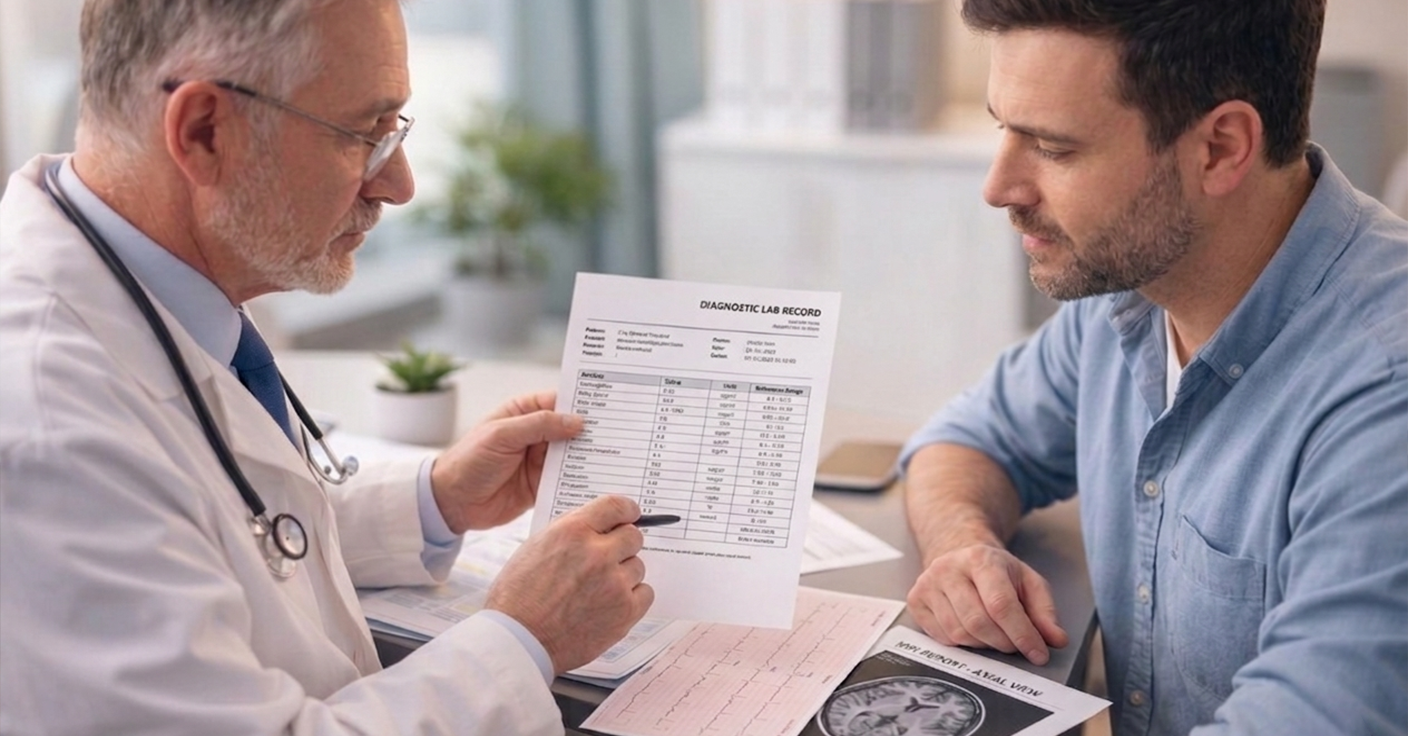
Health concerns do not always present themselves clearly. In many cases, there is no obvious signal until the condition has progressed. That is usually when people begin looking into common medical tests, not out of routine, but out of uncertainty. In a city like Bangalore, access to diagnostics is not the challenge. Understanding what those tests indicate is.

We’ve seen that hesitation often comes from confusion rather than avoidance. Reports feel technical. Numbers lack context. At Bangalore Hospitals, most consultations around testing begin with interpretation, not prescription. Once people understand what is being measured and why, the process becomes easier to accept.


What Are Common Medical Tests Actually Checking?

Most common medical tests are designed to evaluate how the body is functioning at a given point in time. They do not always diagnose a condition immediately. Instead, they indicate patterns.

These tests may involve blood samples, imaging scans, or urine analysis. Each serves a different purpose. When reviewed together, they help doctors identify irregularities, monitor ongoing conditions, and assess how well treatments are working.

The value lies in correlation. A single report rarely tells the full story.


Why Blood Tests Are Usually The Starting Point

 What Blood Tests Reveal In Routine Screening 

Among all investigations, blood tests are the most widely used. They provide measurable data across multiple systems in the body.

Doctors rely on blood tests to evaluate blood sugar levels, cholesterol balance, liver and kidney function, haemoglobin levels, and markers of infection. Hormonal levels can also be assessed through specific panels.

The reason they are used frequently is simple. They are easy to get, fairly quick, and can show early changes in health.

That being said, blood tests alone don’t give a clear answer. They often help decide if more tests are needed.


When Diagnostic Tests Are Needed

Going Beyond Basic Screening

When symptoms don’t resolve or initial reports indicate problems, diagnostic tests are performed to obtain a clearer picture of the situation.

X-rays and CT scans are often used to examine bones and other internal structures. MRI scans give you a better look at soft tissues and joints. People often use ultrasound to check their stomachs and monitor their pregnancies.

Cardiac assessments may involve ECG or echocardiography. Endoscopy is used to examine the digestive tract when required.

Doctors select these diagnostic tests based on symptoms, medical history, and clinical judgement. There is no fixed sequence that applies to every patient.


Why Health Checkups Are Not Just Routine

Understanding Health Checkup Importance In Practice

The importance of health checkups becomes clearer when looking at how many conditions develop gradually.

Diabetes, fluctuations in blood pressure, thyroid dysfunctions, and specific cardiac conditions may not exhibit initial symptoms. By the time signs show up, it may be harder to help.

Regular screening helps identify these risks early. It lets you change your treatment or lifestyle before problems arise.

This is where preventive health care starts to have an effect. Not in treating illness, but in identifying it early enough to manage it effectively.


Lab Tests Explained Without The Confusion

Reading Reports Without Overreaction

When reports are handed over, the immediate reaction is often concern over numbers that fall slightly outside the reference range.

This is where lab tests explained in context become important.

Reference ranges indicate typical values, not absolute thresholds. Minor variations may not indicate disease. Results need to be interpreted alongside symptoms, medical history, and previous reports.

Patterns over time are often more significant than a single reading.

A doctor’s interpretation connects these elements. Without that, reports can be misleading.


Preventive Healthcare And Long-Term Stability

Preventive healthcare has gradually become a more consistent part of clinical practice.

Regular screening allows early detection of conditions that might otherwise remain unnoticed. It supports better risk factor management and often reduces the need for more complex interventions later.

This approach does not eliminate health risks. But it helps manage them in a controlled way.

Preventive healthcare also reduces uncertainty. Patients who monitor their health regularly tend to respond earlier to changes.


How Bangalore Hospitals Approach Diagnostic Care

At Bangalore Hospitals, diagnostic services are structured to work alongside clinical consultation rather than operate independently.

Laboratory testing, imaging services, and specialist consultations are aligned within the same system. Reports are reviewed in context, not in isolation.

Preventive screening programmes are integrated into routine care. Follow-up services ensure continuity rather than a one-time evaluation.

This approach reduces fragmentation. It also improves the speed at which decisions can be made once results are available.


Preparing For Tests Without Complications

What Makes Testing More Reliable

Preparation plays a role in test accuracy, though it is often overlooked.

Fasting may be required before certain blood tests, particularly those assessing glucose or lipid levels. Some medications may need to be paused, depending on the test.

Carrying previous reports helps identify trends. Informing doctors about existing conditions ensures that results are interpreted correctly.

These steps may seem minor, but they reduce the need for repeat testing and avoid delays.


A Practical Comparison Patients Often Overlook

How Testing Approaches Differ In Practice

Aspect

Unstructured Testing Approach

Integrated Diagnostic Approach

Test Selection

Based on immediate symptoms

Based on symptoms and medical history

Report Interpretation

Standalone

Linked with consultation

Follow-Up

Patient-driven

Scheduled and monitored

Continuity

Limited

Maintained across visits

Preventive Screening

Occasional

Systematically integrated

The difference is not always visible at the first visit. It becomes clearer over time.


Final Thoughts

Medical testing is not only a clinical procedure. It helps us learn how the body changes over time.

Every step, from simple blood tests to more complicated diagnostic tests, adds to the bigger picture. Finding tests is rarely the problem. It is understanding what they mean and when to do something.

In Bangalore, where access to healthcare is still growing, the need for structured, connected diagnostic care remains the same.

Bangalore hospitals have been working to ensure that testing, consultation, and follow-up are in sync. That consistency helps patients move forward with less confusion and more clarity.


FAQs 

How often should common medical tests be done?

It depends on age, health status, and risk factors. Annual screening is common, but some individuals may require more frequent testing.

Are blood tests enough for a full diagnosis?

No. Blood tests provide useful indicators, but additional diagnostic tests are often needed for complete evaluation.

Why is preventive healthcare important?

Preventive healthcare helps detect conditions early, allowing timely treatment and reducing long-term complications.